


UN Warns Intensifying El Niño Could Trigger Extreme Weather Worldwide
The CSR Journal Magazine

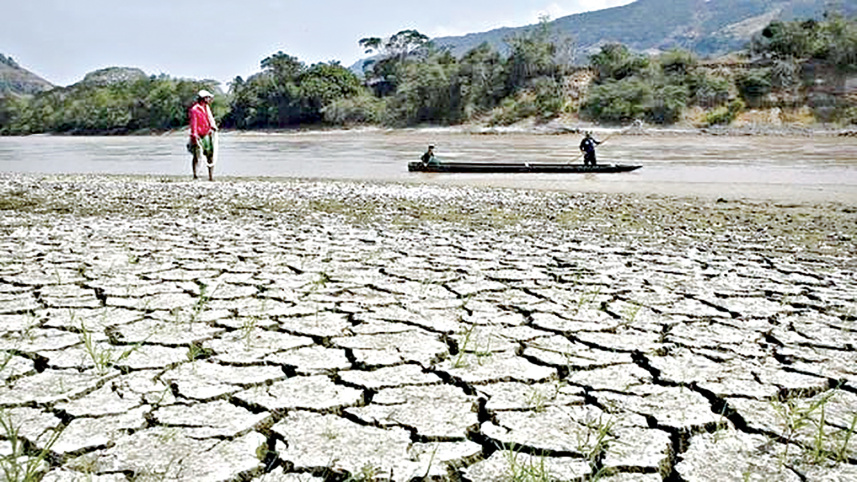
The United Nations’ World Meteorological Organization (WMO) has issued a warning to governments and humanitarian organisations regarding the potential for “extreme weather events.” These include heatwaves, droughts, and heavy rainfall exacerbated by the El Nino phenomenon. The WMO’s statement indicates that existing El Nino conditions are expected to strengthen rapidly from July to September.

WMO Secretary-General Celeste Saulo emphasised the urgency of the situation, noting that the forecasted intensification of El Nino will likely lead to increased occurrences of droughts and extreme rainfall, as well as heatwaves in various regions worldwide. This potential intensification necessitates immediate preparedness measures from global leaders and communities.

Activation of Support Services for Vulnerable Communities

In response to the anticipated effects of El Nino, the WMO has activated its climate information services and early warning systems. These measures aim to assist governments and humanitarian organisations in formulating support plans for farmers and at-risk communities. The WMO asserts that proactive seasonal forecasts and timely warnings are essential to mitigate loss of life and lessen the impact on economies.

Saulo pointed out that advanced preparations are crucial, stating, “Advanced seasonal forecasts and early warnings are vital to save lives and cushion the impact on our economies and our communities.” This proactive approach aims to manage the risks associated with the changing climate conditions due to El Nino.

Understanding El Nino and Its Global Impact

El Nino is a natural climate phenomenon that involves a rise in surface temperatures in the central and eastern equatorial Pacific Ocean. This warming leads to significant alterations in wind patterns, atmospheric pressure, and rainfall distribution across the globe. El Nino events tend to occur every two to seven years, generally lasting between nine and twelve months, although their effects are not uniformly experienced worldwide.

El Nino conditions alternate with La Nina, which represents its opposing phase, as part of the El Nino-Southern Oscillation (ENSO). Periods of neutral conditions can also occur between these extremes, creating a complex interplay of climatic variations that influence global weather patterns.

Recent reports have highlighted that global ocean temperatures reached a record high in June, a phenomenon partially attributed to El Nino’s influence. The last major El Nino occurrence contributed to 2023 becoming the second-hottest year recorded, while 2024 is projected to break previous temperature records, reaching approximately 1.55 degrees Celsius (2.79 degrees Fahrenheit) above the pre-industrial average of 1850-1900.

Long or Short, get news the way you like. No ads. No redirections. Download Newspin and Stay Alert, The CSR Journal Mobile app, for fast, crisp, clean updates!

App Store –  https://apps.apple.com/in/app/newspin/id6746449540 

Google Play Store – https://play.google.com/store/apps/details?id=com.inventifweb.newspin&pcampaignid=web_share

Latest News

Popular Videos
