


Trump’s Actions Impact Global Financial Markets, Says West Asia Expert
The CSR Journal Magazine

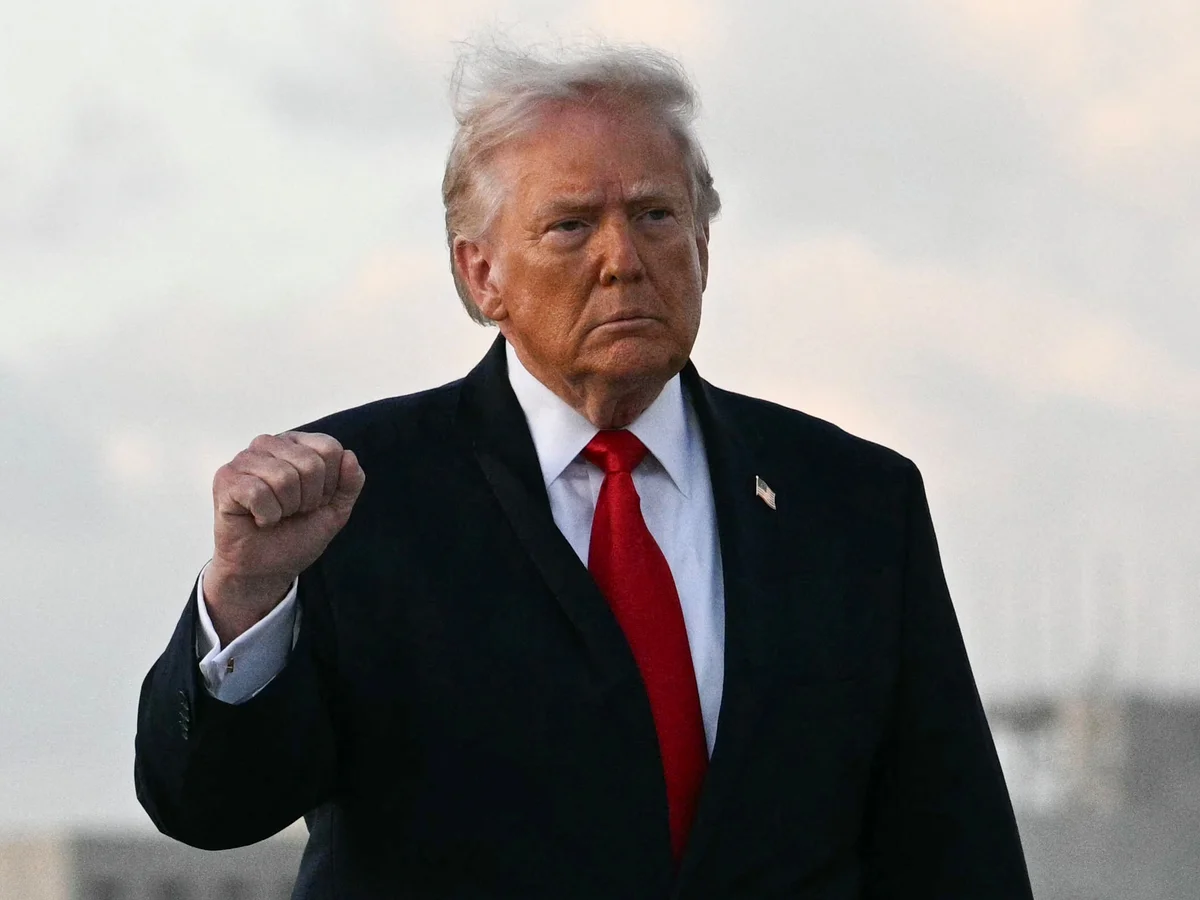
Waiel Awwad, a noted West Asia specialist, has observed that the actions of US President Donald Trump have led to significant fluctuations in the global financial arena. In an interview conducted on May 11, he articulated concerns regarding the resultant anxiety, particularly around oil and energy prices, which has resonated worldwide, including within the United States itself. Awwad emphasised that the ripple effect of Trump’s decisions is prompting unease in financial markets across the globe.

Uranium Enrichment and Regional Dynamics

Awwad elaborated that both Trump and Israeli Prime Minister Benjamin Netanyahu appear to be more focused on shaping international public opinion and addressing domestic audiences rather than genuinely tackling the complexities surrounding Iran’s uranium enrichment and nuclear ambitions. He pointed out that the real issues at play have been obscured by the discussions on enrichment levels, which were allegedly settled in prior negotiations. The expert highlighted the lack of substantial progress on these critical matters, noting that agreements made during the last Geneva meeting have not been translate into effective action.

The expert mentioned that Iran has set forth a clear demand for an end to hostilities from the US. In exchange, they are willing to reopen the Strait of Hormuz, a critical maritime route. Awwad believes that Trump’s dependence on Netanyahu is hindering a more independent US policy regarding Iran. This advisory relationship reportedly restricts strategic American decisions, as Netanyahu’s concerns about regional security predominantly shape US responses.

Discussing the negotiations further, Awwad asserted that the lifting of sanctions against Iran is a crucial part of achieving lasting peace. He stated that Iran has already signalled its readiness to facilitate the removal of uranium under certain conditions, but the onus lies with the USA to uphold its end of the agreement. This complex interplay between both nations highlights the urgency to reach a diplomatic resolution.

Consequences of Continued Conflict

A recent assessment by Awwad indicated the grave humanitarian consequences resulting from ongoing military actions. With over 15,000 civilian casualties reported in Iran, he expressed that the country is facing dire straits. Despite these hardships, Awwad firmly believes that Iran will not capitulate to American pressure. He framed the discussions around uranium enrichment as a façade, arguing that Iran is more focused on ending hostilities and securing international assurances to prevent future attacks.

Awwad’s statements came in the wake of remarks made by Netanyahu, who claimed that the military campaign against Iran remains necessary due to unresolved issues regarding nuclear material and proliferation. Awwad contended that such rhetoric serves to create a narrative that distracts from the real situations unfolding, notably the extensive destruction of Iranian infrastructure resulting from military actions.

In closing, Awwad underscored the need for the US to reassess its stance on Iran, especially advising Trump to reconsider the influences of advisors who stand to benefit politically from continued conflict. The expert’s insights raise critical questions about the broader implications for regional stability, as well as the interplay between military strategy and diplomatic engagement moving forward.

Long or Short, get news the way you like. No ads. No redirections. Download Newspin and Stay Alert, The CSR Journal Mobile app, for fast, crisp, clean updates!

App Store –  https://apps.apple.com/in/app/newspin/id6746449540 

Google Play Store – https://play.google.com/store/apps/details?id=com.inventifweb.newspin&pcampaignid=web_share

Latest News

Popular Videos
