


Trump Threatens Iran With ‘1000 Missiles’ Amid Gulf Escalation
The CSR Journal Magazine

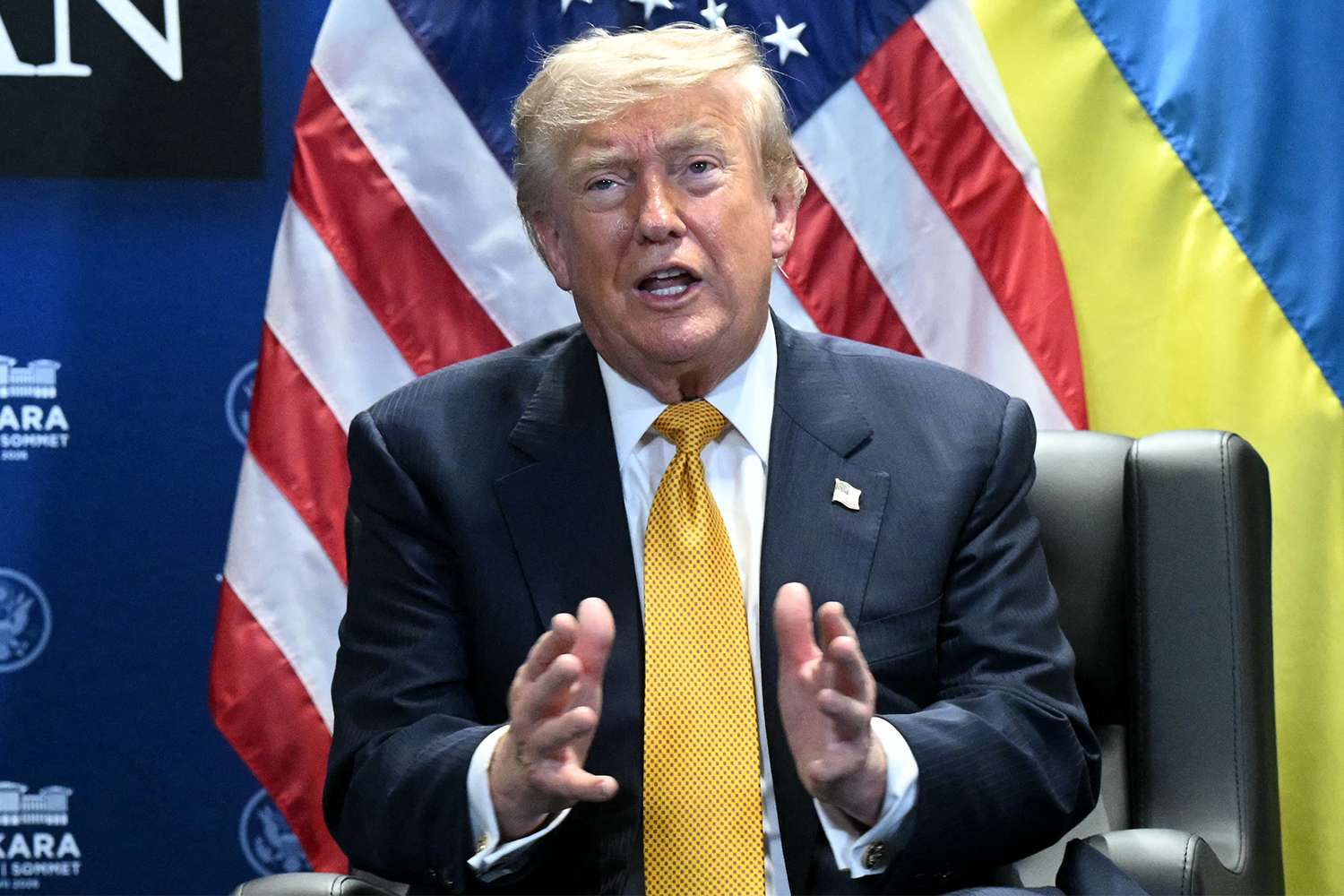
The recent tensions in the Gulf have escalated significantly following threats made by former US President Donald Trump against Iran. On social media, Trump claimed that Iran would face an overwhelming response from the United States, stating it could entail the launch of a thousand missiles. This statement is part of a broader exchange of aggressive rhetoric between the two nations, which has been intensifying in recent weeks.

This dramatic escalation comes on the heels of reported incidents involving Iranian vessels and US naval forces in the Arabian Gulf. The United States has increased its military presence in the region, and American officials have expressed concerns over Iran’s growing influence and military capabilities. In response, Iran’s leaders have issued counter-statements warning against any form of military escalation.

The clash of words has raised alarms globally, and military experts have indicated that such confrontations could lead to unforeseen consequences. Both nations are reportedly on heightened alert as the exchanges continue, marking a significant turn in their decades-long contentious relationship.

Impact on Regional Stability

The back-and-forth between Washington and Tehran may have profound implications for stability in the Middle East. Analysts suggest that the ongoing tensions could adversely affect oil markets, given that the Gulf is a critical transit route for global oil supply. Any disruption resulting from military clashes could potentially drive up prices and destabilise economies dependent on oil exports.

Furthermore, Middle Eastern countries observing this conflict are likely to recalibrate their diplomatic strategies. Nations with vested interests in maintaining peace, such as Saudi Arabia and the UAE, may feel pressured to respond or align themselves with one of the two sides. The increased military posturing could also lead to a surge in anti-US sentiments among Iranian allies within the region.

The prospect of a conflict raises concerns about broader ramifications, including impacts on international trade routes and stability in the surrounding areas. As the situation continues to unfold, regional stakeholders are advised to proceed with caution, aiming to mediate rather than exacerbate existing hostilities.

Responses from Global Leaders

The international community has been closely monitoring the exchanges and has urged restraint from both the US and Iran. World leaders have called for dialogue, emphasising the importance of diplomatic solutions in preventing military conflicts. Diplomatic channels remain crucial for easing tensions and returning to a more stable state within the Gulf region.

Various governments have expressed concerns over the possibility of military engagement escalating into a larger conflict, with some calling for an emergency meeting among the United Nations Security Council members to address the situation. Global organisations have reiterated their positions on the necessity of peace, urging both nations to step back from aggressive statements and focus on constructive dialogue.

The reactions from international players highlight the potential for widespread implications should hostilities intensify. While Trump continues to assert a tough stance, the response from Iran suggests that they are equally assertive in their strategic planning. Observers remain vigilant as both sides navigate the complexities of their long-standing rivalry amid shifting political landscapes.

Long or Short, get news the way you like. No ads. No redirections. Download Newspin and Stay Alert, The CSR Journal Mobile app, for fast, crisp, clean updates!

App Store –  https://apps.apple.com/in/app/newspin/id6746449540 

Google Play Store – https://play.google.com/store/apps/details?id=com.inventifweb.newspin&pcampaignid=web_share

Latest News

Popular Videos
