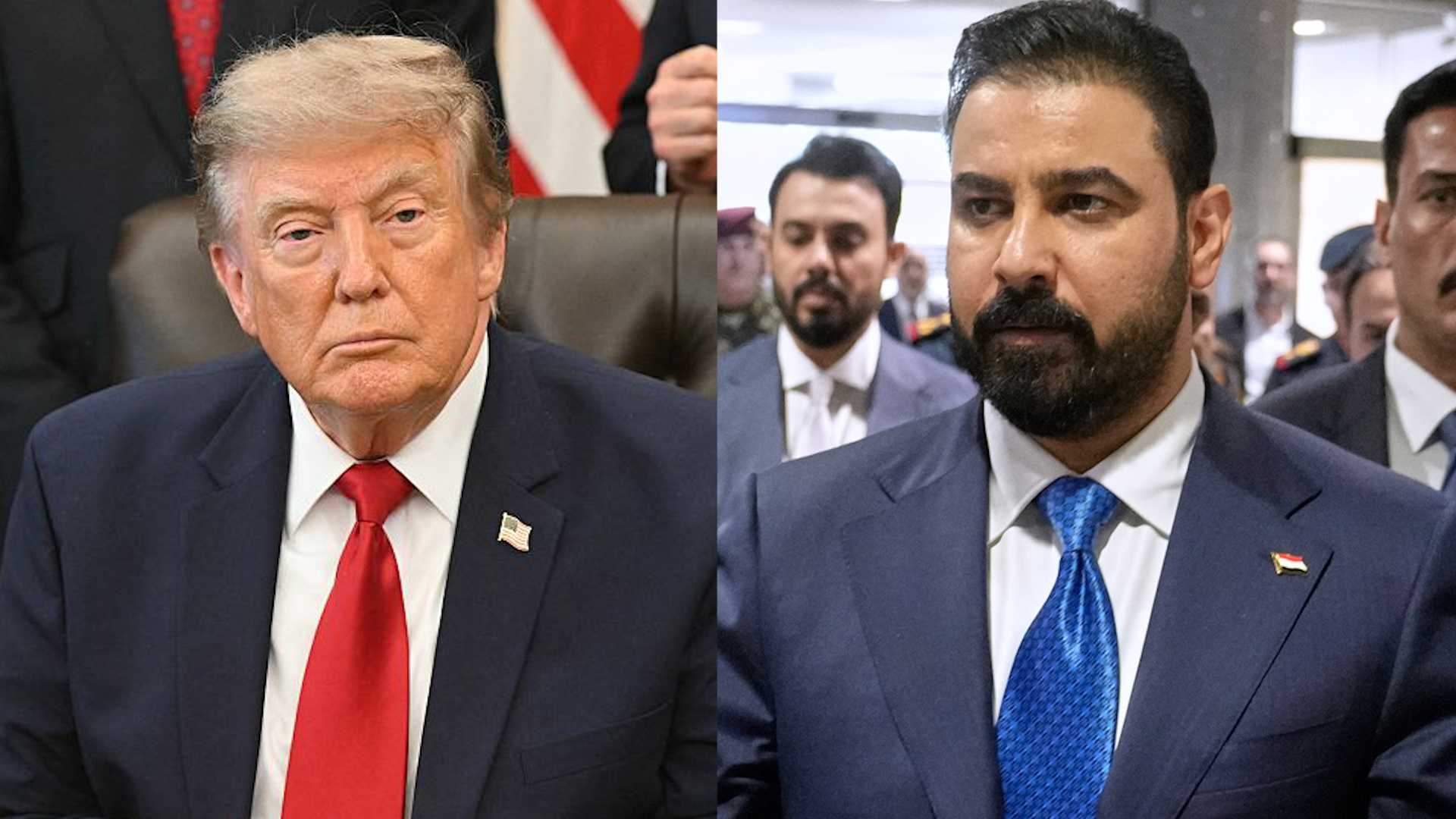
US President Donald Trump welcomed Iraq’s Prime Minister Ali al-Zaidi to the White House on 14 July 2026, signalling a significant development in US-Iraq relations. This meeting follows months of strong support from the Trump administration for al-Zaidi, who emerged as a consensus candidate after a lengthy standoff in Iraqi politics regarding the premiership. Al-Zaidi, noted for his lack of political experience, aims to address critical issues such as the disarmament of Iran-backed militias and the establishment of a substantial energy agreement.
Focus on Disarmament and Energy Deals
The discussions during the visit reportedly centre on Iraq’s commitment to disarming militias supported by Iran, a topic of increasing urgency given recent attacks on US facilities by these groups. The Iraqi government has set a deadline for non-state armed factions to disarm by the end of September, although some powerful militia leaders have indicated a reluctance to comply. Trump’s administration has expressed that the outcome of the meeting will be influenced by Iraq’s progress on this front.
Furthermore, both nations are positioned to finalise a significant energy agreement. Two Iraqi officials mentioned that an agreement is anticipated to be signed on Friday between Iraq, US companies Chevron and TI Capital, alongside Qatar’s UCC. This project involves constructing an oil pipeline that will connect Basra in southern Iraq to Haditha in the west, eventually linking to the Turkish port of Ceyhan and the Syrian port of Baniyas. The pipeline is expected to transport approximately 2 million barrels of oil daily.
Trump’s administration has historically shown a vested interest in the leadership dynamics of Iraq, particularly concerning the previous Prime Minister Nouri al-Maliki, whom they deemed too aligned with Tehran. The Trump administration’s opposition to al-Maliki included threats to withhold aid, suggesting that US support for Iraq’s success and freedom was contingent upon leadership that aligns more closely with US interests.
Al-Zaidi’s Challenges and Future Prospects
Experts have drawn parallels between al-Zaidi and Donald Trump due to his business-focused background, but some analysts caution that actual governance is more complex. Victoria Taylor of the Atlantic Council noted that while al-Zaidi is considered a political outsider and a successful businessman, he has been selected within the existing political framework of Iraq, which may limit his autonomy and effectiveness, particularly in tackling entrenched political corruption and militia influence.
Moreover, Renad Mansour from Chatham House indicated that significant pressure is expected from the US side for al-Zaidi to advance militia disarmament. He highlighted concerns that aggressive actions against these groups could provoke backlash, potentially destabilising the Iraqi government. This delicate balance between action and caution will likely define al-Zaidi’s approach during his discussions in Washington.
Since taking office, al-Zaidi has taken a firm stance against corruption, executing a series of raids that led to the arrest of numerous lawmakers and officials involved in corrupt practices. His administration’s focus on reform and accountability positions him favourably as he seeks to attract investment from the US to bolster Iraq’s infrastructure and energy sectors. The aim of al-Zaidi’s Washington visit is to strengthen partnerships that will benefit the economic landscape of Iraq moving forward.
Long or Short, get news the way you like. No ads. No redirections. Download Newspin and Stay Alert, The CSR Journal Mobile app, for fast, crisp, clean updates!