


Iraq Signs $60 Billion Energy Deals With US Firms Amid Hormuz Concerns
The CSR Journal Magazine

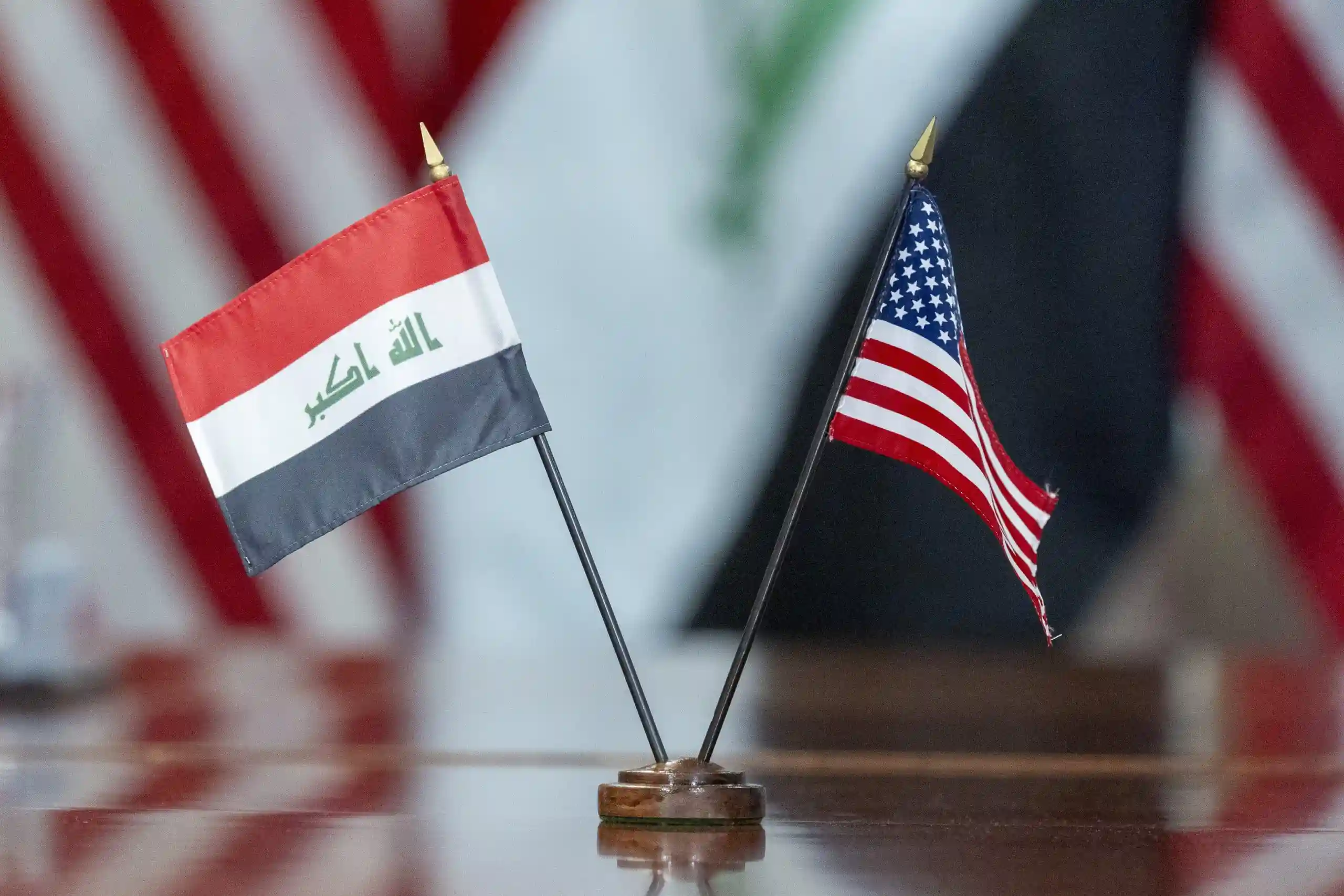
Iraq on Friday signed non-binding agreements and memorandums of understanding worth more than USD 60 billion with US companies, as Baghdad stepped up efforts to strengthen ties with Washington, expand its energy sector and develop alternative oil export routes that bypass the Strait of Hormuz.

The agreements, signed during a US-Iraq business summit at the US Chamber of Commerce, cover sectors including oil and gas, pipelines, healthcare and technology. Iraqi Prime Minister Ali al-Zaidi said the government was committed to an open investment policy as the country seeks to attract foreign businesses.

Iraq Promotes Open Investment Policy

Addressing the summit through a translator, Zaidi said Iraq welcomed investment from companies interested in developing projects in the country.

“We are using an open-door policy,” Zaidi said.

“Everybody who has a project can come and talk to us. We will not make it difficult for anyone,” he added.

The agreements come as Iraq seeks to deepen cooperation with the United States following heightened instability in the region caused by the US-Israeli war on Iran.

Tom Barrack, US President Donald Trump’s envoy to the region, said the conflict had created uncertainty but also positioned Iraq “at the forefront of a new strategic security alliance” with the United States and its partners.

Energy Companies Expand Iraq Operations

During his visit to the United States, Zaidi toured Chevron’s headquarters in Houston on Thursday before Iraqi officials signed agreements with the company to advance its potential entry into the West Qurna 2 and Nassiriya oilfields.

Jake Spiering, Chevron’s president of corporate business development, said the company planned to invest in a pipeline that would allow Iraqi oil exports to avoid the Strait of Hormuz by transporting crude to Syria’s Mediterranean coast.

Iraq’s oil exports have been disrupted by the conflict, with the partial closure of the Strait of Hormuz affecting one of the world’s busiest energy shipping routes through which around 20 per cent of global oil and gas typically flows.

Spiering also said Iraq had the long-term potential to become a regional energy trading hub comparable to the United States’ Henry Hub for natural gas and the Cushing oil hub.

BP and ConocoPhillips Announce New Investments

ConocoPhillips said it had agreed to acquire a 42 per cent stake in BP Energy of Kirkuk Ltd, joining BP in the redevelopment of four producing oilfields in northern Iraq.

BP Chief Executive Officer Meg O’Neill said Iraq offered “fantastic potential from a resource perspective” and that the partnerships would strengthen both Iraqi and global energy security. She noted that BP had been involved in the discovery of the Kirkuk oilfield in 1927.

ConocoPhillips Chief Executive Officer Ryan Lance said although the company lacked BP’s long history in Iraq, it had experience operating in challenging environments, including Alaska’s North Slope.

“We are anxious to bring our technology, our know-how, our people, and our capital to help the Iraqi people,” Lance said.

Zaidi Meets Trump During US Visit

Zaidi is on a five-day visit to the United States and met President Donald Trump at the White House on Tuesday.

Following the meeting, Trump said the United States would conclude several agreements with Iraq that would create jobs in both countries.

The latest agreements underscore Iraq’s efforts to attract international investment, strengthen energy infrastructure and diversify export routes as geopolitical tensions continue to affect traditional shipping corridors in the Middle East.

Long or Short, get news the way you like. No ads. No redirections. Download Newspin and Stay Alert, The CSR Journal Mobile app, for fast, crisp, clean updates!

App Store –  https://apps.apple.com/in/app/newspin/id6746449540 

Google Play Store – https://play.google.com/store/apps/details?id=com.inventifweb.newspin&pcampaignid=web_share

Latest News

Popular Videos
