


“They’re not going to be tolls”: Trump Dismisses Iran’s Possible Charges on Vessels in Strait of Hormuz

The CSR Journal Magazine

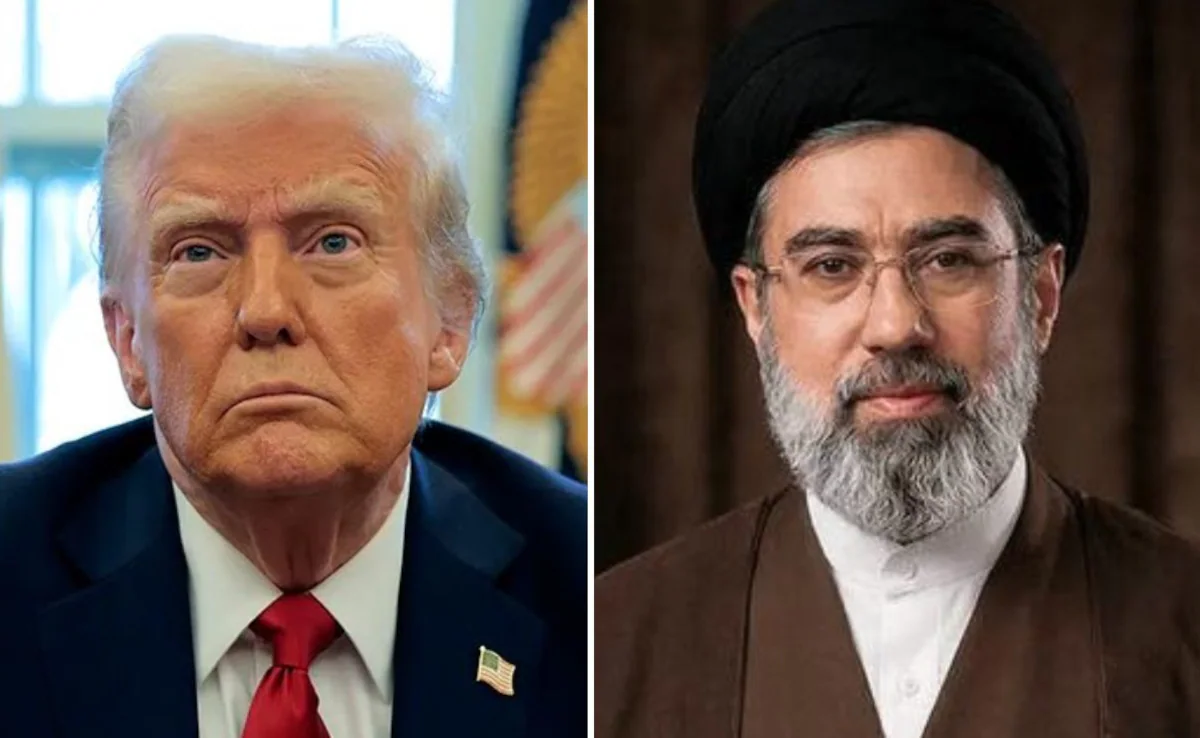
US President Donald Trump stated that he does not foresee Iran imposing any tolls or charges on ships navigating the Strait of Hormuz. He categorically dismissed the idea during a press briefing on April 18 while aboard Air Force One, responding to inquiries from journalists. Trump was clear in his stance, saying, “No way. None at all? Nope. You can’t do the tolls. No, they’re not going to be tolls.”

His comments coincided with heightened attention on the Strait of Hormuz, an essential passageway for global oil shipments. Any restrictions on this route could have severe ramifications for the world’s economy, highlighting the strategic importance of the waterway.

Iran’s Security Framework Proposal

In response to queries about possible charges, Iranian officials have indicated that while they will not impose “traditional fees” on vessels, they are contemplating a new regulatory framework linked to security. Ebrahim Rezaei, a spokesperson for Iran’s National Security Committee, conveyed this information in an interview with Al Jazeera Mubasher. He stated that Tehran is working on legislation that would establish fees tied not to transit but to “securing the strait.”

Rezaei elaborated that only vessels that coordinate with Iranian authorities would be permitted to pass through the vital waterway. This marks a shift towards stricter oversight of maritime traffic in a region often fraught with tension and naval activity.

He further reported that vessels deemed “hostile,” particularly those emanating from the United States and Israel, would be prohibited from crossing the strait, while “friendly” ships could navigate it, subject to advance coordination with Iranian military forces. Rezaei also made it clear that Iran does not recognise any American role in the oversight or security management of the Strait of Hormuz.

Ongoing Diplomatic Efforts

Currently, diplomatic discussions are taking place between the US and Iran, focusing on de-escalation of hostilities in West Asia. These interactions are occurring alongside a temporary ceasefire agreement that has been in effect for two weeks. This ceasefire is scheduled to conclude on April 22, prompting urgency in the negotiations to prevent further escalation.

The geopolitical situation remains fluid, as both nations work toward stabilising their contentious relationship amid potential military confrontations. The outcome of these talks may influence broader regional security dynamics, especially concerning maritime navigation in the Strait of Hormuz.

As the deadline for the ceasefire approaches, the international community watches closely, aware that any developments could have serious implications for global trade and regional stability. The Strait of Hormuz remains a focal point for economic and strategic interests, demanding careful attention from all stakeholders involved.

Long or Short, get news the way you like. No ads. No redirections. Download Newspin and Stay Alert, The CSR Journal Mobile app, for fast, crisp, clean updates!

App Store –  https://apps.apple.com/in/app/newspin/id6746449540 

Google Play Store – https://play.google.com/store/apps/details?id=com.inventifweb.newspin&pcampaignid=web_share

Latest News

Popular Videos