


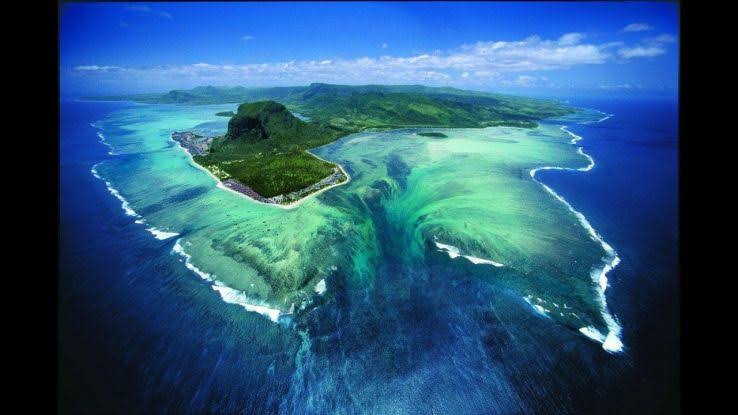

The largest waterfall in the world does not exist on land; instead, it is located beneath the ocean’s surface. This natural phenomenon is situated in the Denmark Strait, which is the body of water between Greenland and Iceland. Known as the Denmark Strait cataract, this underwater waterfall descends a staggering 3,505 metres, making it the tallest waterfall on the planet.
The flow of water in this underwater waterfall is immense, with billions of litres cascading from the surface to the depths below each second. This massive discharge occurs as cold, dense water from the Arctic Ocean flows downward, displacing the lighter, warmer waters above it. The dynamic interactions between these different water masses create a fascinating ballet of movement and pressure.
This underwater waterfall is formed primarily by the temperature differences in the water. Cold water, being denser, sinks while warmer water rises. This process creates what is essentially a continuous waterfall that unleashes significant currents beneath the ocean, influencing local marine life and ecosystems.
Hydrophysical Dynamics of the Denmark Strait Cataract
The Denmark Strait cataract plays a critical role in the global ocean circulation system, which is essential for regulating climate and weather patterns. The movement of these water masses contributes to the thermohaline circulation, often referred to as the ocean conveyor belt. This system is vital for distributing heat around the Earth, impacting weather systems well beyond the immediate region of the waterfall.
Implications for Climate and Ocean Life
The Denmark Strait cataract not only serves as a natural spectacle but also as a vital component of ocean health. The continual flow of cold, nutrient-rich water from deep ocean currents supports various marine organisms, from plankton to larger fish species. These critters rely on the nutrient supply to thrive, which plays a crucial role in the broader marine food web.
<h4Moreover, the temperature differentiation caused by the cascading waters contributes to the regulation of climate systems. The cold water that flows from the depths affects sea surface temperatures, which in turn have far-reaching effects on global weather patterns. This interplay highlights the intricate connections between ocean currents and climate stability.