


Tejasvi Surya Slams Opposition in Lok Sabha Over Delimitation Debate
The CSR Journal Magazine

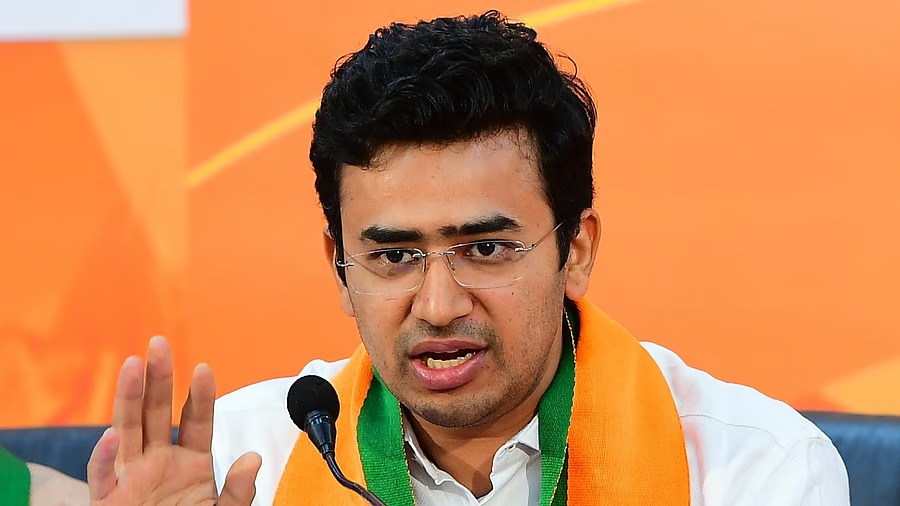
A vigorous discussion regarding the proposed delimitation exercise unfolded in the Lok Sabha on 16 April 2026. BJP Member of Parliament Tejasvi Surya initiated a fierce critique of the Opposition’s stance, challenging their arguments on the rationale behind the delimitation process. This heated exchange highlighted the differing perspectives on how such an initiative could impact the electorate.

During the proceedings, Surya posed a provocative question regarding the implications of the delimitation exercise. He inquired whether the Opposition believed that wealth could translate into political power, suggesting that under such logic, affluent individuals would disproportionately influence the voting process. His remarks emphasised the potential pitfalls of equating wealth with electoral power.

Surya went further to illustrate his point by referencing Mukesh Ambani, implying that if financial status dictated votes, then Ambani would possess a staggering 1 lakh votes, while the common citizen would have only a single vote. This analogy aimed to underline the absurdity of the Opposition’s claims that the delimitation could result in an uneven distribution of political influence based on economic status.

Opposition’s Defence Against Criticism

In response to Surya’s accusations, the Opposition defended its position, asserting that the delimitation process aims to ensure a fair representation of all constituents. They argued that the exercise is essential for realigning districts and constituencies based on population growth and demographic changes. The Opposition maintained that their criticism stems from a commitment to uphold democratic principles rather than a rejection of the exercise itself.

Members of the Opposition highlighted the importance of addressing inequalities within the political framework, cautioning that any lapses in the delimitation process could exacerbate existing disparities. They reiterated the need for a thorough and inclusive approach to ensure that all voices are adequately represented, arguing against the notion that wealth should dictate political power.

Further, the Opposition also raised concerns regarding potential partisan biases that may arise during the delimitation process. They emphasised the necessity for transparency and fairness, insisting that it is critical to avoid any scenario where the exercise could manipulate electoral outcomes to favour one group over another.

Significance of Delimitation in Indian Politics

The topic of delimitation has significant implications for political strategy and representation in India. Historically, delimitation exercises are conducted based on census data to revise the boundaries of electoral constituencies. This process is crucial in maintaining equitable representation as demographic changes occur over time.

While delimitation aims to address population shifts and ensure all constituents are properly represented, it can also create contentious debates among political parties. As electoral strategies are often closely tied to the representation of specific areas, any adjustments in constituency boundaries can lead to intense competition and conflict within the political landscape.

As discussions surrounding the delimitation exercise continue, it remains to be seen how the final implementation will shape the electoral dynamics in the country. With various political factions striving to protect their interests, the outcome of this process will likely be closely monitored by analysts and citizens alike.

Long or Short, get news the way you like. No ads. No redirections. Download Newspin and Stay Alert, The CSR Journal Mobile app, for fast, crisp, clean updates!

App Store –  https://apps.apple.com/in/app/newspin/id6746449540 

Google Play Store – https://play.google.com/store/apps/details?id=com.inventifweb.newspin&pcampaignid=web_share

Latest News

Popular Videos
