


Shashi Tharoor Stresses Importance of Opposition Views in Parliament
The CSR Journal Magazine

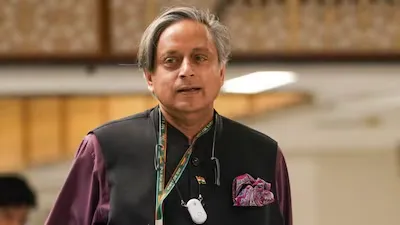
Shashi Tharoor, a senior member of the Congress party, has highlighted the significance of incorporating opposition views into parliamentary discussions, despite the ruling government’s majority. He addressed reporters in New Delhi on August 3, asserting that documenting these perspectives is essential for future judicial reviews. Tharoor noted that the lack of opportunity to debate the reasoning behind bills hampers transparency in parliamentary processes.

He stated, “There was no opportunity to know why the bill was passed, what the logic was, what the other side’s arguments were,” emphasising that opposition voices hold substantial weight even when the government possesses a majority. This documentation, he argued, is vital for understanding the context and concerns surrounding legislative decisions.

Concerns Over Communication Gaps

Tharoor further elaborated on the growing communication gap between the government and opposition parties. He pointed out that maintaining effective parliamentary operations is a fundamental responsibility of the ruling government. He suggested that better dialogue could help facilitate the passage of bills and ensure smooth functioning within Parliament.

“There is a level of, shall we say, lack of communication between the government and the opposition that has resulted in this unhappy situation,” he said. His remarks imply that government officials should engage more thoroughly with their opposition counterparts to foster a collaborative atmosphere. Tharoor expressed a concern that insufficient interaction may hinder legislative progress.

The Congress MP urged for serious discussions on key legislative proposals, including the FCRA Bill and women’s reservation, underscoring the potential impacts these issues could have on the nation. He hopes that a compromise will soon be reached to facilitate more constructive engagement.

Legislative Context and Political Reactions

Tharoor’s statements come in the wake of the recent passage of the Public Examinations (Prevention of Unfair Means) Amendment Bill, 2026. The Lok Sabha approved the bill on Wednesday, followed by clearance in the Rajya Sabha on Friday, amid a walkout from opposition members during the voting process. The political environment surrounding this legislation has been tense, with opposition parties expressing concerns about its rapid progression.

Opposition leaders have accused the Centre of hastily introducing amendments without adequately addressing the underlying issues of repeated examination paper leaks. They allege that the motivations behind the bill may be rooted in responding to widespread student protests rather than implementing necessary reforms to prevent future occurrences of such irregularities.

In contrast, the central government has defended the amendments, asserting that they demonstrate a commitment to learning from past experiences. They argue that these changes aim to strengthen the existing legal structure established by the Public Examinations (Prevention of Unfair Means) Act, 2024, with the intention of better counteracting examination malpractices.

Long or Short, get news the way you like. No ads. No redirections. Download Newspin and Stay Alert, The CSR Journal Mobile app, for fast, crisp, clean updates!

App Store –  https://apps.apple.com/in/app/newspin/id6746449540 

Google Play Store – https://play.google.com/store/apps/details?id=com.inventifweb.newspin&pcampaignid=web_share

Latest News

Popular Videos
