


Severe Flooding in Nepal Claims Over 1,200 Lives; Rescues Ongoing
The CSR Journal Magazine

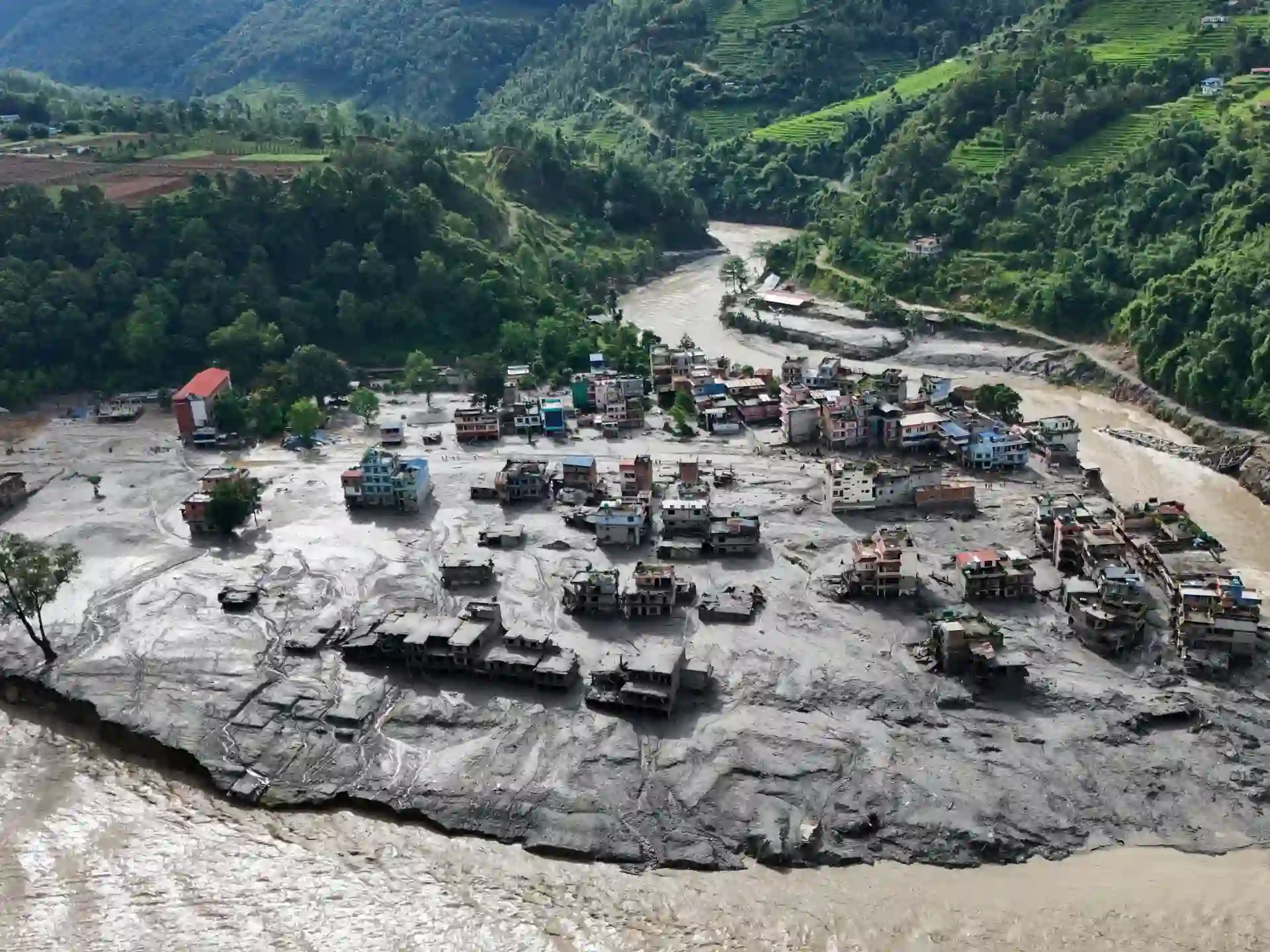
More than 1,200 individuals have reportedly lost their lives due to severe flooding in Nepal, one of the most devastating natural disasters the region has experienced. Rescue operations are actively being conducted, with emergency responders focusing their efforts on several key locations, particularly the Trishuli tunnel, where two survivors were successfully brought to safety.

The flooding was triggered by relentless rainfall that began in late September. This has led to widespread devastation across multiple districts, affecting thousands of families. Many communities have been left isolated, with infrastructure severely impacted.

Local authorities have mobilised resources to provide assistance to those affected. However, ongoing adverse weather conditions are complicating rescue and relief efforts. Emergency teams have struggled to navigate the floodwaters, hampering their ability to reach the most remote areas.

India Offers Humanitarian Support

In response to the calamity, the Indian government has announced humanitarian assistance for the affected regions in Nepal. Relief supplies, including food, medicines, and other essential items, are being dispatched to assist those in critical need. Various agencies are coordinating their efforts to ensure timely delivery and support for rescue operations.

The Indian Red Cross Society is among the organisations providing assistance, with volunteers on the ground working tirelessly to help those impacted by the floods. Support from India has been acknowledged by Nepalese officials, who have expressed gratitude for the timely intervention.

The situation remains dire, with heavy rain forecasted to continue in the coming days. Reports indicate a potential rise in fatalities if rescue efforts are not accelerated. Authorities are urging communities to stay alert and take necessary precautions to ensure their safety.

Government Response and Long-Term Measures

The Nepalese government has declared a state of emergency in affected areas to facilitate a coordinated response to the disaster. Emergency services are being strengthened, with additional personnel and resources allocated to aid in rescue and recovery efforts.

In addition to immediate response measures, officials are discussing long-term strategies to manage flood risks, including improvements to infrastructure and better forecasting systems. The aim is to mitigate the impact of similar events in the future, ensuring greater preparedness for natural disasters.

Public health concerns are also being addressed, as stagnant water poses a significant risk of disease outbreaks. Health officials are advising communities on sanitation and hygiene practices to prevent potential health crises in the aftermath of the floods.

The extensive damage to infrastructure, including roads and bridges, will require significant investment for repair and reconstruction. This disaster highlights the need for enhanced flood management strategies to protect vulnerable communities throughout Nepal.

Long or Short, get news the way you like. No ads. No redirections. Download Newspin and Stay Alert, The CSR Journal Mobile app, for fast, crisp, clean updates!

App Store –  https://apps.apple.com/in/app/newspin/id6746449540 

Google Play Store – https://play.google.com/store/apps/details?id=com.inventifweb.newspin&pcampaignid=web_share

Latest News

Popular Videos
