



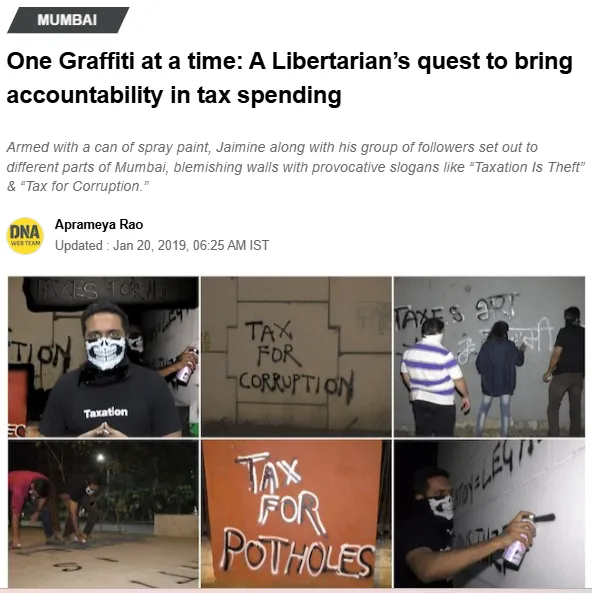
Some years ago, I painted a provocative sentence on a wall in my classroom: “Taxation is theft.”
I was not asking my students to accept it as economic gospel. I wanted them to challenge it. 22 MBA students could disagree in a class of 108, bring arguments from political philosophy, discuss the social contract, and examine why citizens pay taxes. The slogan was a starting point for a conversation, not the conclusion.
Today, after 14 years in education, I wonder whether I would paint that wall again.
The sentence has not become less debatable. What has changed is the possibility that someone might photograph it, remove it from its academic context, circulate it online and interpret it as evidence of something else.
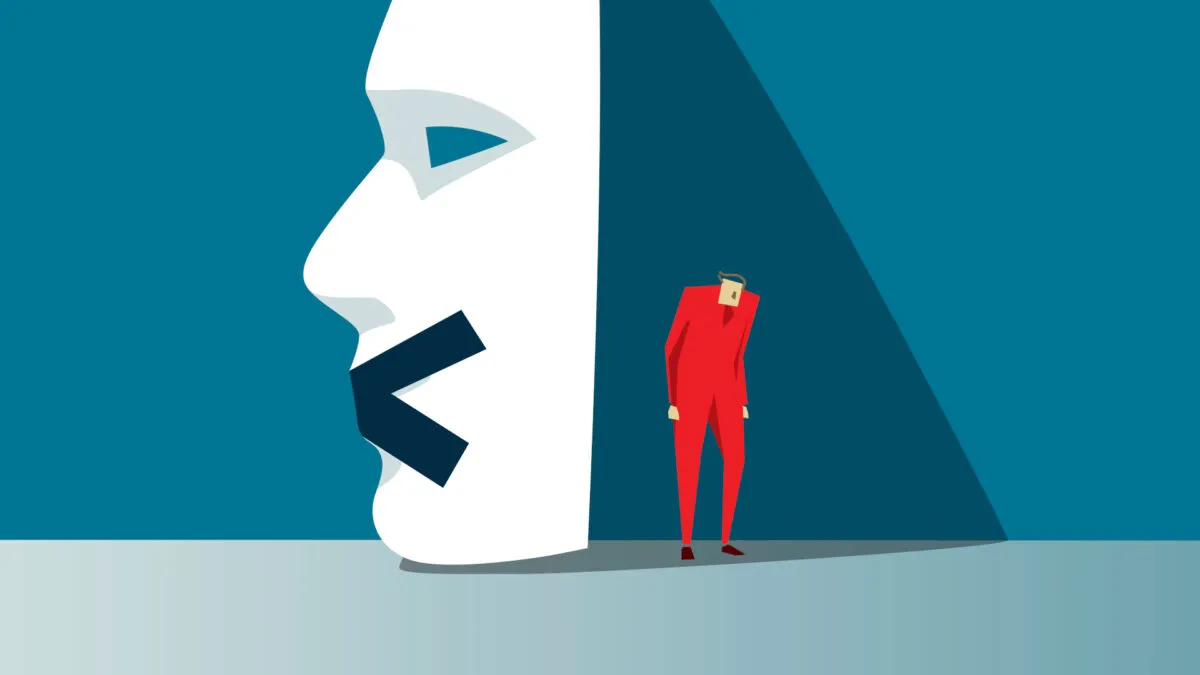
This is the quiet transformation taking place across educational institutions and corporate workplaces. The most consequential restriction on free expression may not always be a formal prohibition. Sometimes, it is the moment a teacher deletes a post, a student abandons a question, or an employee decides that a perfectly legitimate opinion is not worth the professional risk.
The person learns to censor themselves before anyone else must.
In 2019, I taught international trade to a student named Ritu. We discussed tariffs, supply chains, trade wars and the distribution of economic costs. Inevitably, our conversations moved beyond textbooks. International trade raises questions about power, labour, inequality, national interest and who gets to make decisions that affect everyone else.
Ritu began engaging with these questions more deeply. Our classroom discussions became an opportunity to examine politics, rather than treating it as a subject that belonged exclusively to politicians.
Today, she participates in feminist solidarity walks across Mumbai and Thane.
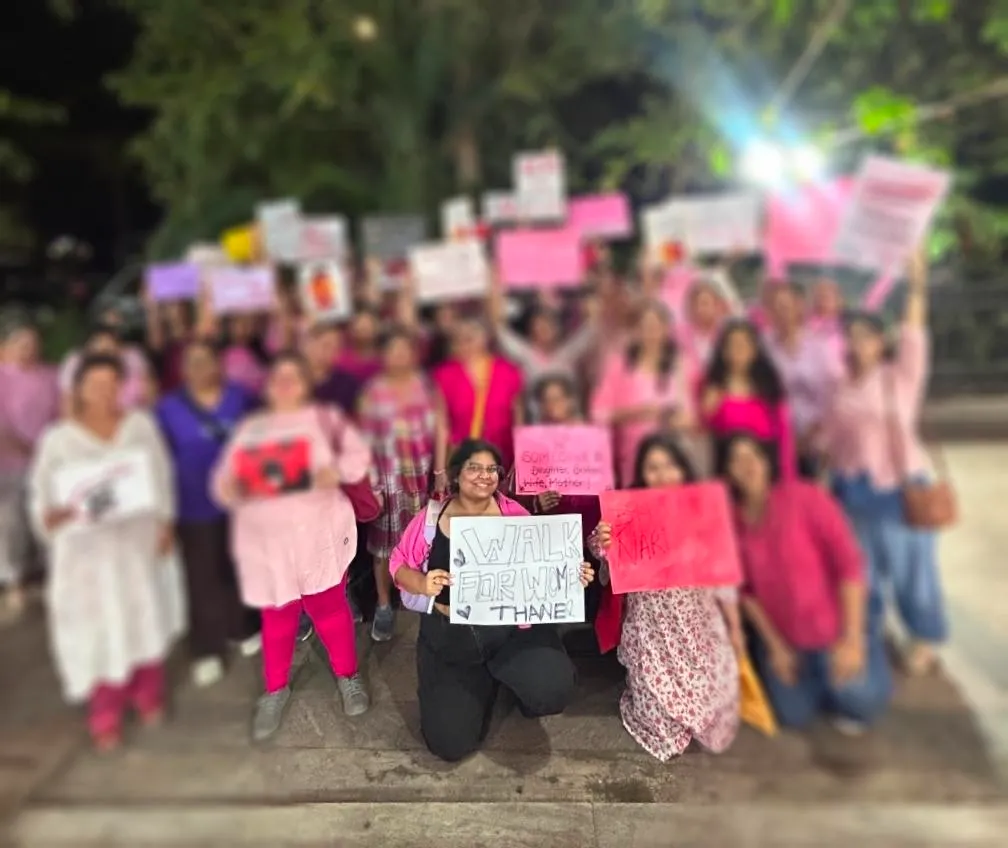
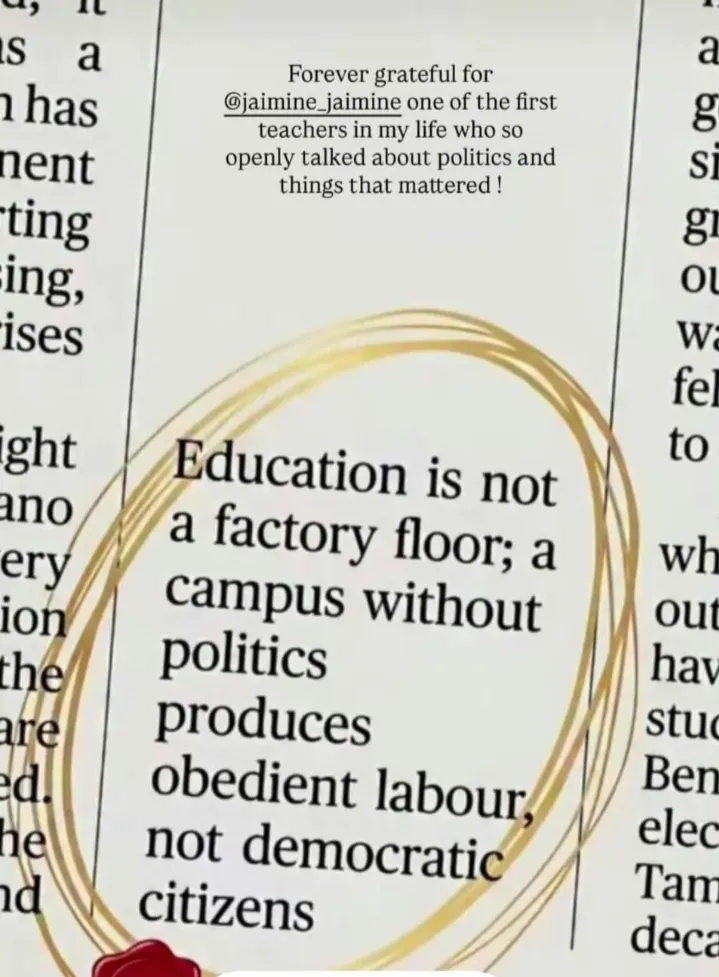
Recently, she publicly expressed gratitude for having encountered a teacher who spoke openly about politics and issues that mattered. Her message stayed with me because it captured something that university brochures rarely measure: the moment a student discovers that questioning the world is not an academic inconvenience but a civic responsibility.
I do not claim credit for the person Ritu has become. Her choices are her own. But I recognise the importance of a classroom where questions are welcomed rather than discouraged.
 Dr. Jaimine Vaishnav is a faculty of geopolitics and world economy and other liberal arts subjects, a researcher with publications in SCI and ABDC journals, and an author of 6 books specializing in informal economies, mass media, and street entrepreneurship. With over a decade of experience as an academic and options trader, he is keen on bridging the grassroots business practices with global economic thought. His work emphasizes resilience, innovation, and human action in everyday human life. He can be contacted on jaiminism@hotmail.co.in for further communication.