


Sri Lanka Declines Immediate Assistance to Stranded Iranian Tankers
The CSR Journal Magazine

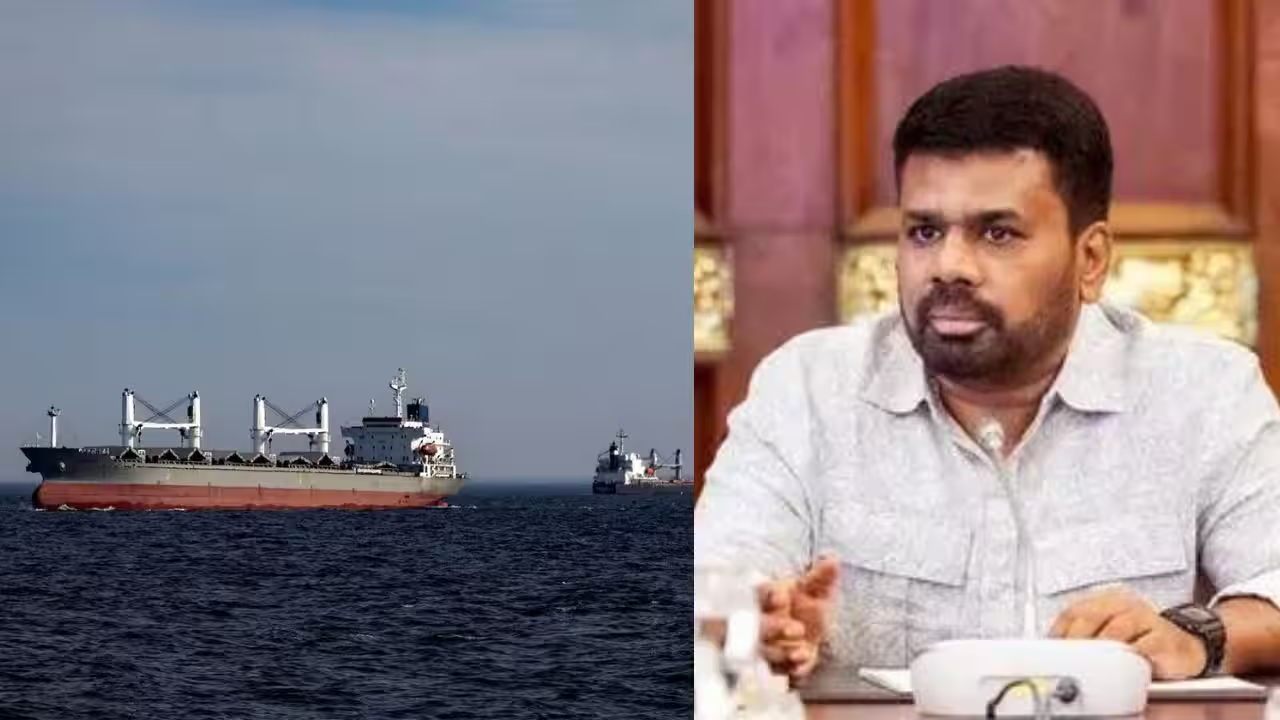
Sri Lanka has declared that it will not provide immediate assistance to 19 Iranian oil tankers currently anchored in international waters near its coast. This decision comes amid reports of shortages of essential supplies, including food and water, on the vessels. A spokesperson from the Sri Lankan foreign ministry stated on October 9 that the nation prioritises its national interests and is cautious about potential secondary sanctions from the United States.

This announcement follows a report from the Wall Street Journal, which claimed that US officials had allegedly pressured Sri Lanka to refrain from allowing local shipping companies to supply the stranded tankers. The spokesperson clarified that no direct threats of sanctions had been communicated by the US, yet the looming risk appears to influence Colombo’s response to the situation.

Sri Lanka’s dilemma encompasses not only the decision to assist the Iranian vessels but also the extent to which it can act independently in light of US pressure. The geopolitical context complicates the situation, as Sri Lanka navigates its foreign relations while considering the implications of US sanctions.

Background of the Stranded Vessels

The Iranian tankers became stranded following military actions initiated by the United States and Israel against Iran on February 28. In retaliation, Iran targeted American military bases and blockaded the Strait of Hormuz, a vital maritime route. This led to the US imposing a naval blockade on Iranian ports, which was briefly lifted before being reinstated in July, leaving numerous Iranian vessels unable to return home.

According to Sri Lankan Foreign Minister Vijitha Herath, approximately 47 foreign ships are currently anchored off the coast, with 19 of them flagged from Iran. These vessels are situated within Sri Lanka’s Exclusive Economic Zone but outside its territorial waters, creating a complex legal and ethical situation regarding potential assistance.

The United Nations Convention on the Law of the Sea (UNCLOS) mandates states to provide effective search-and-rescue services. However, the obligation to assist depends on the circumstances surrounding the sailors’ distress rather than merely their location. This legal ambiguity adds to Sri Lanka’s cautious approach.

Impact of US Secondary Sanctions

Secondary sanctions are imposed by a government on third parties to exert pressure on a primary target. The US employs these sanctions to discourage foreign entities from engaging with Iran, leveraging the dollar’s significance in global finance. This strategy aims to isolate Iran economically, creating a challenging environment for countries like Sri Lanka that rely on international trade.

Operation Economic Outcast, announced on August 24, intensified the risk of secondary sanctions for foreign businesses interacting with Iran, particularly in the shipping sector. For Sri Lankan shipping companies, the potential repercussions of assisting the Iranian tankers could outweigh the benefits, leading to a reluctance to provide necessary services.

As a key maritime hub in the Indian Ocean, Sri Lanka’s shipping industry contributes significantly to its economy, accounting for approximately 2.5 per cent of the GDP and employing around 40,000 to 50,000 individuals. The threat of US sanctions poses a substantial risk to this sector, potentially hindering its growth and integration into international shipping networks.

Balancing Relations and Strategic Autonomy

Despite its historical alignment with the US, Sri Lanka has occasionally diverged from American preferences. Recent decisions, including rejecting a US request for military aircraft landings, reflect Colombo’s attempts to maintain strategic autonomy. However, the economic consequences of antagonising the US are a significant concern, particularly given the ongoing recovery from a severe economic crisis.

The Sri Lankan government has expressed that its decisions are not solely influenced by US pressure, yet the situation with the Iranian tankers raises questions about the limits of its strategic autonomy in an unequal international landscape. The final decision regarding assistance will not only impact Sri Lanka’s foreign relations but also test its commitment to humanitarian principles amidst economic constraints.

Ultimately, Sri Lanka faces a complex challenge in balancing its humanitarian obligations with the potential repercussions of US sanctions, all while striving to maintain its economic stability and international standing.

Long or Short, get news the way you like. No ads. No redirections. Download Newspin and Stay Alert, The CSR Journal Mobile app, for fast, crisp, clean updates!

App Store – https://apps.apple.com/in/app/newspin/id6746449540

Google Play Store – https://play.google.com/store/apps/details?id=com.inventifweb.newspin&pcampaignid=web_share

Latest News

Popular Videos
