


Scientists Uncover Plastic-Eating Fungus In Amazon Rainforest
The CSR Journal Magazine

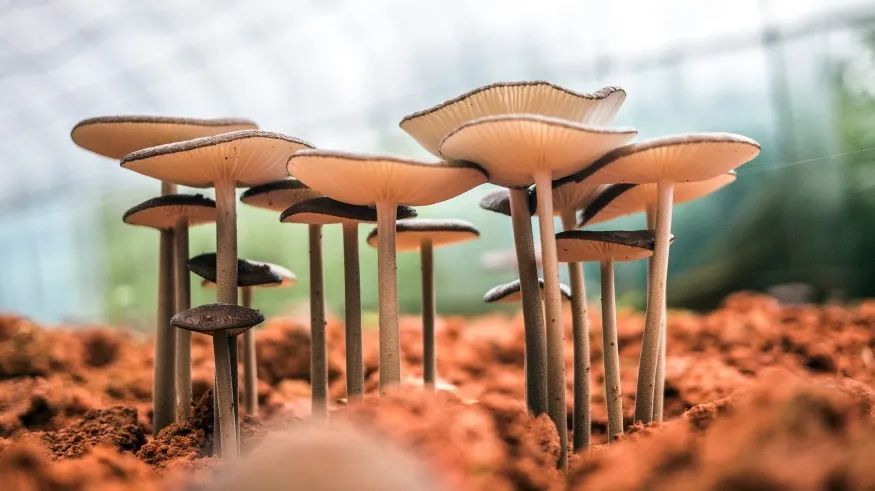
Recent research has revealed the presence of a novel fungus in the Amazon rainforest, which has the ability to consume plastic materials. This significant finding highlights the potential of this organism in addressing global plastic waste issues. The study was conducted by a group of scientists who dedicated considerable time to exploring various ecosystems in the region.

The newly discovered fungus reportedly thrives in environments depleted of oxygen, a characteristic that sets it apart from many other fungi. This adaptability may allow it to break down plastics in landfill sites where oxygen levels are minimal. Understanding the ecological roles of such species could be crucial for future waste management strategies.

Potential Implications for Waste Management

The implications of this discovery are profound, particularly in light of the escalating global plastic crisis. It is estimated that millions of tonnes of plastic waste enter landfills and ecosystems each year, contributing significantly to environmental degradation. The ability of this fungus to biodegrade plastic may offer a more sustainable solution compared to current waste disposal methods.

Scientists believe that harnessing the capabilities of this plastic-eating fungus could lead to innovative approaches in managing landfill waste. For instance, researchers are contemplating ways to cultivate the fungus on a larger scale for practical applications in waste processing facilities. This could reduce the volume of plastic waste significantly over time.

Moreover, the study opens up avenues for further research into other organisms that may possess similar traits. A broader exploration could lead to the identification of additional species with the potential to degrade synthetic materials, thereby enhancing recycling efforts and reducing pollution.

Future Research Directions

In response to the discovery, an interdisciplinary team of researchers has been formed to investigate the characteristics and mechanisms by which the fungus breaks down plastic. Key areas of focus include understanding the enzymatic processes involved and the specific types of plastics that the fungus can effectively degrade. Such research will provide valuable insights into bioremediation techniques.

The scientists involved emphasise the importance of not only understanding this fungus but also ensuring its conservation in the Amazon rainforest. Habitat preservation is vital for the sustainability of such organisms, which can be sensitive to environmental changes. Efforts to protect these ecosystems could play a fundamental role in future applications of the fungus.

As the research progresses, organisations may explore collaboration with waste management companies to pilot projects that utilise the fungus in real-world scenarios. This could involve integrating the fungus into existing waste treatment systems, potentially leading to more efficient waste reduction practices globally.

Long or Short, get news the way you like. No ads. No redirections. Download Newspin and Stay Alert, The CSR Journal Mobile app, for fast, crisp, clean updates!

App Store –  https://apps.apple.com/in/app/newspin/id6746449540 

Google Play Store – https://play.google.com/store/apps/details?id=com.inventifweb.newspin&pcampaignid=web_share

Latest News

Popular Videos
