


Satellite Images Reveal Oil Spills in Hormuz Corridor Amid Global Oil Crisis
The CSR Journal Magazine

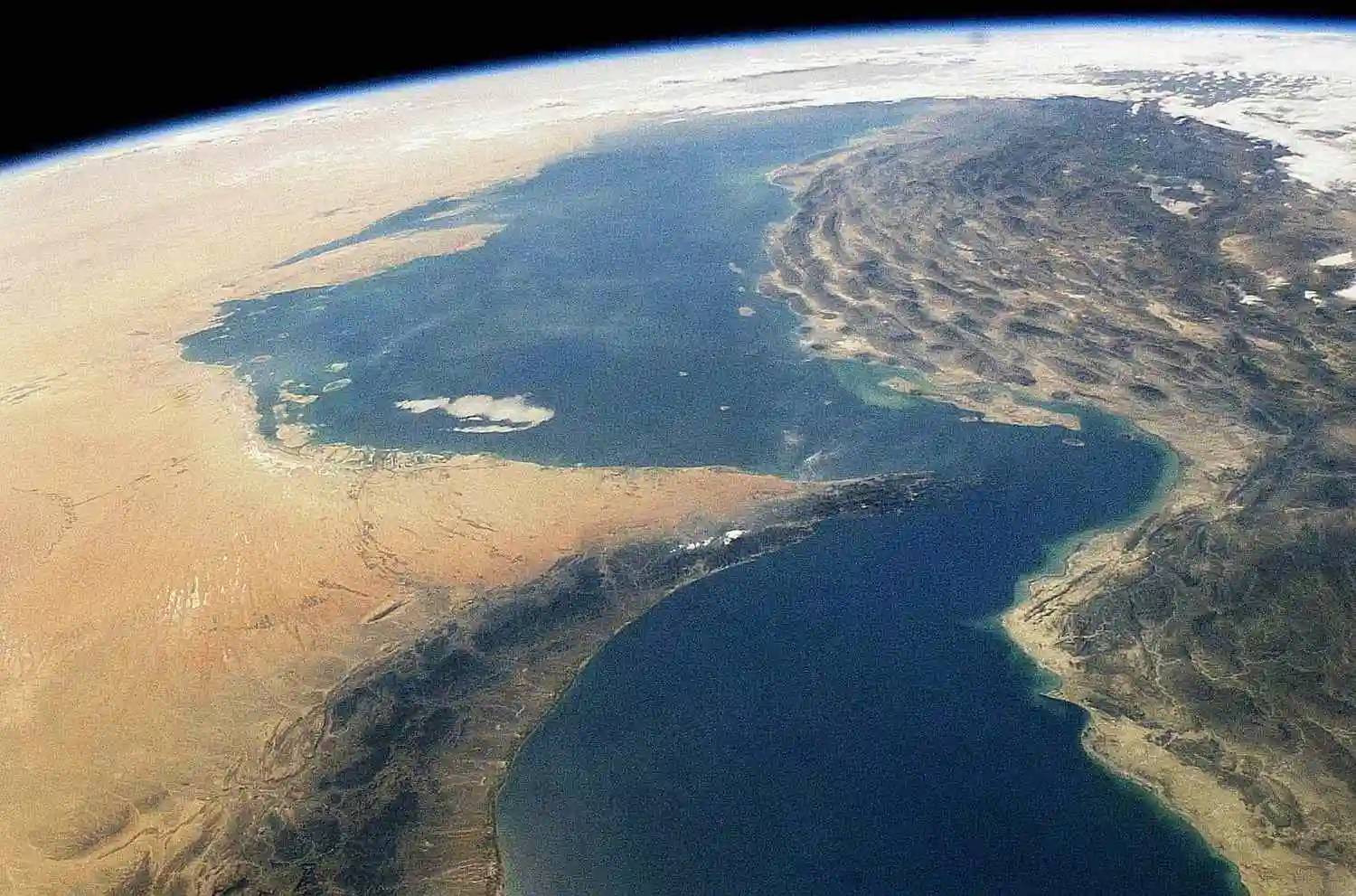
The recent blockade of the Hormuz corridor has led to a dramatic rise in oil prices, yet satellite imagery from space highlights a troubling situation. These images depict significant oil spills in the very waters that should be facilitating the transport of crude oil. As the world grapples with rising energy costs, the oil is reportedly leaking into the sea, hindering delivery to consumers worldwide.

Reports indicate that large oil slicks have emerged following strikes on oil facilities and tankers in the Strait of Hormuz, with at least one slick covering over 120 square kilometres. This expanse is comparable to the size of a major city, underscoring the scale of the situation. The oil does not appear to be confined solely to tankers, as it is visibly spreading across the waters.

Utilising data from the European Space Agency’s Sentinel programme, authorities have identified four suspected oil spill sites throughout the Gulf and the wider Hormuz area. These stains were observed near key locations on various dates: March 5 near the Kuwait coast, April 10 around Lavan Island, April 22 off Qeshm Island, and May 6 near Kharg Island, showing a distressing pattern of contamination close to vital shipping routes.

Impacts on Marine Ecosystems and Local Communities

The presence of oil slicks not only signifies an environmental hazard but also poses tangible risks to local communities reliant on these waters. Fishing industries, coastal populations, and marine biodiversity stand to suffer as oil pollution can lead to lost livelihoods and damage fragile ecosystems. Residents in the Gulf area are directly affected as these oil spills threaten their way of life and the health of marine species.

The waters in question transport about twenty per cent of the world’s crude oil and natural gas supplies, making their contamination particularly concerning for countries like India that depend heavily on imports. Satellite imagery from May 6 illustrates one oil slick covering an area exceeding 120 square kilometres, with evidence of vessels operating in the vicinity of Kharg Island, further complicating the situation.

Another critical finding was made on April 10, when spacecraft captured images of oil slicks near Lavan Island shortly after an Iranian oil facility was reportedly struck. These images highlighted further spread around Shidvar Island, a region known for its rich marine life including turtles and seabirds, indicating the potential for widespread ecological damage.

Challenges in Confirming Oil Spill Sources

Confirming the presence of oil spills through satellite imagery is fraught with challenges. Changes in seawater colour and texture can arise from various factors, such as algae blooms or sediment. Therefore, visual evidence of oil is not definitive proof of spills. Researchers have implemented a more rigorous approach using radar technology to improve accuracy in identifying slicks amidst changing sea conditions.

By employing advanced processing techniques on Sentinel-1 radar imagery, analysts were able to isolate areas of the sea exhibiting unusual smoothness, a condition indicative of oil presence. These observations allow for a more reliable identification of oil slicks, which were subsequently mapped to assess their extent.

Strikingly coinciding with the oil spills, a separate incident was reported in Mirbat, Oman, where a large number of dead shrimp were found on local beaches, turning the shorelines red. While the connection to the oil slicks remains unconfirmed, the timing raises alarms regarding marine health in the region and potential links to pollution, necessitating further investigation into the ongoing environmental impact.

Long or Short, get news the way you like. No ads. No redirections. Download Newspin and Stay Alert, The CSR Journal Mobile app, for fast, crisp, clean updates!

App Store –  https://apps.apple.com/in/app/newspin/id6746449540 

Google Play Store – https://play.google.com/store/apps/details?id=com.inventifweb.newspin&pcampaignid=web_share

Latest News

Popular Videos
