


Rupee’s Decline Is Not The Concern Of The RBI
The CSR Journal Magazine

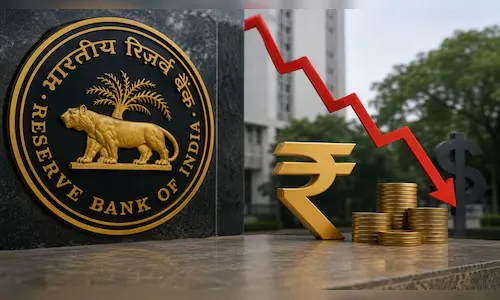
The decline of the Indian rupee is not necessarily a primary concern for the Reserve Bank of India (RBI). This assertion, which may appear contentious in a nation reacting to every downturn in the rupee with alarm, reflects the actual mandate of the RBI as outlined in its preamble. The central bank’s role includes regulating the issuance of bank notes and ensuring monetary stability in the country, rather than guaranteeing a specific exchange rate against the dollar.

The RBI’s genuine focus extends beyond merely defending currency valuations. Its responsibilities include managing inflation, maintaining financial stability, and ensuring liquidity in the economy. These priorities help the nation navigate external shocks without undermining its broader economic health.

The Context Of India’s Currency Movement

The rupee’s performance has come under scrutiny, particularly following the significant depreciation observed since Prime Minister Narendra Modi took office in 2014. The rupee was valued at approximately Rs 58 against the dollar back then. However, by May 2026, it reached unprecedented lows, nearing Rs 97, influenced by factors such as foreign investor withdrawals and surging crude oil prices.

This depreciation has raised concerns among citizens, who are apprehensive about how it may affect costs of imports, fuel prices, overseas education, and other expenditures. While the depreciation of the rupee does indeed exert pressure on the economy, it is essential to consider that no central bank can flawlessly shield its currency from declines that may arise due to global crises.

Economists have begun to suggest that an overemphasis on defending currency levels could be misguided. The complexities of today’s global economic landscape, highlighted by ongoing geopolitical tensions and fluctuating oil prices, mean the RBI has to navigate forces beyond its immediate control.

Criteria For RBI’s Intervention

India’s economic strategy employs a “managed float” exchange rate system, distinguishing it from those nations that rigidly peg their currencies. The rupee is allowed to fluctuate in accordance with market dynamics, with the RBI intervening if volatility escalates excessively.

Feedback from experts indicates that the RBI’s interventions should typically focus on maintaining stable inflation and financial stability rather than imposing unrealistic currency values. Historical instances, such as during the 2013 “taper tantrum” and the currency pressures seen in 2022, elucidate the complex balance the RBI must navigate to avoid long-term destabilisation.

Central banking today prioritises inflation targets over rigid exchange rate defences. This evolved perspective underscores that consistently supporting an artificial currency level may invite greater vulnerabilities rather than provide lasting security.

Economists advocate for a measured approach, suggesting that allowing the rupee to adjust gradually can ultimately foster a healthier economic environment. A prolonged focus on defending an overvalued currency may inadvertently contribute to broader economic issues, such as suppressed investment and weakened credit growth.

Long or Short, get news the way you like. No ads. No redirections. Download Newspin and Stay Alert, The CSR Journal Mobile app, for fast, crisp, clean updates!

App Store –  https://apps.apple.com/in/app/newspin/id6746449540 

Google Play Store – https://play.google.com/store/apps/details?id=com.inventifweb.newspin&pcampaignid=web_share

Latest News

Popular Videos
