


Rahul Gandhi Slams LPG Price Hike, Says It’s Crushing Common Man and Small Businesses
The CSR Journal Magazine

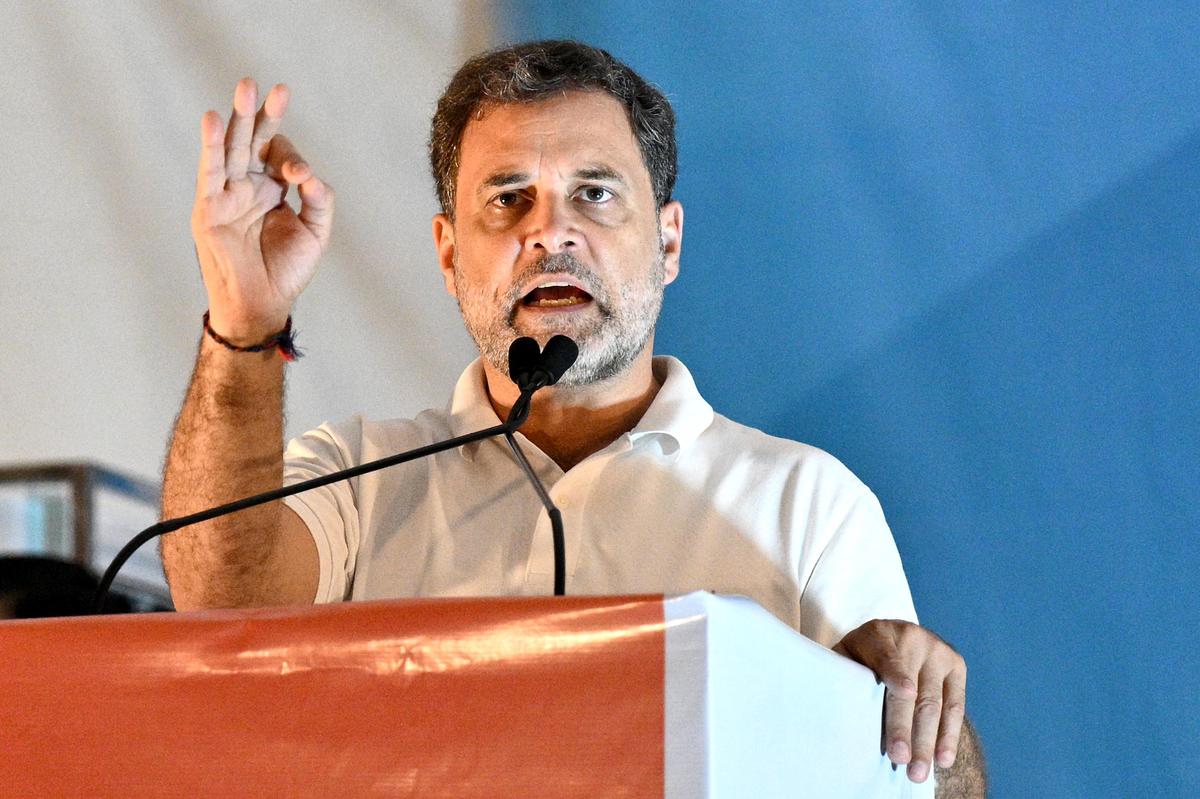
Rahul Gandhi has strongly criticised the Indian government for its recent decision to increase the price of commercial liquefied petroleum gas (LPG). The former Congress president expressed his discontent through social media, highlighting the financial burden such hikes place on common citizens and businesses alike. Gandhi alleged that this increase is part of a series of price hikes across essential commodities, which he claims continues to affect the daily lives of people. He questioned the government’s priorities and accused them of neglecting the well-being of the nation’s populace while focusing on other agendas.

In his statement, Rahul Gandhi remarked that this price increase would particularly impact small businesses and the hospitality industry, which are still recovering from the repercussions of the COVID-19 pandemic. He emphasised the urgency for the government to focus on policies that support rather than burden these sectors.

Government’s Response to Allegations

In response to the accusations, government representatives defended the price adjustments as necessary due to increases in global fuel costs. They stated that such measures are essential for maintaining market stability and ensuring the availability of gas supplies.

Officials have reportedly highlighted the importance of aligning domestic prices with international trends, explaining that these hikes are an unavoidable part of the global market dynamics. They asserted that the increases would not only affect commercial LPG but could also have subsequent implications for other fuel prices.

The government maintained that they are committed to providing subsidised LPG cylinders for domestic use, although concerns regarding the commercial rates remain unresolved. They indicated ongoing discussions about potential relief measures for industries hardest hit by these changes.

Public Reaction to Price Hike Announcement

The announcement of the LPG price increase has elicited mixed reactions from the public and industry experts. Many citizens expressed frustration over the rising costs of living and the impact of these price adjustments on their household budgets.

Industry stakeholders have also voiced their concerns regarding the implications for operational costs, particularly within the restaurant and catering sectors. Many small business owners worry that the increased expenses could force them to raise their prices, which may deter customers already grappling with economic challenges.

Consumer advocacy groups have called for greater transparency in pricing decisions and urged the government to reconsider its approach to essential goods. They have emphasised the need for long-term strategies that would stabilise prices and support the economically vulnerable sections of society.

Future Implications of Price Increases

The ongoing upward trend in fuel prices raises questions about future economic policies and their potential impact on various sectors. Analysts predict that if this trend continues, it may have broader implications for inflation and consumer spending across the country. As the government navigates these challenges, the focus will likely shift towards measures that mitigate the negative effects of price hikes. There may be increased scrutiny of policy decisions and their repercussions on everyday life.

In this context, the dialogue between the government and citizens remains crucial, with expectations for more engagement and transparency regarding pricing structures and fiscal strategies.

Long or Short, get news the way you like. No ads. No redirections. Download Newspin and Stay Alert, The CSR Journal Mobile app, for fast, crisp, clean updates!

App Store –  https://apps.apple.com/in/app/newspin/id6746449540 

Google Play Store – https://play.google.com/store/apps/details?id=com.inventifweb.newspin&pcampaignid=web_share

Latest News

Popular Videos
