


Rahul Gandhi Displays Pellets From Injured Protester’s Body
The CSR Journal Magazine

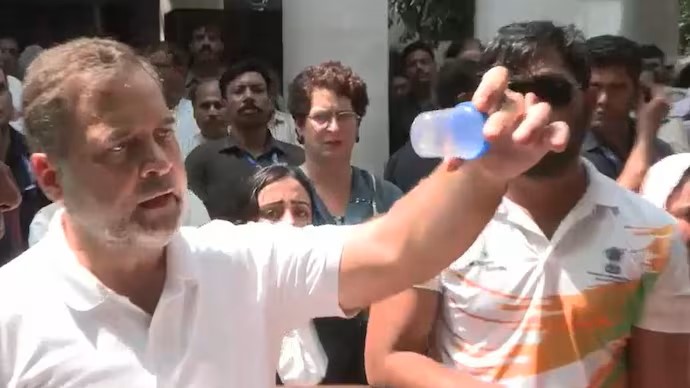
Congress Member of Parliament Rahul Gandhi demonstrated pellets from the body of a 19-year-old protester who was reportedly injured during the anti-NEET paper leak protests that took place on July 20 in Delhi. This revelation occurred during a dharna outside the Parliament Street Police Station on August 21, 2026.

Gandhi alleged that the pellets recovered came from a pellet gun used against Sahil Lochab, who was present with him at the protest site. The demonstration highlighted concerns surrounding the use of force by authorities during the protests orchestrated by a group called the Cockroach Janta Party.

The protest was part of a wider agitation against the National Eligibility cum Entrance Test (NEET) and its implications for students. Participants expressed their discontent over the situation, demanding reforms in the examination process and associated policies.

Call For Official Action

During the dharna, Rahul Gandhi urged the authorities to register a First Information Report (FIR) regarding the alleged use of excessive force by law enforcement. The Congress leader emphasised the need for accountability and action against those responsible for the injuries sustained during the protests.

The demand for an FIR underscored the grievances of many protesters who felt that their rights were being violated. Gandhi’s actions aimed to bring attention to the ongoing issues faced by students in relation to the NEET examination, inciting calls for governmental response.

The protest has drawn significant media attention, shedding light on the broader context of student demonstrations and the tensions between civil society and state authorities. Concerns about the safety and treatment of protesters have been echoed by various stakeholders, including student organisations and activists.

Political Implications and Responses

The political landscape surrounding the recent protests and Rahul Gandhi’s involvement highlights the fragmentation of public opinion regarding the NEET system. Observers have noted that civil unrest, especially within student communities, can have far-reaching implications for local and national political dynamics.

In response to the protests, various political figures have weighed in, with some supporting the students’ right to demonstrate against systemic issues. Others have argued that the NEET process is necessary for streamlining medical education in India.

The discourse reignited around the health sector and education reform follows the agitation, with demands for dialogue between student representatives and governmental bodies emerging. This could pave the way for a review of policies related to entrance examinations, potentially leading to a more inclusive approach in future implementations.

As the situation continues to develop, the focus remains on the need for thorough investigations into the clashes that occurred during such protests. The outcomes may influence upcoming electoral scenarios and the governmental approach towards managing protests, student rights, and law enforcement practices.

Long or Short, get news the way you like. No ads. No redirections. Download Newspin and Stay Alert, The CSR Journal Mobile app, for fast, crisp, clean updates!

App Store –  https://apps.apple.com/in/app/newspin/id6746449540 

Google Play Store – https://play.google.com/store/apps/details?id=com.inventifweb.newspin&pcampaignid=web_share

Latest News

Popular Videos
