


Raghu Rai Dies at 83, Leaves Behind Enduring Visual Legacy
The CSR Journal Magazine

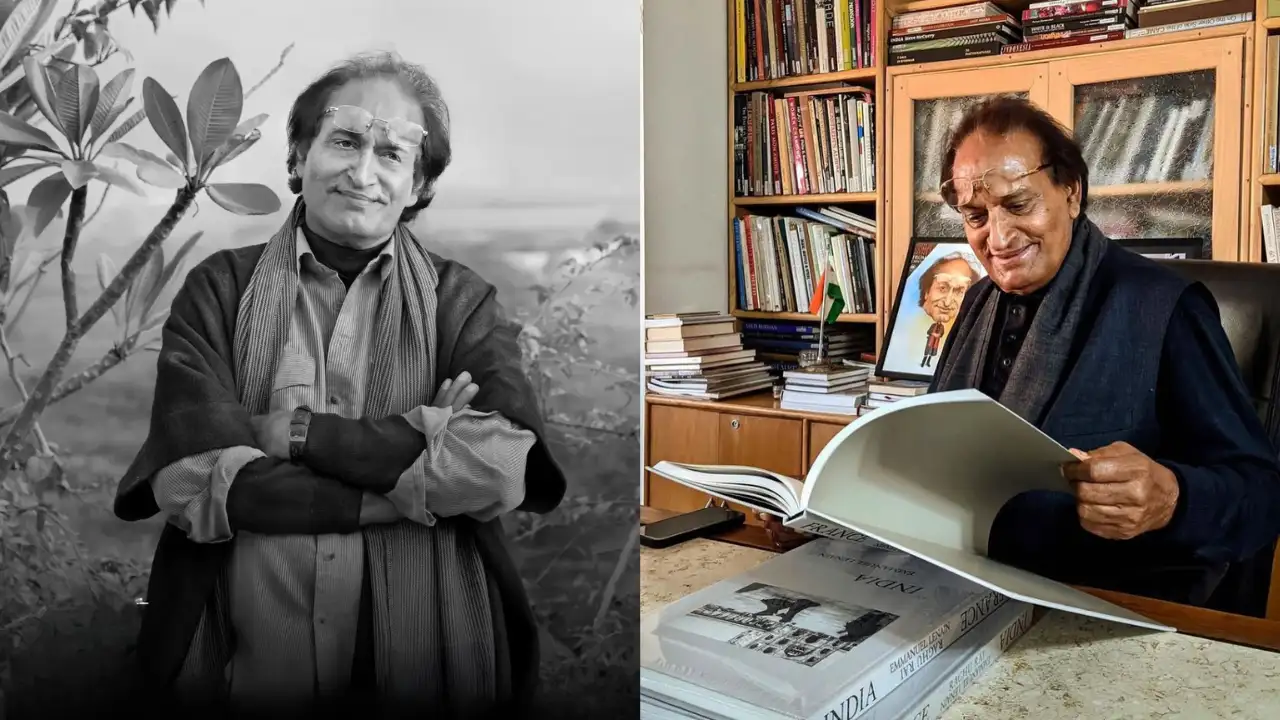
Raghu Rai, a distinguished figure in the realm of photography, passed away on April 26, 2026, at the age of 83. Throughout his remarkable six-decade career, he gained a reputation for capturing the essence of life in his images, often described as both ordinary and magical. For Rai, photography transcended mere visual documentation; he perceived it as a spiritual practice, akin to a pilgrimage that required him to be truly present.

His photographs were reflections of his personality, often delivering more than just visual content. Rai once expressed that his images were about understanding the emotional and energetic dimensions of a moment, enriching the narrative beyond physical appearances. Even in the final weeks of his life, he continued to photograph, illustrating his unwavering commitment to the craft.

Rai’s understanding of photography was deeply intuitive. He believed that situations evolve, and therefore, photographs should too. This philosophy allowed him to maintain a fresh perspective, consistently capturing the transformative power of each moment.

Spirituality Intertwined with Artistry

For Rai, the union of photography and spirituality was profound. His work not only involved keen observation but also a deeper connection with the metaphysical aspects of existence. Those who collaborated with him noted his intense focus and ability to engage fully with the environment. This quality distinguished him as a photographer; he was known to immerse himself completely, regardless of the circumstances or the hierarchy of people around him.

Raj Chengappa, Editorial Director of India Today, shared his experiences working alongside Rai since 1981. He recalled that Rai possessed an incredible ability to notice the details that others would easily overlook. His early career was marked by iconic images that chronicled significant social and political events of the 1970s, including the politically charged moments surrounding Indira Gandhi.

Rai’s ability to convey complex narratives through photography earned him notable accolades, including the Padma Shri in 1972. This recognition highlighted the importance of photojournalism as a vital contributor to society, marking a pivotal moment in its formal acknowledgment as a tool for nation-building.

Defining Moments and Iconic Assignments

One of the defining assignments of Rai’s career was the coverage of the 1981 Meenakshipuram mass conversion, where nearly 300 Dalit families embraced Islam. This event provided a platform for Rai to showcase his unique talent for capturing what lay beneath the surface of ordinary life. An instance during the assignment illustrates his keen insight; he spotted a poignant moment that would become a powerful photograph, depicting a woman observing clerics leave a house.

This image, featuring Nagore Meer in prayer, encapsulated themes of dignity and transformation, rendering it a testament to Rai’s exceptional eye for detail. The photograph conveyed complex emotions that transcended words, demonstrating his ability to communicate profound stories through a single frame.

Rai’s craftsmanship combined artistry with immediacy, resulting in images that resonated deeply with viewers. He described his process as connecting to the “current” of a situation, which allowed him to encapsulate life’s fleeting moments with both speed and precision. This methodological approach greatly contributed to the potency of his work.

A Journey Born from Serendipity

Rai attributed the start of his photographic career to a fortunate accident in the 1960s. While visiting his brother, renowned photographer S Paul, he picked up a camera on a whim and captured a striking image of a donkey. This seemingly trivial act led to the publication of his work in The Times, London, which marked the beginning of an illustrious career.

Although Rai recognised the importance of technique, he placed greater emphasis on the emotional connections within his photographs. He viewed his work as an exploration of life’s deeper questions, seeking to understand the human experience through his lens. His ability to create space within his photographs allowed viewers to engage with the subject matter in a more meaningful way.

Rai’s philosophy kept him grounded; he often conveyed that self-importance could inhibit growth. This perspective informed both his art and life, providing him the unique ability to connect with audiences. As Raj Chengappa noted, the space that Rai occupied in the hearts and lives of those around him will endure long after his passing.

Long or Short, get news the way you like. No ads. No redirections. Download Newspin and Stay Alert, The CSR Journal Mobile app, for fast, crisp, clean updates!

App Store –  https://apps.apple.com/in/app/newspin/id6746449540 

Google Play Store – https://play.google.com/store/apps/details?id=com.inventifweb.newspin&pcampaignid=web_share

Latest News

Popular Videos
