


Pakistan Faces Criticism Over Press Freedom After Journalist Sohraab Barkat’s Arrest Over PoJK Reporting

The CSR Journal Magazine

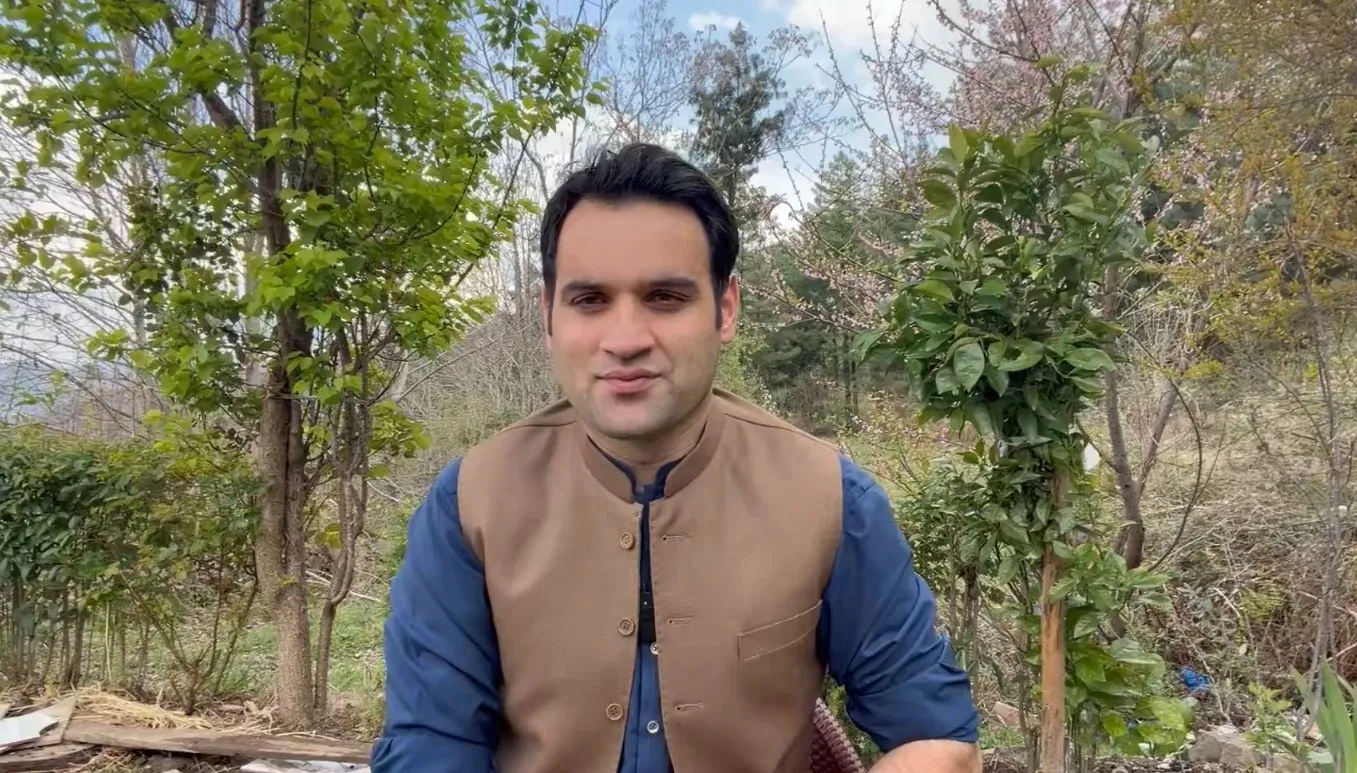
Pakistan has been subject to scrutiny regarding press freedom following the detention of journalist Sohraab Barkat. His arrest, which occurred at his residence in Islamabad on June 5, was prompted by his reporting on unrest in Pakistan-occupied Jammu and Kashmir (PoJK). This action has raised flags about the country’s commitment to media independence, as it follows a pattern of alleged crackdowns on dissenting voices.

Barkat’s arrest is reportedly linked to his YouTube coverage of recent protests in PoJK. The Committee to Protect Journalists (CPJ) noted that upon arrest, authorities confiscated his mobile phone and car keys. Subsequent to this, the National Cyber Crime Investigation Agency (NCCIA) registered a First Information Report (FIR) against him on June 6.

The FIR alleges violations of Pakistan’s Prevention of Electronic Crimes Act (PECA), under which dissemination of information considered “fake” can lead to severe penalties, including up to three years’ imprisonment. Specifically, the legal action references a video posted by Barkat on June 5, discussing the political instability in PoJK.

Background of the Unrest in PoJK

The situation in PoJK has been tense, particularly following the establishment of the Jammu Kashmir Joint Awami Action Committee (JAAC), a grassroots movement that has sparked significant protests. These demonstrations have focused on the allocation of legislative seats for refugees who migrated from India decades ago. The authorities recently categorised JAAC as unlawful under anti-terrorism legislation, leading to an intensified crackdown on its activities.

The unrest triggered by this movement has reportedly resulted in the deaths of at least 15 individuals, alongside numerous arrests across the region. The security response has included internet disruptions aimed at limiting the spread of information regarding ongoing protests. Such measures have further heightened concerns about the state’s approach to civil liberties and press freedom.

Supporters of Barkat and press freedom advocates assert that the actions taken against him reflect a broader strategy to silence dissent in PoJK. The implications of his detention resonate beyond his case, as they signal potential repercussions for other journalists and media practitioners working in politically sensitive areas.

Calls for Release and Advocacy for Journalists’ Rights

In the wake of Barkat’s arrest, CPJ’s Afghanistan-Pakistan Representative Waliullah Rahmani has called for his immediate release. Rahmani has also urged that Barkat’s confiscated belongings be returned and that the use of broad allegations related to misinformation against journalists be addressed. This appeal reflects growing concerns among media rights groups about the escalating hostility towards journalists in Pakistan.

The case has garnered international attention, with various organisations advocating for press freedom in Pakistan. The developments continue to highlight the crucial role of the media in documenting civic unrest and holding governments accountable. As global scrutiny increases, how Pakistan responds to these pressures may affect its international standing and the state of press freedoms in the country.

Previous instances of detentions and the legal challenges facing journalists within Pakistan underscore the ongoing struggle for media independence. The discourse surrounding Barkat’s case thus signifies a pivotal moment for press rights and the protection of journalists in a region fraught with political tensions.

Long or Short, get news the way you like. No ads. No redirections. Download Newspin and Stay Alert, The CSR Journal Mobile app, for fast, crisp, clean updates!

App Store –  https://apps.apple.com/in/app/newspin/id6746449540 

Google Play Store – https://play.google.com/store/apps/details?id=com.inventifweb.newspin&pcampaignid=web_share

Latest News

Popular Videos