


Pakistan Confirms Iranian Military Aircraft Access to Pakistani Airbase Amid Rising US-Iran Tensions

The CSR Journal Magazine

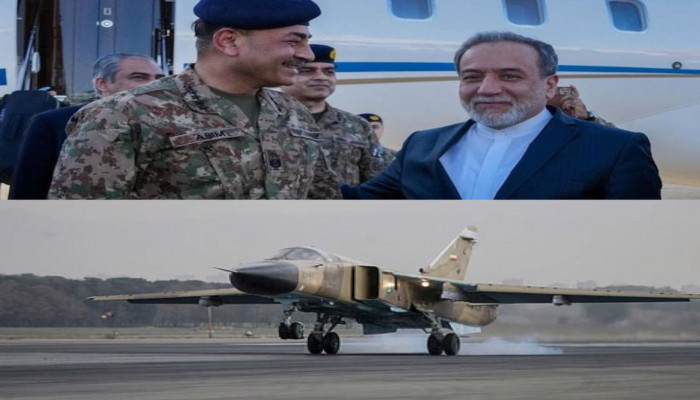
Pakistan has officially acknowledged that it has permitted Iranian military aircraft to use its airbases during the ongoing conflict with the United States. This confirmation adds complexity to Pakistan’s role as a mediator in the negotiations between the two countries. The Ministry of Foreign Affairs (MoFA) issued a statement on May 12, in an apparent attempt to clarify the circumstances involving Iranian aircraft located at the Nur Khan Airbase.

The official statement aimed to dismiss the news reports alleging Iran’s military presence on Pakistani territory. However, it inadvertently affirmed the core information regarding the aircraft’s presence. According to the MoFA, the Iranian planes in Pakistan arrived during a ceasefire period and reportedly have no link to any military operations.

This development coincides with recent assertions from CBS News, which highlighted that Islamabad’s alleged complicity had raised questions about its mediation efforts amid the conflict. The use of Pakistani airbases by Iranian aircraft has reportedly been a tactical move to shield them from American airstrikes.

Details of Iranian Military Aircraft Presence

Reports indicate that shortly after US President Donald Trump’s announcement of a ceasefire with Iran in early April, multiple Iranian military aircraft were dispatched to Pakistan’s Nur Khan Air Base. Among these aircraft was an Iranian Air Force RC-130, a reconnaissance variant of the Lockheed C-130 Hercules.

The MoFA also mentioned that the arrival of these aircraft is tied to the movement of diplomatic personnel and support staff involved in the negotiations. However, the rationale for the continued presence of military reconnaissance planes at a high-security installation remains unclear. This raises questions about the true logistical needs for accommodating such assets.

Pakistan’s role as a mediator is now under scrutiny, with implications that it may be providing cover for Iranian military resources, thereby undermining its stated impartiality in the negotiations. This perceived shift has significant ramifications for Pakistan’s diplomatic relations, particularly with the United States.

Impact on Pakistan’s Diplomatic Standing

The revelations of Pakistan’s support for Iran come at a critical time, as the country simultaneously seeks to maintain positive relations with the US. Following these developments, US Senator Lindsey Graham, a supporter of President Trump, called for a reassessment of Pakistan’s mediating role. He expressed doubt over Islamabad’s reliability, citing past statements related to Israel, which enjoys strong ties with Washington.

This situation has led to growing distrust within the US administration regarding Pakistan’s diplomatic manoeuvres. Reports suggest that some individuals close to Trump have questioned whether Pakistan is accurately conveying the US administration’s position in its discussions with Iran.

Concerns have been raised about whether Pakistan is adequately representing President Trump’s views in the ongoing peace process, with implications for future negotiations. The perception that Islamabad may be softening the Iranian perspective could further complicate its standing with the US, jeopardising its role as a mediator.

The developments indicate that Pakistan’s diplomatic balancing act may be precarious, as it risks losing credibility with both the US and Iran. As the situation evolves, the nation faces challenges that could impact its geopolitical relationships and internal stability in the region.

Long or Short, get news the way you like. No ads. No redirections. Download Newspin and Stay Alert, The CSR Journal Mobile app, for fast, crisp, clean updates!

App Store –  https://apps.apple.com/in/app/newspin/id6746449540 

Google Play Store – https://play.google.com/store/apps/details?id=com.inventifweb.newspin&pcampaignid=web_share

Latest News

Popular Videos