


One in Five Indians Could Be Over 60 by 2050, Rural Areas Face Care Burden
The CSR Journal Magazine

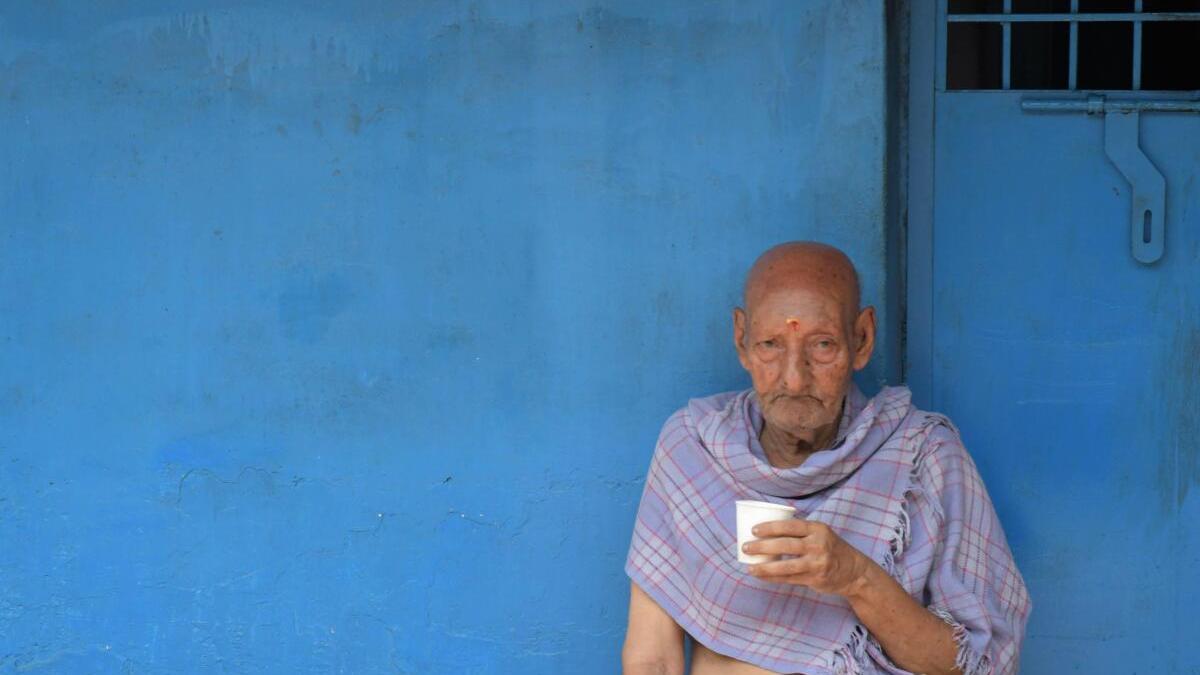
India could have around 347 million people aged over 60 by 2050, representing one in every five citizens, with nearly 70 per cent of the elderly population expected to live in rural areas, according to a new study. The report warns that India is ageing rapidly while undergoing the demographic transition at income levels considerably lower than those of many developed countries when they began ageing.

The findings were published by Transform Rural India (TRI) in a white paper titled “Demographic Transition, Evolving Families and the Future of the Care Ecosystem in Rural India”, which was launched during the organisation’s India Rural Colloquy (IRC). The study cautions that changing family structures, migration and longer life expectancy could place growing pressure on India’s traditional family-based care system.

Rural India Faces Growing Elderly Care Burden

The study estimates that by 2050, nearly seven in 10 older Indians will live in rural areas, creating significant demands on families and community-based care systems.

“By 2050, one in five Indians – around 347 million people – will be over the age of 60, with nearly seven in 10 older adults living in rural India. Unlike many developed nations that became wealthy before their populations aged, India is undergoing this demographic transition at much lower income levels,” the report said.

The support base available to India’s elderly is also expected to shrink. The number of working-age people available to support each older person is projected to decline from 8.4 in 2001 to 5.2 by 2026.

Traditional Family Care Model Under Strain

Drawing on data from the National Family Health Survey (NFHS), the Longitudinal Ageing Study in India, Census projections, Time Use Surveys and other national datasets, the report said India’s traditional family-based care system is facing increasing pressure.

Smaller families, migration of younger people in search of employment and rising life expectancy are reducing the number of family members available to provide care. Despite these changes, nearly 94 per cent of care for older people is still provided within households, according to the study.

The caregiving burden also remains heavily concentrated among women. The report found that women spend around 305 minutes a day on unpaid care work, compared with 56 minutes for men, limiting their participation in the workforce.

Climate Change Adds to Caregiving Pressure

The study identified climate change as another emerging challenge for India’s care ecosystem. Extreme weather events, including heatwaves and floods, are increasing the amount of unpaid care work undertaken by women.

At the same time, India’s disease profile is changing, with non-communicable diseases (NCDs) such as diabetes, cardiovascular diseases and cancer accounting for nearly two-thirds of all deaths in the country.

The report also noted that an increasing proportion of India’s health burden comes from people living for longer periods with chronic illnesses and disabilities rather than dying prematurely.

Healthcare System Needs to Adapt

According to the white paper, India’s healthcare system was largely developed around episodic interventions such as childbirth, immunisation programmes and treatment of acute illnesses. The authors argue that this approach is inadequate for the needs of an ageing population.

“The next phase of healthcare is about supporting people living with chronic illnesses, disabilities and the challenges of ageing — something hospitals alone cannot do,” the white paper said.

The study argues that care for older people and those living with chronic conditions will increasingly need to extend beyond hospitals and formal healthcare facilities into communities and households.

TRI Proposes ‘Neighbourhood of Care’ Model

To address the emerging challenge, Transform Rural India has proposed a “neighbourhood of care” model that would bring existing rural institutions together into an integrated community-based care network.

The proposed system would connect Gram Panchayats, self-help groups, ASHA workers, Anganwadi centres and Ayushman Arogya Mandirs, with the aim of ensuring that integrated care services are available within walking distance of every household.

According to the report, rural India does not necessarily require entirely new infrastructure. Instead, it needs stronger coordination between institutions that already operate within communities.

Care Economy Could Create 11 Million Jobs

The white paper also identifies the growing demand for care as a potential source of employment, particularly for women in rural areas. It estimates that investment equivalent to 2 per cent of India’s GDP in the care economy could generate around 11 million jobs.

Shyamal Santra, Practice Director at Transform Rural India, said India’s progress in extending survival now needs to be followed by efforts to improve the quality of life of people living longer.

“India has made remarkable progress in helping people survive. The next challenge is ensuring they can live well for longer. Our demographic transition requires us to redesign care delivery itself – beyond facility-based care, it will require to facilitate as shared community function and improving sustainable living conditions,” Santra said.

He added that many of the institutions required to build such a system are already present across rural India.

“The institutions needed to make this possible already exist across rural India. By connecting them through a common care mandate, an eco-system needs to be built that supports families, caregivers, strengthens local governance and prepares villages for the decades ahead,” he said.

Long or Short, get news the way you like. No ads. No redirections. Download Newspin and Stay Alert, The CSR Journal Mobile app, for fast, crisp, clean updates!

App Store –  https://apps.apple.com/in/app/newspin/id6746449540 

Google Play Store – https://play.google.com/store/apps/details?id=com.inventifweb.newspin&pcampaignid=web_share

Latest News

Popular Videos
