


Mumbai Records Wettest Start to July in 27 Years Amid Flooding
The CSR Journal Magazine

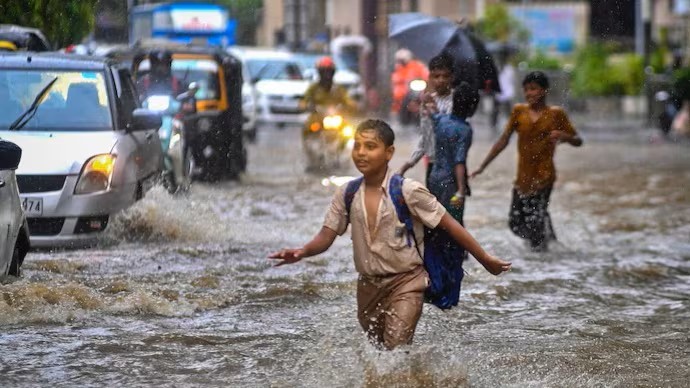
This year, Mumbai has faced relentless and exceptional monsoon conditions. Record-breaking torrential downpours have led to significant flooding across the city, causing substantial disruptions to both transport networks and daily life. Schools, colleges, and various government offices were forced to close as the situation worsened.

According to the analysis of rainfall data from the India Meteorological Department (IMD), Mumbai received approximately 1,240 millimetres of rain from June 1 to July 6. This figure marks the highest recorded in 27 years for this time frame. By July 6, the city had obtained more than sixty per cent of its average seasonal monsoon rainfall, even with nearly three months remaining in the monsoon season.

As locals navigate the waterlogged streets, the intensity and frequency of rainfall have caught many by surprise. The IMD categorised two days during this period as exhibiting “extremely heavy” rainfall, which is defined as precipitation of 204.5 millimetres or more within twenty-four hours.

Factors Behind the Heavy Rainfall

Several weather systems have converged to create such extraordinary rainfall across Mumbai. A highly active southwest monsoon, combined with a well-defined low-pressure system and the monsoon trough remaining close to the west coast, have resulted in continuous moisture-laden winds originating from the Arabian Sea.

According to the analysis, Mumbai received over 750 millimetres of rain between July 2 and July 6 alone. On July 5, specific areas in the city were reported to have received more than 225 millimetres of rainfall, indicating the extent of the downpour. The rainfall data from IMD further showed that by July 6, the Santacruz observatory recorded 898.4 millimetres, while Colaba logged 823.4 millimetres, numbers that exceed their respective average monthly rainfall for July.

This alignment of weather systems underpins the unusually severe conditions faced by the city, highlighting the complexity of monsoon patterns in the region.

Impact of Urbanisation on Flooding

The persistent rainfall has led to constant waterlogging and extensive disruptions in Mumbai. Experts have pointed to rapid urbanisation as a contributing factor, emphasising that the conversion of open land into roads and buildings has significantly diminished the city’s ability to absorb rainwater. Consequently, more runoff flows into drainage systems originally designed for a smaller urban footprint.

This rapid urban growth means that even rainfall amounts significantly lower than those recorded in 2005 can overwhelm existing drainage infrastructure. As a result, low-lying areas are increasingly prone to flooding, and transport routes can be disabled in a matter of hours.

The IMD has announced that the southwest monsoon is expected to remain active over the Konkan region for the next several days, with ongoing spells of both heavy and very heavy rainfall anticipated. As the peak monsoon season progresses, Mumbai must brace for continued vulnerabilities to seasonal flooding, transport disruptions, and other weather-related hazards.

Long or Short, get news the way you like. No ads. No redirections. Download Newspin and Stay Alert, The CSR Journal Mobile app, for fast, crisp, clean updates!

App Store –  https://apps.apple.com/in/app/newspin/id6746449540 

Google Play Store – https://play.google.com/store/apps/details?id=com.inventifweb.newspin&pcampaignid=web_share

Latest News

Popular Videos
