


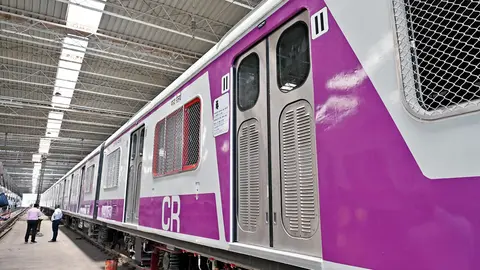

The introduction of non-AC automatic doors on Mumbai’s local trains aims to enhance passenger convenience and reduce energy consumption. Officials from the Mumbai Railway Vikas Corporation (MRVC) have indicated that these doors will facilitate smoother boarding and alighting, especially during peak hours when congestion is a common issue.
This modification is expected to provide a more efficient travel experience for the millions who rely on the local train service each day. By opting for non-AC doors, the rail authorities further intend to maintain a balance between passenger comfort and operational costs.
One of the critical aspects of this initiative is to address the rising demand for a more accessible and user-friendly public transport system. The integration of automatic doors is anticipated to streamline the flow of passengers, thereby reducing instances of delays caused by overcrowding during rush hours.
Technical Specifications and Features
The new automatic doors are designed to be user-friendly and energy-efficient. Unlike their air-conditioned counterparts, these non-AC doors will operate without the added energy expenses associated with climate control. The design prioritises safety and is equipped with sensors to ensure that they only open when the train is stationary, minimising the risk of accidents.
Additionally, the installation of these doors will modernise the current fleet of local trains. The realignment of key structural components is part of a broader strategy to enhance the overall infrastructure of Mumbai’s suburban rail network. The MRVC plans to implement this project in phases, ensuring that disruptions to service are kept to a minimum.
Stakeholders have noted that this shift towards automatic doors aligns with global best practices in public transportation. Such advancements not only improve efficiency but also contribute to a safer environment for commuters. Local officials have asserted that careful monitoring will be conducted throughout the rollout of this initiative.
Community Reactions and Future Prospects
<h4Conversely, a segment of the passenger base is wary about the comfort levels, given the typical temperatures experienced in Mumbai. These commuters fear the removal of air conditioning options could lead to unpleasant travel conditions during the hotter months. Officials are taking these concerns into account as they move forward with the implementation.