


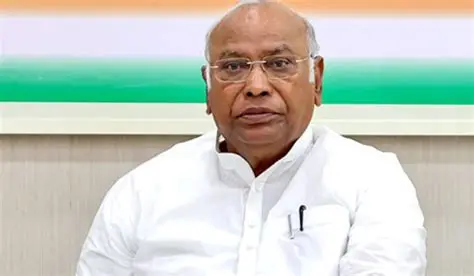
Mallikarjun Kharge Requests PM to Convene All-Party Meeting on Delimitation Bill
The CSR Journal Magazine

Congress President Mallikarjun Kharge has formally requested Prime Minister Narendra Modi to organise an all-party meeting regarding the anticipated revival of a Constitution amendment bill associated with delimitation. This comes as the government is reportedly preparing to reintroduce the bill during the forthcoming Monsoon Session of Parliament.

In his communication, Kharge emphasised the need for political parties to be given sufficient time to examine the proposed revisions before they are tabled in Parliament. His request highlights concerns over the timely discussion of important legislative matters affecting various political factions.

Kharge’s appeal follows prior attempts he made to engage the government on this issue. He had previously written to Parliamentary Affairs Minister Kiren Rijiju in March and April, urging for an all-party dialogue about the government’s plans relating to delimitation. However, his earlier requests reportedly went unanswered.

Legislative Background and Recent Developments

The Constitution (131st Amendment) Bill, 2026, did not achieve the necessary majority in the Lok Sabha on 17 April, 2026, falling short of the required two-thirds majority by a significant margin. Kharge referenced this failure, explaining that it came after the government was unable to secure enough votes despite having a substantial number of MPs in the House.

Current reports suggest that the government is working on fresh formulations aiming to increase the number of Lok Sabha seats for all states by fifty per cent. This proposal is particularly motivated by apprehensions regarding representation in southern states, which fear a population-based delimitation could diminish their political influence.

Amidst ongoing discussions, Kharge expressed concerns about the lack of political consensus, stressing the necessity for comprehensive consultations before progressing with any new legislative proposals. He specifically pointed out that such discussions are essential, especially considering the implications for the upcoming Lok Sabha elections in 2029.

Government’s Objectives and Legislative Challenges

The government has indicated a desire to pass the delimitation bill to enable the effective implementation of the women’s reservation law before the 2029 elections. Currently, the law stipulates that the reservation for women cannot come into force until 2034, contingent on the completion of the delimitation process following the 2027 Census.

If implemented, the plan proposes raising the number of Lok Sabha seats from 543 to a maximum of 850. This move aims to operationalise the women’s quota law ahead of the next parliamentary elections, necessitating amendments in the Nari Shakti Vandan Adhiniyam.

Kharge’s insistence on broader consultations highlights the complexities surrounding the legislation and underlines the significance of achieving bipartisan agreement on such crucial legislative matters. His call for an all-party meeting emphasises the importance of inclusivity in the decision-making process.

As the government prepares to introduce revised proposals, Kharge continues to advocate for transparency and collaboration among political entities in navigating these critical amendments. The outcome of this ongoing discourse may significantly impact the political landscape ahead of the 2029 Lok Sabha elections.

Long or Short, get news the way you like. No ads. No redirections. Download Newspin and Stay Alert, The CSR Journal Mobile app, for fast, crisp, clean updates!

App Store –  https://apps.apple.com/in/app/newspin/id6746449540 

Google Play Store – https://play.google.com/store/apps/details?id=com.inventifweb.newspin&pcampaignid=web_share

Latest News

Popular Videos
