


Make in India Completes 12 Years: Ashwini Vaishnaw Highlights India’s Smartphone Manufacturing Growth

The CSR Journal Magazine

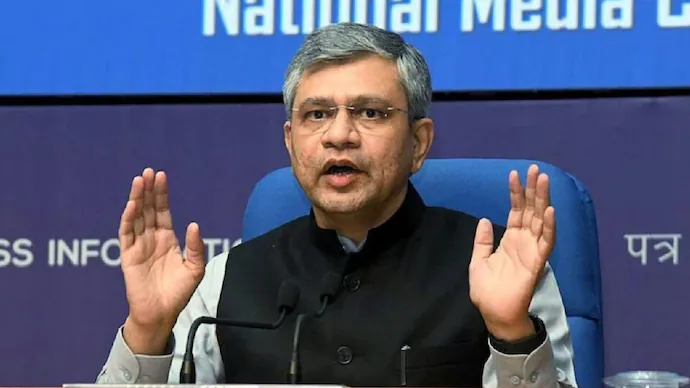
The Make in India initiative, launched by Prime Minister Narendra Modi on September 25, 2014, at Vigyan Bhawan in New Delhi, marks its twelfth anniversary this year. Union Electronics and IT Minister Ashwini Vaishnaw has indicated that the smartphone manufacturing sector is poised for further expansion. In a recent post on X, Vaishnaw provided an overview of the current state and future plans for smartphone production within the country.

Vaishnaw emphasised that India has progressed significantly beyond mere assembly; the focus will now shift towards producing components and materials essential for smartphones. He remarked, “India already makes the phone. Now, we’re going deeper – manufacturing what goes inside it,” reflecting the government’s commitment to bolstering local production capabilities.

India Becomes Major Player in Global Smartphone Manufacturing

India has emerged as the second-largest manufacturer of smartphones globally, producing approximately 330 million devices annually, according to official data. In the fiscal year 2023-24, it was reported that 99.2 per cent of mobile phones sold in India were locally manufactured, a marked increase from just 26 per cent a decade ago. This remarkable growth illustrates the success of the Make in India initiative and highlights its impact on the economy.

Minister Vaishnaw outlined the critical developments, particularly in battery manufacturing, as a strategic focus area. He revealed that domestic production of battery cells has already commenced and plans are underway to deepen the country’s capabilities in this domain. Specific advancements, such as the establishment of a battery cell facility by the Japanese company ATL in Manesar, Haryana, are significant steps towards self-sufficiency in battery production, with an investment of Rs 3,000 crore.

Furthermore, Vaishnaw mentioned an array of components necessary for battery production, including synthetic graphite for lithium-ion cells. He expressed confidence that additional materials, such as additives required for enhancing battery performance, would also be produced within India. This reinforces the potential for India to expand its role in the global electronics manufacturing landscape.

Incentives for Domestic Manufacturing Under New Scheme

The government recently announced the Mobile Phone Manufacturing Scheme (MPMS), worth Rs 62,500 crore, aimed at incentivising local manufacturing and supporting Indian smartphone brands. This scheme will be effective for five years, from fiscal year 2026-27 to fiscal year 2030-31. Incentives will range from 2.25 per cent to 5 per cent based on production levels, benefiting domestic manufacturers particularly.

In addition to traditional brands, new entrants in the smartphone market, including Mivi and Boltt, have emerged recently. Notably, the London-based smartphone maker Nothing has revealed plans to transform its spin-off brand CMF into an independent entity in India, with Indian manufacturer Optiemus acquiring a majority stake in CMF.

Moreover, notable global brands such as Apple have significantly ramped up their production in India. The nation is now recognised as the largest exporter of smartphones to the United States, driven largely by the success of iPhones. Reports indicate that the iPhone 18 Pro series is being manufactured in India from the outset, with 80 to 90 per cent of production directed towards exports. Currently, one in every four iPhones is reportedly made in India, underscoring the increasing prominence of Indian manufacturing in the global market.

Long or Short, get news the way you like. No ads. No redirections. Download Newspin and Stay Alert, The CSR Journal Mobile app, for fast, crisp, clean updates!

App Store –  https://apps.apple.com/in/app/newspin/id6746449540 

Google Play Store – https://play.google.com/store/apps/details?id=com.inventifweb.newspin&pcampaignid=web_share

Latest News

Popular Videos