


Protests Over Wage Demands Cause Factory Closures in Bangladesh
The CSR Journal Magazine

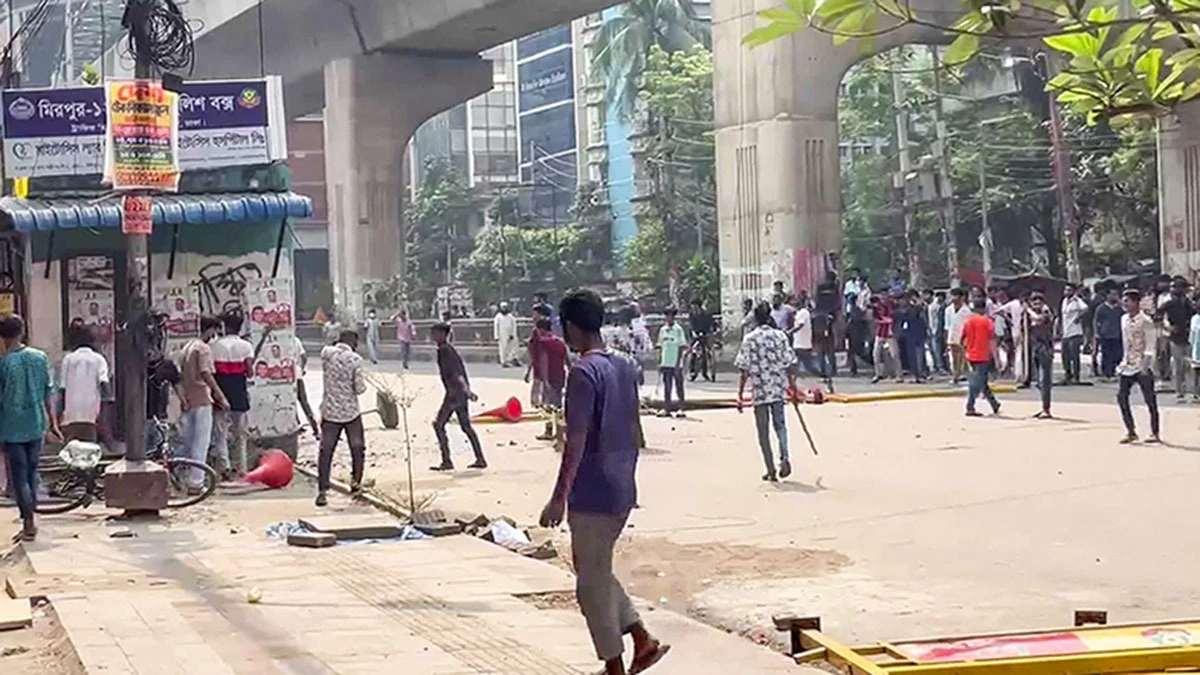
The ongoing protests in Bangladesh have resulted in the suspension of operations at numerous garment factories, posing a significant threat to the nation’s economy. Reports indicate that 414 factories in the Gazipur and Savar areas of Dhaka have halted production, with estimates suggesting that the total could reach between 500 and 600 factories. The protests, which began several days ago, have escalated into violent clashes between demonstrators and police, leading to incidents of vandalism in various locations.

Tragically, the protests have already resulted in the death of a 21-year-old worker, Toufiq Sheikh, who sustained severe injuries while documenting the unrest. His death has intensified the calls for higher wages among the garment workers, who are demanding an increase in the minimum wage from Tk 12,500 to Tk 30,000.

The ready-made garment (RMG) sector, valued at nearly $40 billion, is crucial to Bangladesh’s economy, accounting for approximately 80 to 84 per cent of the country’s total export earnings. The industry also supports around four million workers and contributes 8.5 per cent to the nominal Gross Domestic Product (GDP) for the fiscal year 2025, as per the Bangladesh Bank’s quarterly review.

Government Response and Wage Board Formation

In response to the escalating protests, the Bangladesh government established a six-member Minimum Wage Board on November 1, 2026, to evaluate the wage structure for garment workers. The government has urged workers to return to their jobs while the board conducts its review. However, this call has not quelled the demonstrations, which have persisted for several days.

Workers have expressed that their demands are driven by the rising cost of living, exacerbated by inflation, which stood at 8.34 per cent in September, slightly up from 8.26 per cent in August. Although the prices of some vegetables have decreased, the costs of protein-rich foods and essential items remain high. Non-food inflation has also surged to 9.22 per cent due to rising energy and fuel prices.

The Minimum Wage Board, which includes representatives from both employers and workers, aims to finalise a new wage structure by December, with implementation expected in January. However, this timeline has done little to alleviate the unrest among workers, who continue to demand immediate changes.

Economic Implications of the Protests

The timing of the protests is particularly critical for Bangladesh’s garment industry, which relies heavily on timely production cycles to fulfil international orders. The disruptions come at a pivotal moment for spring and summer export orders, and prolonged unrest could lead international buyers to reconsider their sourcing strategies.

Industry representatives have raised concerns about their ability to meet financial obligations if factory closures persist. The Bangladesh Garment Manufacturers and Exporters Association (BGMEA) has indicated that factories may have to implement a ‘no work, no pay’ policy if operations cannot resume soon.

While the demand for a near 140 per cent increase in the minimum wage raises questions about economic viability, stakeholders are aware of the potential consequences of failing to address workers’ grievances. The protests reflect a deeper issue within Bangladesh’s garment sector, highlighting the tension between low-cost manufacturing and the rising costs of maintaining a sustainable workforce.

As the government navigates this complex situation, the challenge lies in reaching a compromise that satisfies both workers and manufacturers. Failure to resolve the ongoing conflict could result in significant losses for both parties, as workers risk losing their livelihoods while factory owners face the prospect of diminished production and international trust.

Long or Short, get news the way you like. No ads. No redirections. Download Newspin and Stay Alert, The CSR Journal Mobile app, for fast, crisp, clean updates!

App Store – https://apps.apple.com/in/app/newspin/id6746449540

Google Play Store – https://play.google.com/store/apps/details?id=com.inventifweb.newspin&pcampaignid=web_share

Latest News

Popular Videos
