


Maharashtra Tribal Children Write to CM, Request Free Education Until Age 18
The CSR Journal Magazine

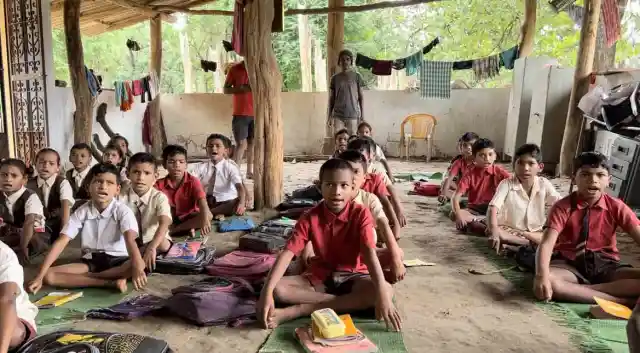
Thousands of tribal children from four districts in Maharashtra have initiated a campaign to request the state government to extend free and compulsory education to all children up to the age of 18. The initiative, which began on July 2, involved children using yellow postcards to convey their message to Chief Minister Devendra Fadnavis. The initiative was spearheaded by the tribal rights organisation Shramjeevi Sanghatana, which aimed to raise awareness about educational needs.

During the week-long campaign, some children personally delivered postcards to local postmasters, while others placed them in collection boxes that were thoughtfully decorated and positioned in their schools. The overall aim was to ensure that their voices were heard and that the Chief Minister would take notice of their request.

Approximately 1.5 lakh children from Palghar, Thane, Nashik, and Raigad districts participated in this initiative, which culminated in the posting of the postcards. The children specifically urged the Chief Minister to fulfil their educational demands through these messages, highlighting their hope for a better future.

Communication with the Chief Minister’s Office

Representatives from Shramjeevi Sanghatana met with Chief Minister Devendra Fadnavis on July 5, 2026, where they presented a memorandum that included an oversized version of the children’s postcard. This direct communication aims to emphasise the importance of the subject and to advocate for changes in the existing education policies.

The current Right to Education (RTE) Act guarantees free and compulsory education only up to the age of 14. However, Shramjeevi Sanghatana is calling for a proactive approach from the Maharashtra government to expand this mandate to encompass all children from ages 3 to 18. The organisation argues that extending this provision is crucial for ensuring comprehensive access to education.

This proposed extension aligns with the guidelines laid down in the National Education Policy (NEP) 2020. It also resonates with specific recommendations from NITI Aayog aimed at improving senior secondary education in the country. The connection between these policies highlights the need for a structured educational framework that supports children from all backgrounds.

Significance of the Initiative

This campaign not only reflects the children’s aspirations but also brings attention to the wider issue of educational inequity in tribal areas. By engaging in this postcard initiative, children are taking an active role in advocating for their rights and pressing for necessary policy changes. Such grassroots movements are essential in helping to amplify the voices of underprivileged communities.

The efforts of Shramjeevi Sanghatana and the enthusiastic participation of tribal children illustrate a strong desire for educational opportunities that are currently unavailable to many. This collective action serves as a reminder of the importance of addressing educational disparities, particularly in areas with significant tribal populations.

With their efforts now attracting attention at the highest levels of government, it remains to be seen how the Maharashtra government will respond. The campaign has not only initiated dialogue regarding educational reform but also encouraged wider societal awareness of the challenges faced by tribal communities in accessing quality education.

Long or Short, get news the way you like. No ads. No redirections. Download Newspin and Stay Alert, The CSR Journal Mobile app, for fast, crisp, clean updates!

App Store –  https://apps.apple.com/in/app/newspin/id6746449540 

Google Play Store – https://play.google.com/store/apps/details?id=com.inventifweb.newspin&pcampaignid=web_share

Latest News

Popular Videos
