


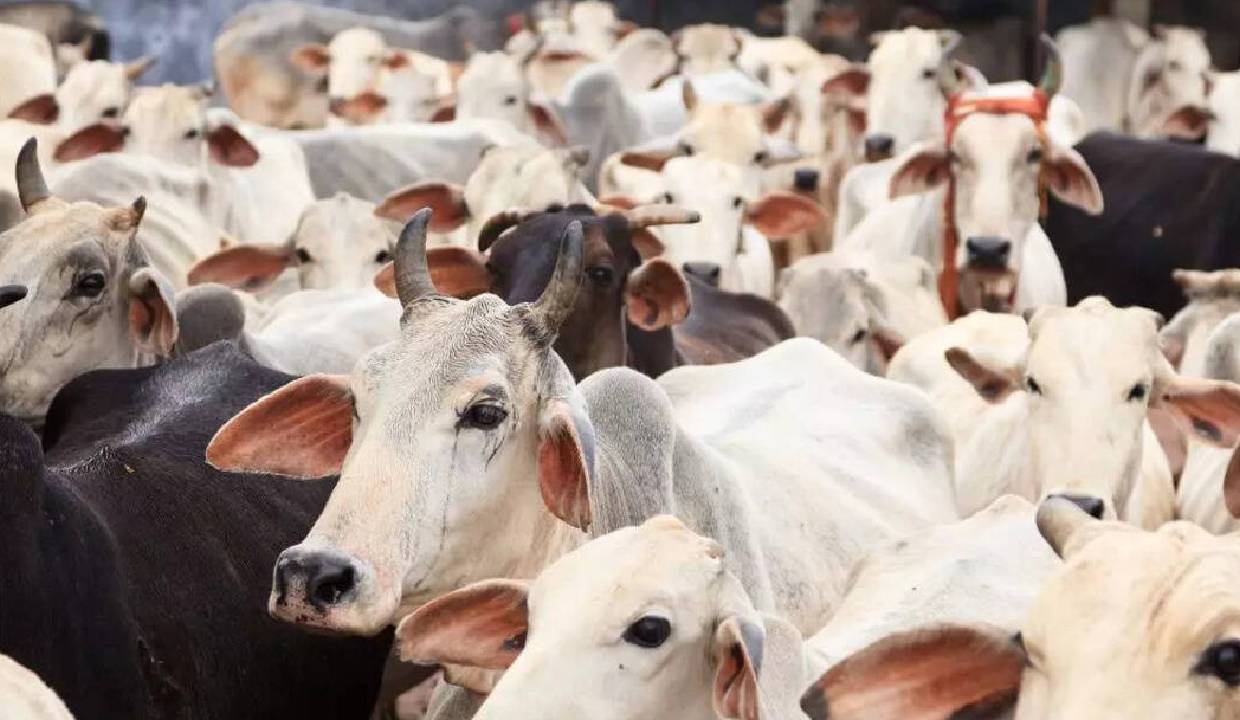

The Madras High Court has mandated the Tamil Nadu government to ensure that no cow or calf is slaughtered during the Bakrid festival or any other time across the state. This decision stemmed from a writ petition aimed at preventing the slaughter of these animals in public areas. The ruling was delivered by a division bench consisting of Justice GR Swaminathan and Justice V Lakshminarayanan.
The judges specifically instructed senior state officials, including the Chief Secretary and the Additional Director General of Police (Law and Order), to disseminate necessary instructions to enforce this order fully. The bench asserted that government officials must act promptly to prevent any violations of the ruling.
The court’s order highlighted that animal slaughter should only occur in approved slaughterhouses and not in temporary or unauthorised locations. This directive is intended to uphold the legal frameworks governing animal slaughter in the state.
Legal Concerns Over Temporary Slaughter Facilities
This ruling emerged during the hearing of a public interest petition filed by K Surya, a resident of Coimbatore. He alleged that plans were being made to slaughter cows in non-permitted open areas during the Bakrid festivities. The bench reacted critically against a police affidavit that mentioned the identification of temporary facilities for this purpose, questioning the legality of such arrangements.
The judges emphasised that law enforcement agencies lack the authority to designate slaughter zones independently. Only designated authorities possessing legal and statutory power can recognise a site as a lawful facility for animal slaughter.
In addition, the bench referred to Article 48 of the Indian Constitution, which encourages the state to take measures for the prohibition of cow slaughter. This reference underlines the legal framework that supports the court’s ruling against the slaughtering of these animals.
Religious Context of Cow Sacrifice
The court also referenced precedents from the Supreme Court regarding the nature of animal sacrifice in Islam. The bench noted that sacrificing a cow during Bakrid is not an essential part of Islamic practice. They observed that many Muslims do not carry out this act as a mandatory expression of their faith.
<h4“The Hon’ble Supreme Court indicated that the sacrifice of a cow on Bakrid is not an obligatory act of worship for Muslims,” the bench stated. The ruling clarified that while Muslims may sacrifice animals for religious purposes, cow slaughter is not the sole method to fulfil this requirement.