


Kings and Maharajas Developed Unique Cooling Techniques for Their Palaces
The CSR Journal Magazine

Kings and maharajas strategically built their palaces close to natural water bodies and lush greenery, which played a crucial role in maintaining a comfortable indoor environment. Lakes, ponds, and gardens not only beautified the surroundings but also naturally cooled the air. The presence of water bodies helped in reducing the ambient temperature, while the humidity added moisture to the atmosphere, contributing to a more pleasant climate.

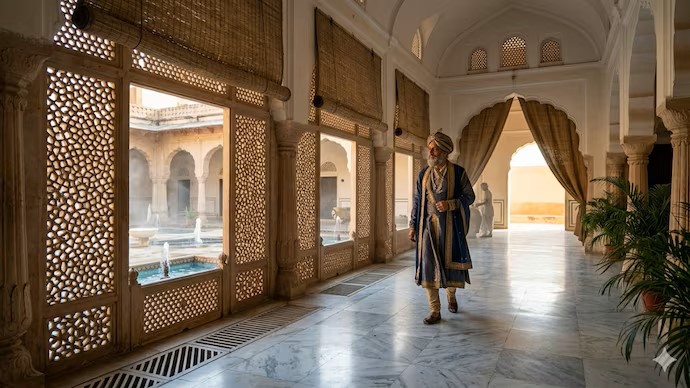
Additionally, large fountains were installed in the courtyards of these palaces. As the breeze passed over the water, it became cooler before entering the rooms, thus providing a refreshing atmosphere indoors. Some Mughal palaces reportedly used substantial water vessels inside the spaces to enhance comfort levels even further.

Natural Ventilation Techniques in Palace Architecture

The ingenious design of ancient palaces included features like wind catchers, known as Baadgir. These tall, rooftop structures were built to capture the cooler air from outside and direct it into the interiors. The natural process of airflow facilitated an effective ventilation system, where warm air could escape through openings at the top while cooler air filled the lower areas. This innovative method eliminated the need for any kind of mechanical ventilation.

The concept of wind catchers is believed to have originated in Yazd, Iran, and it was later integrated into the architecture of Indian palaces situated in hot regions. This allowed royal residences to remain airy and comfortable, even under extreme heat conditions.

The thickness of the walls also contributed significantly to the cooling effect. Constructed from materials such as mud, limestone, and sandstone, these walls were efficient at insulating the interiors against the summer heat and storing coolness during the night.

Advanced Cooling Features in Palace Design

The architectural design of these palaces included traditional jali windows and jharokhas, which were not merely ornamental. These intricately carved lattice screens facilitated airflow while simultaneously filtering out harsh sunlight. The structure promoted natural cross-ventilation, effectively allowing hot air to escape while welcoming fresh air inside. Iconic examples, such as the Hawa Mahal in Jaipur, illustrate the efficacy of these designs in managing the challenging climate of Rajasthan.

Stepwells, or baolis, also played an essential role in the cooling systems of these palaces. Their deep, water-filled structures created a microclimate that helped regulate temperatures in nearby areas. Some palaces featured concealed clay pipes within walls and ceilings, through which water flowed continuously, cooling the stone surfaces from the inside. Notable examples are found in structures like the Lotus Mahal in Hampi and Agra Fort, highlighting advanced cooling systems long before the advent of modern air conditioning.

Furthermore, palatial designs often incorporated high ceilings, expansive courtyards, and spacious verandas to enhance ventilation. The high ceilings allowed hot air to rise, maintaining lower temperatures at the living level. Sloping sunshades, or chajjas, were also utilized to block direct sunlight while still permitting airflow, which protected the walls during heavy rain.

Significance of Ancient Cooling Methods in Modern Context

In the contemporary context, as temperatures continue to soar, architects are revisiting these ancient cooling techniques to promote sustainable living. Passive cooling strategies such as jalis, courtyards, and water-based ventilation systems align with eco-friendly principles, reducing reliance on energy-intensive cooling systems.

Long before air conditioning was introduced in India around 1930, ancient builders had already established effective methods for maintaining a comfortable indoor climate by harnessing airflow, water, and thoughtful construction techniques. Their legacy provides valuable insights for sustainable practices in a world increasingly affected by climate change.

Long or Short, get news the way you like. No ads. No redirections. Download Newspin and Stay Alert, The CSR Journal Mobile app, for fast, crisp, clean updates!

App Store –  https://apps.apple.com/in/app/newspin/id6746449540 

Google Play Store – https://play.google.com/store/apps/details?id=com.inventifweb.newspin&pcampaignid=web_share

Latest News

Popular Videos
