


Kerala High Court Acquits Woman in Child Death Case, Cites Mental Health Condition at Time of Incident

The CSR Journal Magazine

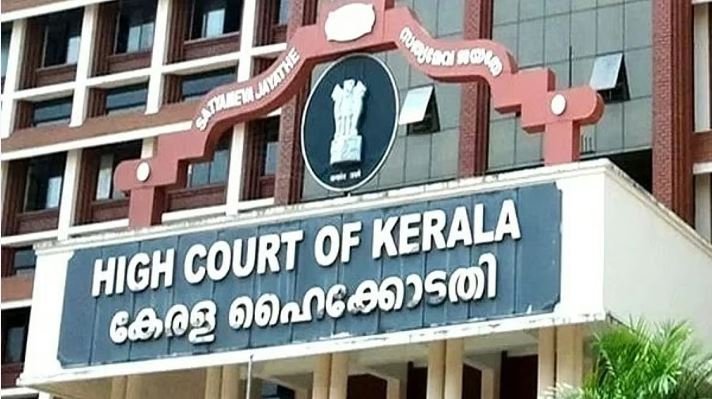
The Kerala High Court has acquitted a woman previously convicted and sentenced to life imprisonment for the alleged murder of her 15-month-old child in 2016. The court’s decision was influenced by the Mental Healthcare Act, which protects individuals from punishment under the Indian Penal Code (IPC) if they attempt suicide due to mental health problems. The judgement was delivered on June 8, 2026, after the court assessed that the woman was suffering from severe mental distress during the incident.

The High Court’s Rationale

The justices Raja Vijayaraghavan V and K V Jayakumar noted that the Act has retrospective effects, having come into force in 2018, and was applicable given that the trial commenced in 2021. The High Court underscored that the Sessions Court failed to consider the mental health implications when delivering its verdict. The woman had reportedly attempted suicide through an overdose of paracetamol and self-inflicted injuries, accompanied by a suicide note, which the court considered as significant evidence indicating her mental distress during the time of the crime.

The justices expressed concern regarding the prosecution’s approach, stating that it had not adequately pursued the charges under Section 309 of the IPC, which addresses the attempt to commit suicide. The court indicated that the failure to substantiate this specific charge by the prosecution played a crucial role in the High Court’s assessment. Moreover, the prosecution’s argument—that the presumption of severe stress under Section 115 of the Mental Healthcare Act did not apply due to the acquittal under Section 309—was rejected by the High Court.

The bench clarified that the rationale used by the Sessions Judge was fundamentally flawed, guiding the decision to acquit her. The defence had contended that the injuries sustained by the woman were not lethal, which the High Court dismissed, stating that the core focus of the law pertains to the attempt itself, and not the potential for fatal outcomes following such acts.

Details of the Woman’s Situation

The woman had filed an appeal challenging the November 2023 conviction, arguing that her actions were a result of prolonged abuse and harassment from her husband and in-laws. She maintained that they had accused her of infidelity and questioned the legitimacy of her child, contributing to her mental trauma. Furthermore, allegations of persistent demands for dowry and both mental and physical cruelty were raised, describing a cumulative effect that left her in a state of deep psychological distress.

On the date of the incident, February 16, 2016, the woman claimed to have taken a substantial dose of paracetamol. Following the overdose, she lost consciousness and was unable to recall the circumstances surrounding her child’s death. The court found that these claims were pertinent to understanding her state of mind and the events leading to her actions.

In its final ruling, the High Court affirmed that the presumption of severe mental stress was applicable to this case, thereby absolving her of criminal liability under the IPC. The court’s decision not only invalidated the previous conviction but also reinforced the implications of mental health considerations in legal verdicts.

Long or Short, get news the way you like. No ads. No redirections. Download Newspin and Stay Alert, The CSR Journal Mobile app, for fast, crisp, clean updates!

App Store –  https://apps.apple.com/in/app/newspin/id6746449540 

Google Play Store – https://play.google.com/store/apps/details?id=com.inventifweb.newspin&pcampaignid=web_share

Latest News

Popular Videos