


Keir Starmer Resigns As UK Prime Minister After Two Years In Office
The CSR Journal Magazine

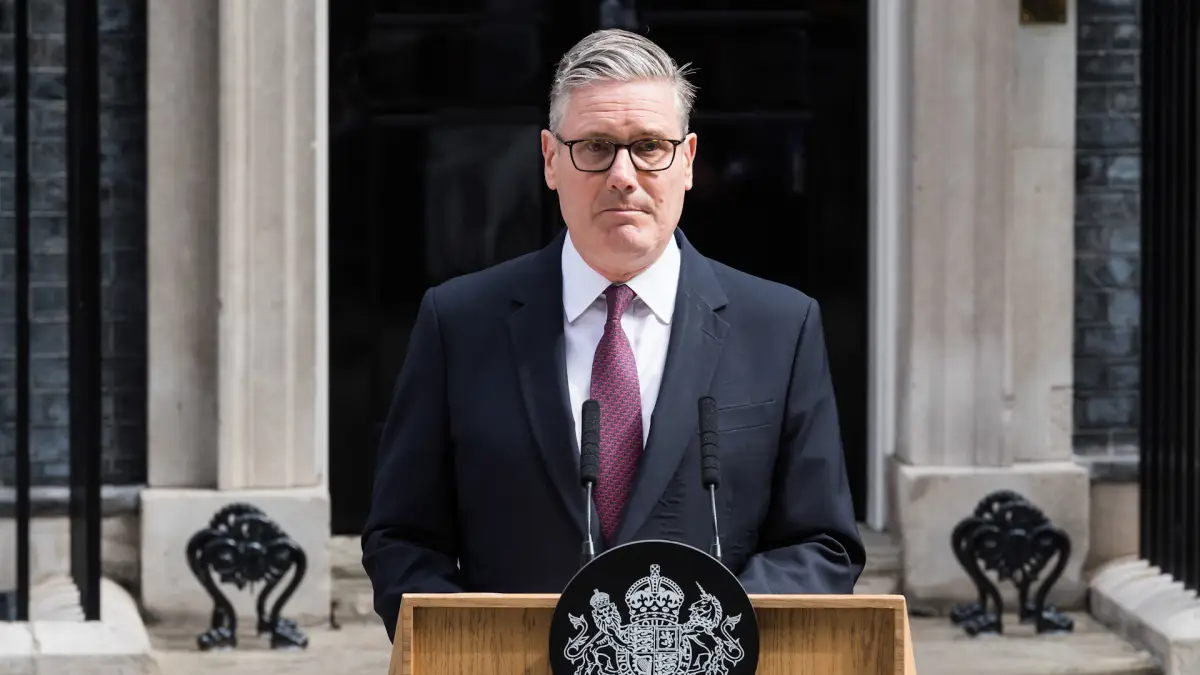
Keir Starmer has stepped down as Prime Minister of the United Kingdom and leader of the Labour Party after over a month of intensifying pressure. His resignation marks the conclusion of a premiership lasting just two years, which began with a historic election victory for Labour. Starmer publicly accepted the judgement of his parliamentary colleagues, indicating his commitment to facilitating a smooth transfer of power.

His leadership deteriorated due to various factors, including declining public support and criticisms regarding the government’s handling of essential issues like the economy, public services, and immigration. Labour celebrated a substantial victory in July 2024; however, Starmer faced challenges in maintaining party popularity and fulfilling promises to enhance economic performance and alleviate the cost-of-living crisis.

In recent months, there were increasing complaints from voters and party insiders alleging a lack of a coherent vision under Starmer’s leadership. Critics noted that his priorities seemed to focus on achievable policies rather than articulating a clear vision for the country’s future, contributing to the party’s waning support.

Controversies During Starmer’s Premiership

A series of controversies also contributed to Starmer’s downfall. A significant setback involved his decision to appoint Peter Mandelson as the UK ambassador to the United States. This choice was met with backlash due to Mandelson’s past connections with Jeffrey Epstein, a convicted sex offender, sparking questions about Starmer’s judgement.

Renewed scrutiny came to light after a Justice Department investigation unfolded, revealing previously undisclosed emails that showed Mandelson had maintained contact with Epstein for years, including after Epstein’s 2008 conviction. Mandelson was subsequently removed from his role in September last year, further complicating Starmer’s position.

Additionally, his relationship with US President Donald Trump deteriorated over time, particularly concerning Britain’s stance on military actions in the Iran conflict. Tensions escalated further when Trump publicly criticised Starmer’s handling of immigration and energy policies, stating that Starmer had “failed badly” in these areas.

Future Leadership Prospects in Labour Party

As Starmer steps down, the focus shifts to potential successors within the Labour Party. Greater Manchester Mayor Andy Burnham has emerged as a likely candidate following a recent by-election victory in Makerfield, where he secured nearly 55 per cent of the vote. Despite pressure mounting for a leadership transition, Starmer had previously declared his intention to contest any leadership challenge before making the decision to resign.

Discussions are underway within the Labour Party to determine the method and timing of leadership change. There is debate regarding whether contenders should reach a consensus to avoid a prolonged leadership contest or allow for open competition. The future direction of the party and its leadership will likely be a topic of conversation in the coming weeks.

Criticism regarding policy reversals, communication missteps, and the inability to connect with voters marked the closing chapter of Starmer’s premiership. Some allies suggested that facilitating a smooth transition might be a better option than instigating a leadership battle, indicating a desire for stability within the party during this uncertain time.

Long or Short, get news the way you like. No ads. No redirections. Download Newspin and Stay Alert, The CSR Journal Mobile app, for fast, crisp, clean updates!

App Store –  https://apps.apple.com/in/app/newspin/id6746449540 

Google Play Store – https://play.google.com/store/apps/details?id=com.inventifweb.newspin&pcampaignid=web_share

Latest News

Popular Videos
