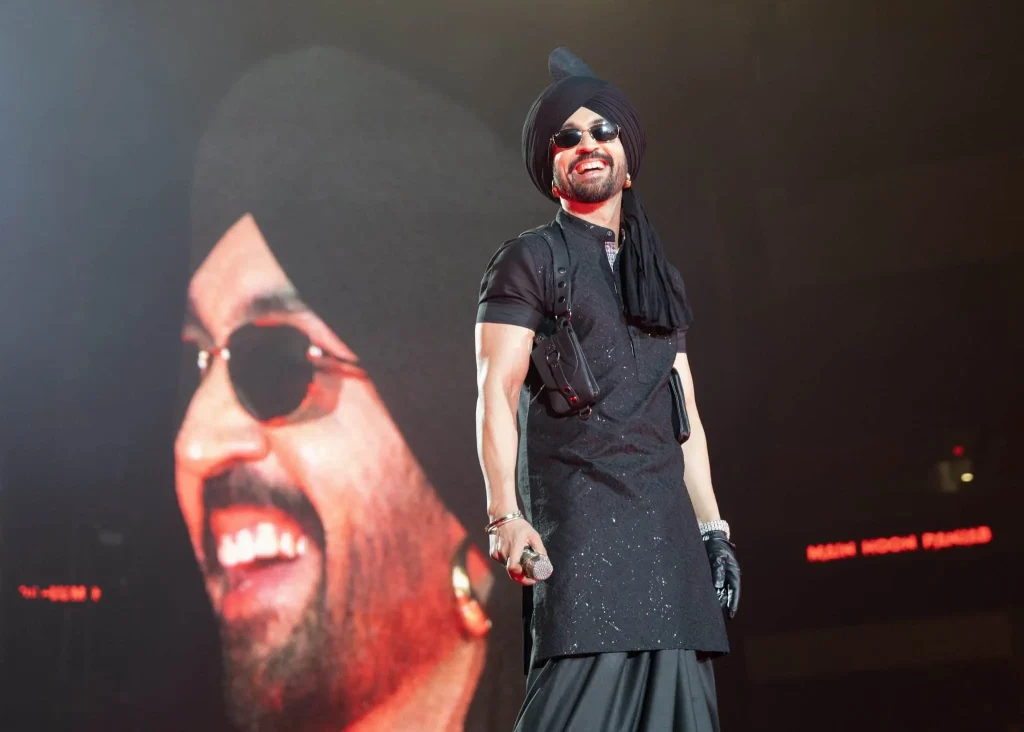

The removal of Diljit Dosanjh’s song ‘Satluj’ has prompted significant reactions across various media platforms. Allegations surrounding the song’s content suggested it could incite unrest. Following the action taken by regulatory authorities, commentators have begun to examine the broader implications for artistic expression in India.
This situation has reignited debates over censorship and its impact on the freedom of creators. Supporters of Dosanjh argue that the song’s removal is an infringement on artistic rights, while others maintain that regulation is necessary to maintain harmony within a diverse society. The discussions highlight the delicate balance between creative expression and public sentiment.
Social media platforms have also seen an uptick in discourse regarding the nature of content in contemporary Indian music. Many users expressed their dissatisfaction with the move, stating that it overlooks the cultural significance of artists like Dosanjh in highlighting social issues through their work. Critics of the regulatory stance argue that it could set a concerning precedent for future artistic ventures.
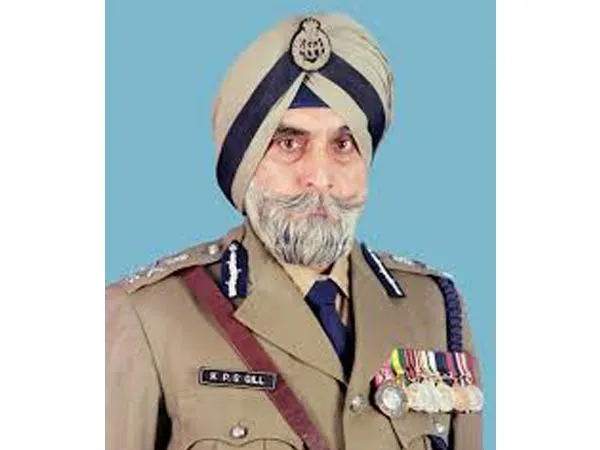
K. P. S. Gill’s Involvement
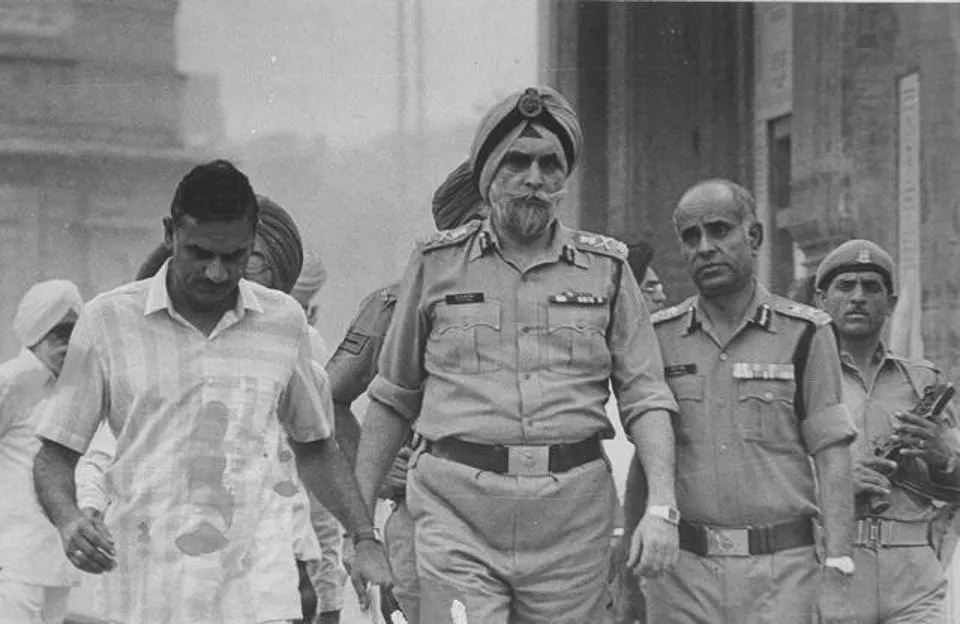
K. P. S. Gill, known for his roles in tackling militancy in Punjab, is being referenced in connection with the current situation involving ‘Satluj.’ His legacy in law enforcement and public safety has led to debates over the effectiveness of measures taken by authorities against perceived threats. The acknowledgment of Gill in this context shows how historical figures can resurface in discussions regarding contemporary challenges.
Gill’s strategies during his tenure have often been contentious, yet they have undeniably influenced policies related to security and public order. The mention of his name in discussions about artistic censorship underlines the complex interplay of societal safety and the creative landscape in India. Some argue that Gill’s methodologies could offer insights into handling the protests and reactions stemming from the song’s removal.
As these discussions unfold, Gill’s stance on issues surrounding music and expression remains largely speculative. His previous approaches suggest a strong inclination towards maintaining public order, which might influence the current narrative regarding the balance between expression and regulation.