


JPMorgan Reports Record Profit, Raising Questions About Its Size
The CSR Journal Magazine

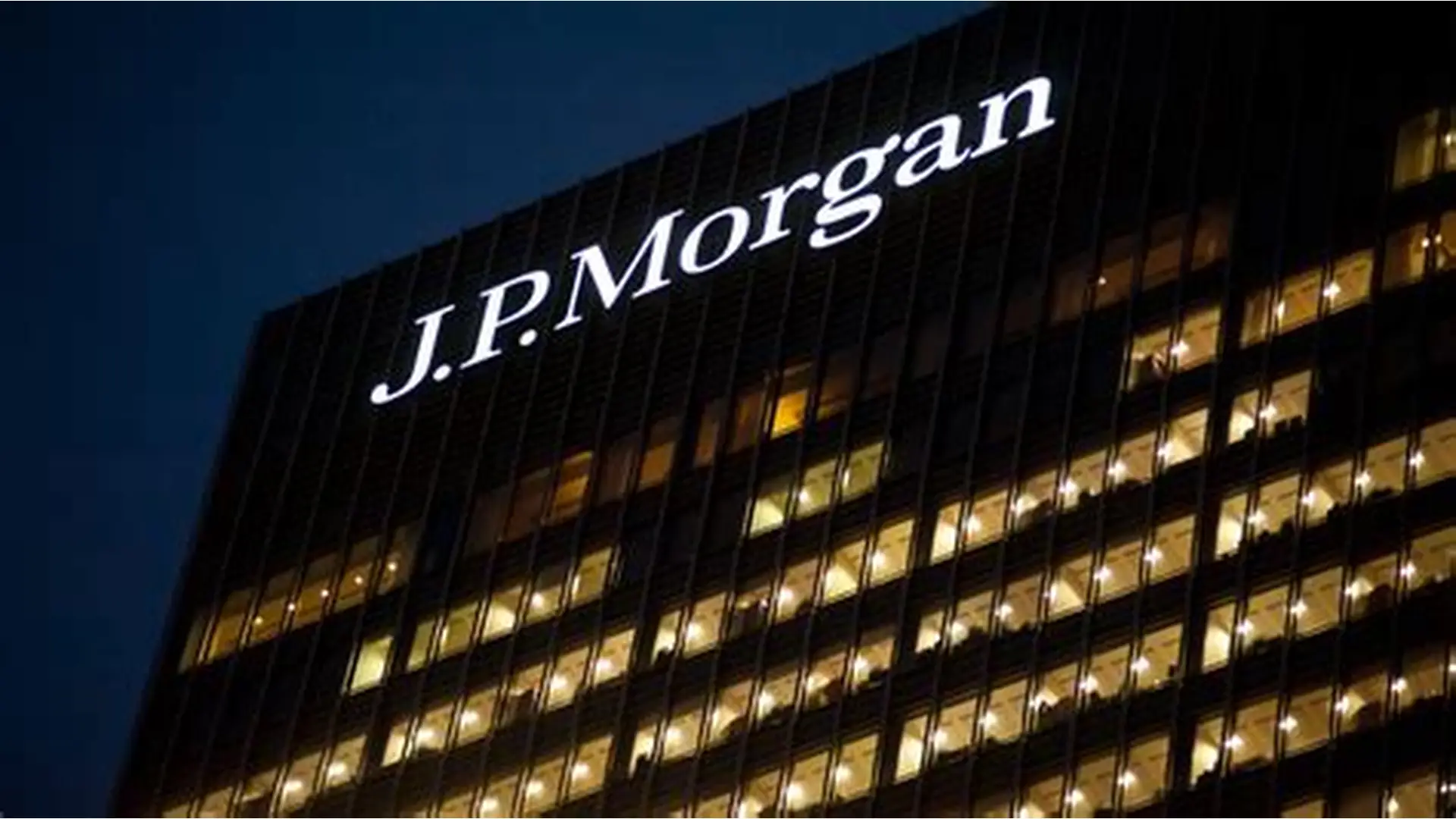
JPMorgan Chase has announced a record profit for the second quarter of 2026, marking the highest quarterly profit ever reported by a US bank, as noted in data from LSEG and cited by Reuters. This achievement also represents the best quarter in the bank’s 226-year history. The announcement has provoked discussions about the scale and stature of the world’s largest bank.

For the second quarter, JPMorgan’s net income reached Rs 1.76 lakh crore ($21.2 billion), or Rs 575.10 ($7.70) per share. This figure is a significant increase from Rs 1.16 lakh crore ($14.99 billion) or Rs 398.44 ($5.24) per share reported in the same quarter the previous year. Analysts had anticipated earnings of only Rs 431.08 ($5.78) per share, indicating a much stronger performance than market expectations.

Revenue growth was evident across every division of the bank. A surge in high-profile IPOs and an active mergers and acquisitions environment contributed to investment banking fees achieving their highest levels since 2021. Notably, this uptick was driven by the Nasdaq listing of SpaceX, which is touted as the largest in history, with JPMorgan serving as a lead underwriter.

Assessing Size Through Assets and Market Value

While JPMorgan is frequently touted as the largest bank globally, it is important to clarify that it does not hold the title based on total assets. That distinction belongs to China’s Industrial and Commercial Bank of China (ICBC), which reported assets totalling Rs 62.87 lakh crore ($7.65 trillion) at the end of 2025. Other major Chinese banks also surpass JPMorgan in asset size.

In terms of market capitalisation, however, JPMorgan stands out significantly. As of April 2026, its market value reached Rs 69.35 lakh crore ($844.2 billion), dwarfing that of ICBC, which sits at Rs 35.20 lakh crore ($426 billion). Market capitalisation reflects investor perceptions of a bank’s value, highlighting JPMorgan’s profitability and operational efficiency compared to its Chinese counterparts.

This disparity in asset versus market capitalisation illustrates the varying metrics by which a bank’s size can be evaluated, prompting further examination of the factors influencing investor sentiment in the banking sector.

Global Impact and Historical Background

JPMorgan operates on a scale that often exceeds national economies. With Rs 36.87 lakh crore ($4.4 trillion) in assets, its size surpasses India’s estimated GDP of Rs 34.47 lakh crore ($4.15 trillion) for 2026. The comparison indicates not just the vastness of the bank but its importance in the global financial landscape.

The history of JPMorgan dates back to 1799 with the establishment of The Manhattan Company, which eventually led to the formation of JPMorgan Chase in its current iteration following multiple mergers. Jamie Dimon, who became CEO in 2006, has guided the bank through significant evolution, including strategic acquisitions during the financial crisis of 2008.

Despite its robust growth and record profitability, JPMorgan has faced scrutiny, including past legal controversies relating to high-profile financial scandals. These challenges underscore the complexities involved in operating at such a significant scale. Nevertheless, the bank continues to demonstrate resilience and innovation, particularly in investment and technology.

Long or Short, get news the way you like. No ads. No redirections. Download Newspin and Stay Alert, The CSR Journal Mobile app, for fast, crisp, clean updates!

App Store –  https://apps.apple.com/in/app/newspin/id6746449540 

Google Play Store – https://play.google.com/store/apps/details?id=com.inventifweb.newspin&pcampaignid=web_share

Latest News

Popular Videos
