


Japan Suspends Mango Imports From India Over Pest-Control Lapses at Export Facilities
The CSR Journal Magazine

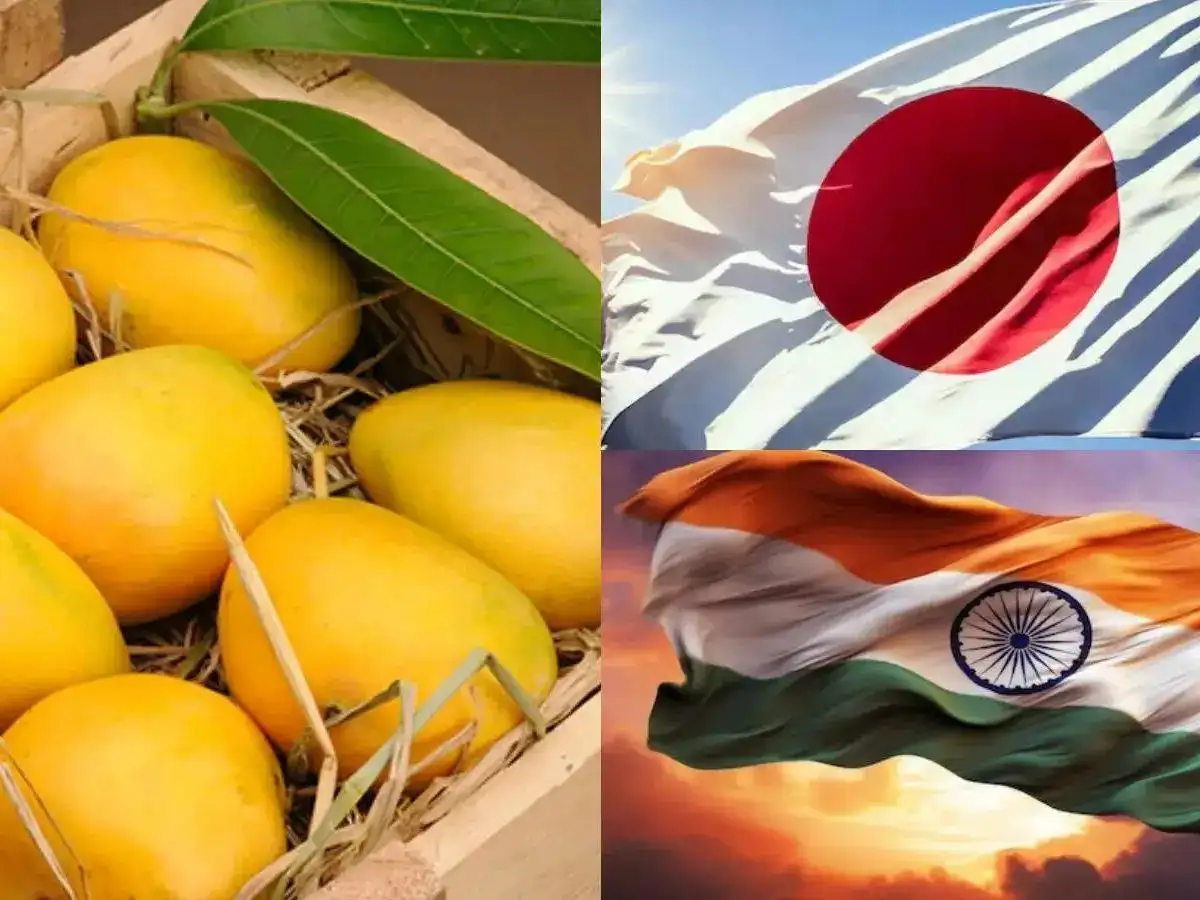
Japan has suspended mango imports from India after its quarantine officials identified shortcomings in pest-control procedures at Indian export treatment facilities. This decision has come at a critical time, coinciding with the peak season for mango shipments. The ban particularly affects premium varieties such as Alphonso, Kesar, Langra, and Banganapalli, which are subject to stringent phytosanitary regulations.

Reports indicate that Japanese inspectors discovered operational irregularities during their evaluations of vapour heat treatment (VHT) facilities in India. These facilities are responsible for ensuring that mangoes are free from pests like fruit flies before export. With Japan maintaining a stringent zero-tolerance policy towards invasive pests, the identified deficiencies raise significant concerns.

The Yokohama Plant Protection Association, following the inspection findings, informed importers that Indian mango shipments accompanied by inspection certificates issued after March 25, 2026, will no longer be accepted. This marks a notable shift in Japan’s import policy, representing its first major restriction on Indian mangoes in nearly two decades.

Historical Context of Import Restrictions

Japan’s decision follows a history of cautious trade relations concerning Indian mangoes. The country had previously enforced a ban on imports due to similar concerns over fruit fly infestations, which was only lifted in 2006 when India improved its treatment and certification processes. Such actions highlight Japan’s ongoing vigilance regarding its agricultural biosecurity.

While Japan does not rank among the largest international markets for Indian mangoes, the suspension is perceived as a setback for India’s agricultural exports. Observers worry that this move may invite increased scrutiny of India’s quality-control mechanisms and compliance standards in other international markets.

The timing of the suspension exacerbates existing challenges for mango growers, especially in Maharashtra’s Alphonso belt. Farmers in this region are grappling with severe crop losses attributed to extreme heat and unpredictable weather conditions associated with the El Nino phenomenon. Current estimates suggest that losses could range between 85 and 90 per cent for the season.

Future Prospects and Industry Response

The impact of this suspension is significant given that India is the largest mango producer worldwide, with annual production nearing 28 million metric tonnes. Despite a substantial portion being consumed domestically, the potential loss of access to international markets raises alarms among exporters.

Following the introduction of the ban, Indian authorities and exporters are anticipated to engage in discussions with Japanese regulators to seek ways to rectify the situation. Experts recommend that India may need to enhance monitoring practices at treatment facilities, improve documentation processes, and ensure stricter adherence to pest-control protocols to swiftly regain access to the Japanese market.

As of now, neither Indian nor Japanese authorities have released detailed information regarding the specific technical deficiencies identified during the inspections. The situation remains fluid, and stakeholders in the agricultural sector are awaiting updates on measures that can be implemented to alleviate the suspension’s effects.

Long or Short, get news the way you like. No ads. No redirections. Download Newspin and Stay Alert, The CSR Journal Mobile app, for fast, crisp, clean updates!

App Store –  https://apps.apple.com/in/app/newspin/id6746449540 

Google Play Store – https://play.google.com/store/apps/details?id=com.inventifweb.newspin&pcampaignid=web_share

Latest News

Popular Videos
