


IUML Navigates Dilemma Over Tax Cuts on Low-Alcohol Beverages
The CSR Journal Magazine

The Indian Union Muslim League (IUML) faces a significant challenge as it balances its historical opposition to alcohol with its responsibilities as a key member of Kerala’s ruling coalition. The party has firmly reiterated its disapproval of the sale and consumption of all types of liquor. Despite this, IUML officials have indicated their willingness to respect the collective decisions made by the Kerala cabinet regarding the taxation of low-alcohol beverages.

During a recent statement, Kerala’s Local Self Government Minister KM Shaji mentioned that the party will uphold the Kerala cabinet’s decision to reduce taxes on low-alcohol drinks, which aligns with their principal opposition to alcohol sales. He confirmed that the IUML would not allow this issue to disrupt the harmony within the ruling alliance.

Government Proposal and Party Response

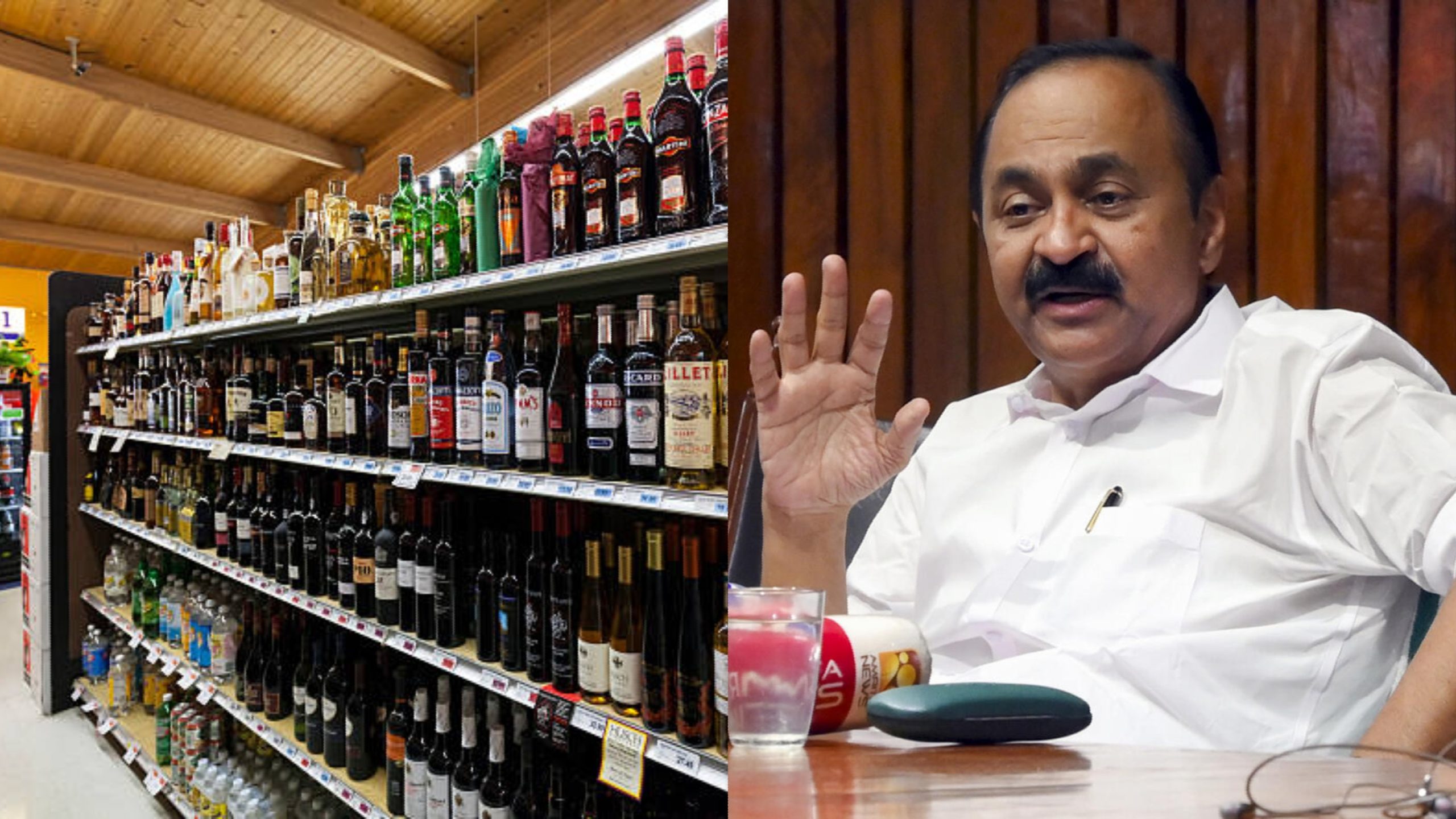
The controversy surrounding the government’s proposal to reduce the sales tax on low-alcohol beverages arose after Chief Minister VD Satheesan announced his plans to decrease taxes for drinks containing up to 20 per cent alcohol. The new tax rates would apply specifically to drinks with an alcohol content of 0.5-10 per cent, incurring a 120 per cent tax, while those containing 10-20 per cent would be taxed at 175 per cent. This stands in stark contrast to the existing tax of 251 per cent on most liquor products.

Shaji stated that although IUML has manifestly opposed the consumption of alcoholic beverages, they would abide by the cabinet’s collective decision on this matter. He elaborated that their party president, Sayyid Sadiq Ali Shihab Thangal, had previously articulated the party’s dissent towards the proposal while reiterating their commitment to the coalition’s governance.

As discussions on the proposal continue, critics, including opposition parties and various community organisations, have expressed concerns that the tax cuts could lead to increased alcohol consumption, particularly among the youth. They argue that the move could benefit large liquor corporations and undermine efforts aimed at curbing substance abuse.

Community Concerns and Government’s Position

The proposal has ignited a heated debate across Kerala, with detractors labelling it as a “Bacardi tax” that would favour large producers in the alcohol industry. Religious organisations and Muslim groups have pointed out that the initiative contradicts ongoing attempts to combat excessive drinking and associated social issues.

In light of the ongoing protests and backlash concerning the proposal, the government has indicated that it will seek further consultations before proceeding with any implementation. This decision aims to address the significant public outcry and ensure broader community involvement in the discussions.

The IUML has emphasized its broad support across various segments of society, stating that it does not intend to falter in its commitment to the coalition government, which achieved power with the backing of 102 MLAs. The party has voiced its dissent but reaffirmed its allegiance to the cabinet’s consensus, a stance intended to maintain stability within the alliance.

Long or Short, get news the way you like. No ads. No redirections. Download Newspin and Stay Alert, The CSR Journal Mobile app, for fast, crisp, clean updates!

App Store –  https://apps.apple.com/in/app/newspin/id6746449540 

Google Play Store – https://play.google.com/store/apps/details?id=com.inventifweb.newspin&pcampaignid=web_share

Latest News

Popular Videos
