


Israeli Air Strikes Damage Historic Sites in Southern Lebanon’s Ancient City of Tyre
The CSR Journal Magazine

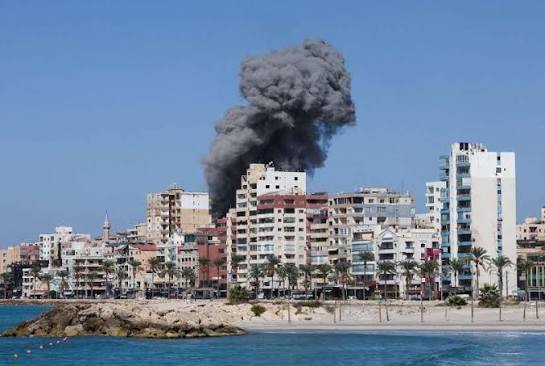
Israeli air strikes in southern Lebanon have led to significant damage to various historic sites, marking a catastrophic event for the region. Among the affected areas is Tyre, an ancient city renowned for being one of the world’s oldest continuously inhabited settlements. The strikes have raised concerns about the preservation of cultural heritage in this historically rich area.

Local authorities reported extensive destruction as a result of the air strikes, which occurred over a series of operations targeting suspected sites related to militant activities. The impact on the ancient city’s architecture and infrastructure has been particularly alarming, raising questions about the long-term repercussions for the community residing in this UNESCO World Heritage site.

Witnesses have described scenes of devastation in Tyre, with particularly noted damage to structures that have stood for centuries. The local government is now facing the challenge of assessing the full extent of the destruction and formulating plans for restoration and recovery amidst ongoing hostilities.

Impact on Cultural Heritage

The air strikes have not only destroyed buildings but have also disrupted the cultural fabric of the city. Tyre’s historical significance extends beyond its architecture; it is a centre of heritage for the Lebanese people. Reports indicate that local residents are grappling with the emotional toll wrought by the loss of their shared history.

UNESCO has expressed grave concern regarding the attacks on historic sites. The organisation has emphasised the importance of protecting cultural heritage, particularly in conflict zones. Experts argue that such heritage plays a vital role in uniting communities and fostering a sense of identity, which is particularly critical during times of strife.

In response to the air strikes, preservationists and cultural organisations have called for immediate action to safeguard remaining landmarks and artefacts. They stress the necessity of international cooperation to ensure that historic locations are protected from further damage amid the ongoing conflict.

Global Reactions and Future Consequences

The international community has reacted with alarm to the reports of destruction in Lebanon. Various governments and non-governmental organisations have condemned the strikes, advocating for a peaceful resolution to the ongoing conflict. The impact on historic sites has renewed discussions about the need for stronger protections for cultural heritage in war-torn regions.

Experts note that the destruction of cultural landmarks can have long-lasting effects on regional stability. As communities lose their historical sites, they may also lose a sense of belonging and identity. This could potentially lead to increased tension and further conflict in the area, making it imperative for stakeholders to prioritise peace and reconciliation.

The situation in Lebanon continues to evolve, with humanitarian efforts underway to aid those affected by the violence. Restoration of the damaged historic sites in Tyre and beyond will likely be a lengthy process that requires careful planning and resources. The commitment to preserving cultural heritage may play a crucial role in healing the divisions caused by ongoing violence.

Long or Short, get news the way you like. No ads. No redirections. Download Newspin and Stay Alert, The CSR Journal Mobile app, for fast, crisp, clean updates!

App Store –  https://apps.apple.com/in/app/newspin/id6746449540 

Google Play Store – https://play.google.com/store/apps/details?id=com.inventifweb.newspin&pcampaignid=web_share

Latest News

Popular Videos
