


Israel Cabinet Backs Recognition of Armenian Genocide Amid Rift With Turkiye
The CSR Journal Magazine

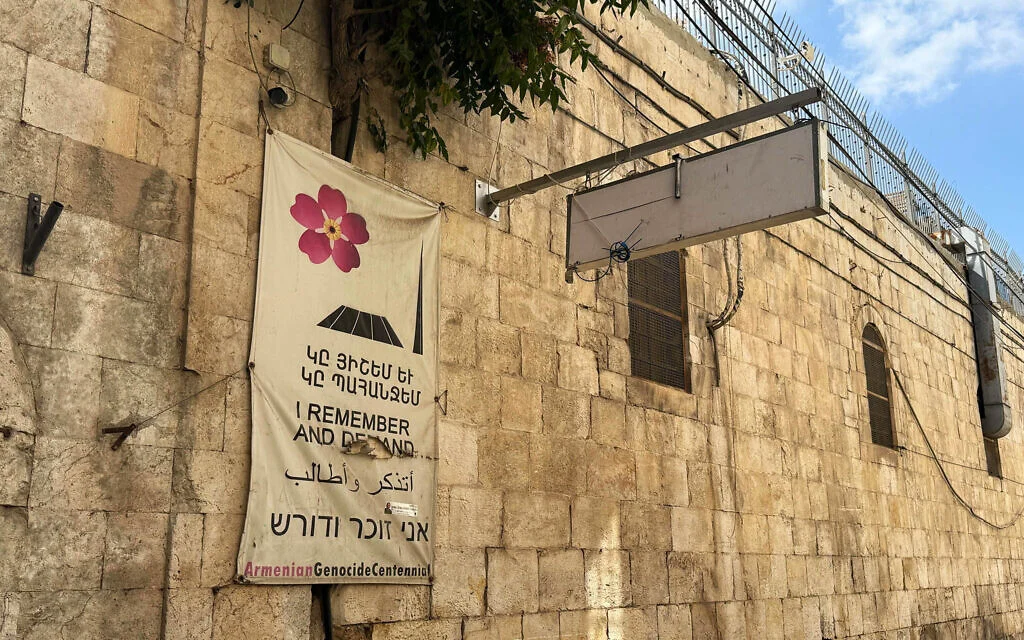
The Israeli Cabinet unanimously decided on Sunday to support a proposal recognising the violence against Armenians by the Ottoman Empire during World War I as genocide. This step still requires subsequent approval from the Knesset, Israel’s Parliament. The Cabinet’s decision represents a significant shift given the longstanding reservations surrounding this recognition due to diplomatic considerations with Turkiye.

Historians estimate that as many as 1.5 million Armenians were killed during this period, making it widely regarded as the first genocide of the twentieth century. However, Turkiye disputes this classification, arguing that the number of deaths has been exaggerated and that the victims died as a result of civil strife rather than an orchestrated genocide.

Israel’s historical reticence to address this issue was primarily driven by fears of offending Turkiye, with which it had close ties until recently. The diplomatic relationship has soured over the past two decades, exacerbated by conflicts in Gaza, Lebanon, and Iran.

Statements from Israeli Officials

Israeli Foreign Minister Gideon Saar, who initiated the proposal, expressed that despite overwhelming historical evidence, the Armenian Genocide is still the subject of an ongoing campaign of denial, particularly from the Turkish government. Saar pointed out that while previous Israeli leaders, including Prime Minister Benjamin Netanyahu, have acknowledged the events as genocide, a formal governmental recognition had been absent until now.

Saar underscored the moral and historical imperative of the recognition, asserting that it is “never too late to do the right thing.” He noted that 32 other nations, including the United States, Syria, and Lebanon, have also designated the events as genocide. The timeline for the proposal to be forwarded to the Knesset remains unclear, and there has yet to be a response from Turkish officials.

This recognition comes in the context of broader geopolitical tensions, with Israel and Turkiye having previously enjoyed a more amicable relationship before the tenure of Turkish President Recep Tayyip Erdogan, during which relations have further declined.

Broader Implications of the Decision

Israel is currently facing criticism over its military actions in Gaza, particularly following the deadly October 7, 2023, attack by Hamas. The Israeli government asserts that its military operations are a response to these provocations and claims that they do not intentionally target civilians. However, the ongoing conflict has prompted accusations from various quarters, including allegations of genocide from Turkiye and the United Nations.

The Gaza Health Ministry, which operates under Hamas, claims that over 73,000 individuals, including a significant number of women and children, have perished in the conflict. In response to concerns about civilian casualties, Israel contends that Hamas is utilising civilians as human shields, complicating the situation further.

In the wake of the Cabinet’s decision, a team of independent experts commissioned by the United Nations has reiterated allegations of deliberate violence against children by Israeli forces in Gaza, characterising these actions as part of a broader pattern of genocide. Israel has vehemently rejected these allegations, dubbing them as a “libelous sham.” The discussions surrounding the Armenian Genocide may serve to further polarise the dialogue on historical and present violence in the region.

Long or Short, get news the way you like. No ads. No redirections. Download Newspin and Stay Alert, The CSR Journal Mobile app, for fast, crisp, clean updates!

App Store –  https://apps.apple.com/in/app/newspin/id6746449540 

Google Play Store – https://play.google.com/store/apps/details?id=com.inventifweb.newspin&pcampaignid=web_share

Latest News

Popular Videos
