


app-store-logo
play-store-logo
March 15, 2026

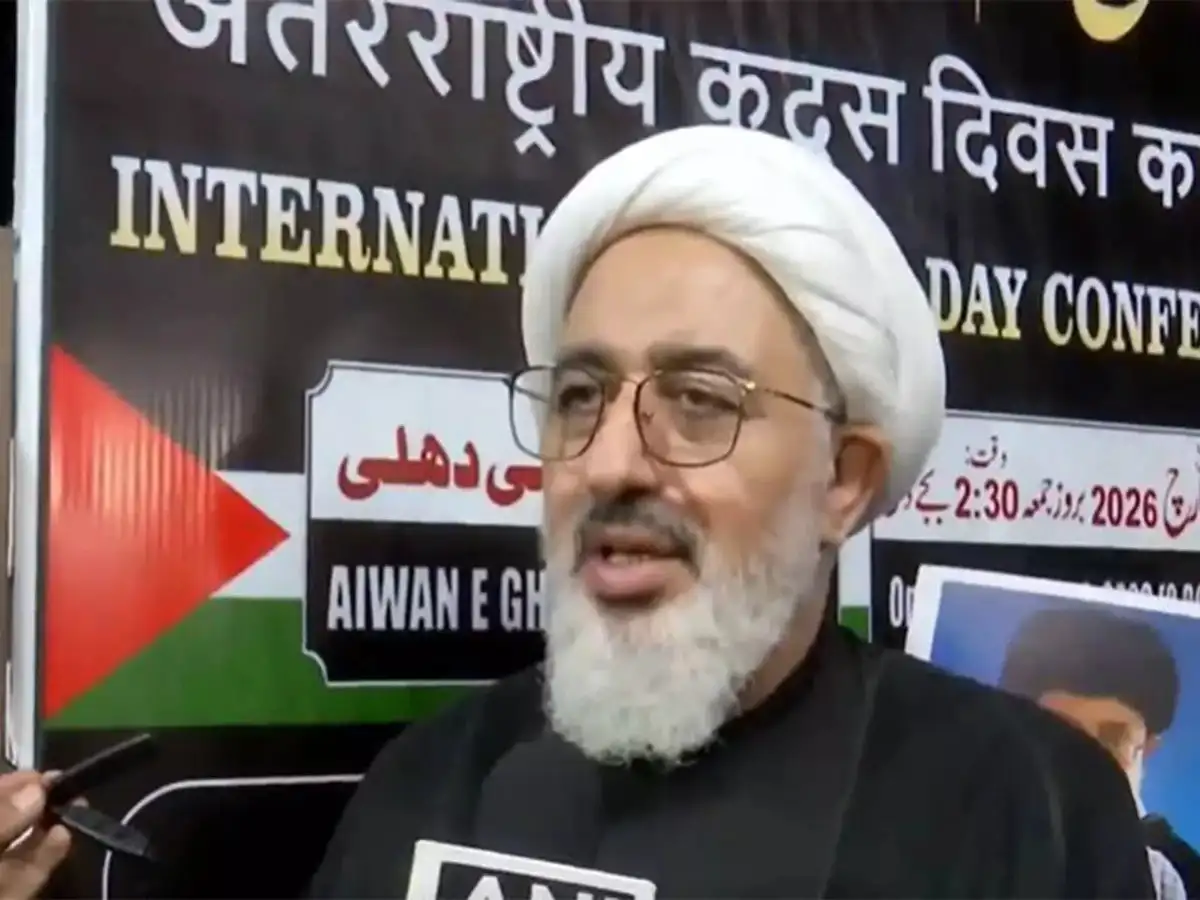
Iran’s Supreme Leader’s Representative Justifies Strikes on Gulf Nations
The CSR Journal Magazine

Abdul Majid Hakeem Ilahi, the representative of Iran’s Supreme Leader in India, recently defended the nation’s military strikes against neighboring Gulf countries. In an interview, he characterized these actions as necessary measures aimed at foreign bases allegedly used against Iran amid escalating tensions in West Asia. Ilahi articulated the position that Iran, having been a longstanding entity in the region, is compelled to respond to hostile actions originating from US-backed installations.

According to Ilahi, the United States has established between 33 and 45 military bases in proximity to Iran, posing a significant threat. He emphasized that Iran had previously requested its neighboring countries to refrain from permitting these bases to be utilized against Tehran. “We were living in this region for more than ten thousand years. When there wasn’t even America yet, we were in this region,” he stated, asserting that the geographic distance between Iran and the US makes it implausible for the latter to launch direct attacks from within its own territory.

Ilahi further expressed his discontent regarding assurances given by neighboring countries regarding the non-use of these American bases against Iran, which he claims have not been honored, leading to ongoing conflict. He specifically cited the recent missile strike that hit a Primary Girls’ School in Minab, resulting in over 180 casualties, including many schoolgirls. He contended that these missiles originated from Bahrain, while previous reports suggested a potential American involvement in the strike.

The representative acknowledged the civilian toll of the conflict, including casualties among Indian nationals, while allocating blame to those who initiated hostilities. “The war is unfair. They initiated the war. I say to the people in the world: they are suffering. Why do the leaders of these countries criticize the war? It is better to ask the aggressors why they initiated it and caused people to suffer,” he remarked.

This latest conflict, which erupted on February 28, has seen hostilities between Israel and the US on one side and Iran on the other. The situation intensified following the assassination of Ayatollah Ali Khamenei, the 86-year-old Supreme Leader of Iran, in coordinated strikes by US and Israeli forces. In retaliation, Iran has targeted both Israeli and US interests throughout several Gulf nations, prompting disruptions in maritime operations and raising concerns over impacts on the global energy market and economic stability.

The ongoing conflict has led Iran to effectively close the Strait of Hormuz, a vital passage for international energy supplies. As tensions continue to rise in the region, the ramifications of military actions undertaken by various nations are becoming increasingly complex and far-reaching, affecting not only regional stability but also international economic dynamics.

Long or Short, get news the way you like. No ads. No redirections. Download Newspin and Stay Alert, The CSR Journal Mobile app, for fast, crisp, clean updates!

App Store –  https://apps.apple.com/in/app/newspin/id6746449540 

Google Play Store – https://play.google.com/store/apps/details?id=com.inventifweb.newspin&pcampaignid=web_share

Latest News

Popular Videos
