


India Opens Forensic Laboratories To Assist In Identifying Nepal Flood Victims
The CSR Journal Magazine

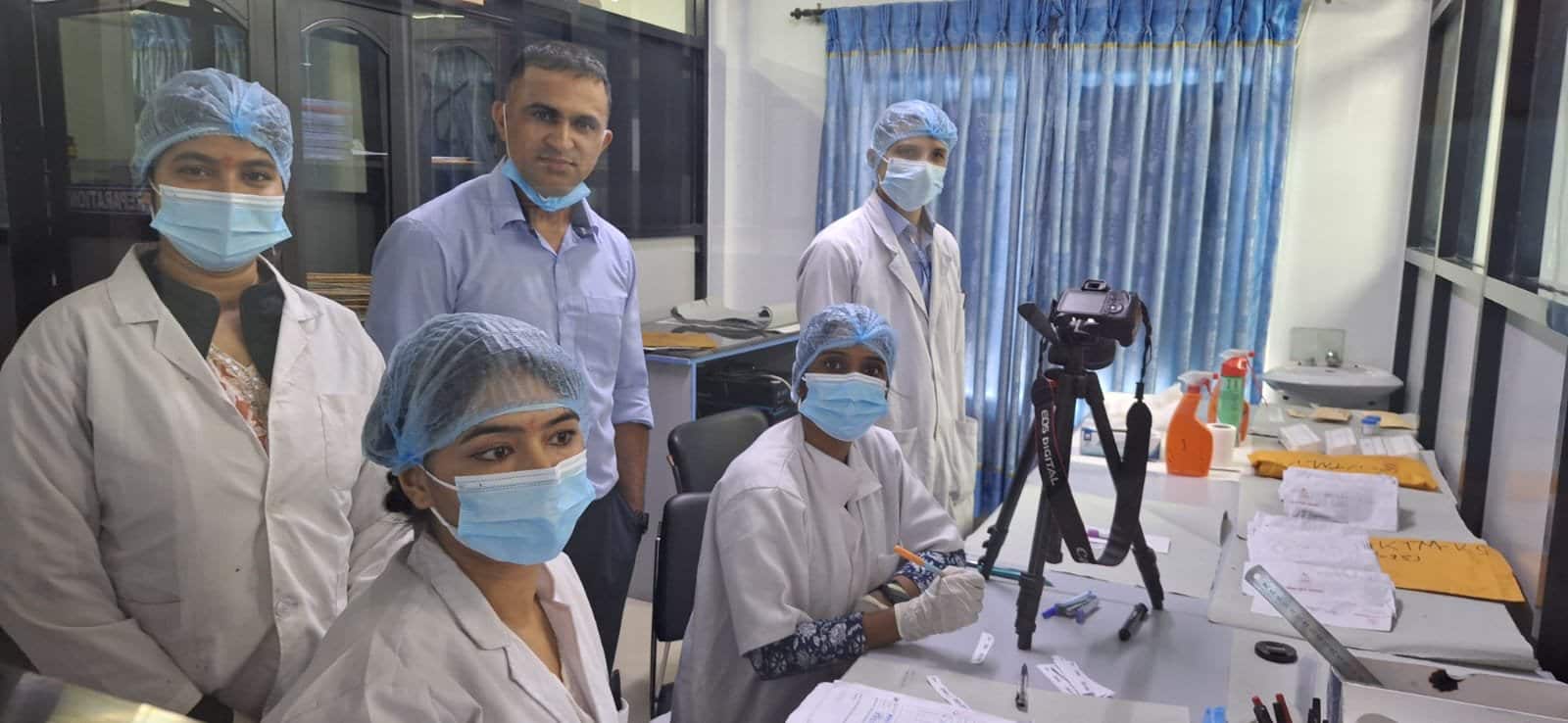
The initiative to provide forensic services has been launched in response to the tragic flash floods that struck Nepal on August 26. The Indian Ministry of External Affairs announced that both central and state-level forensic laboratories would assist in identifying the remains of individuals reported missing. This effort aims to aid first-degree biological relatives residing in India in submitting their DNA samples.

As rescue and recovery operations progress, the Nepalese government has reported that at least 1,259 individuals have lost their lives due to the floods. Over 12,000 people have been rescued, while approximately 5,000 remain unaccounted for, intensifying the need for identification services in this crisis.

DNA Profiling Process Explained

The Ministry of External Affairs specified that biological samples from first-degree relatives, such as parents, children, and siblings, can be collected for DNA profiling at various accredited laboratories. These include Central Forensic Science Laboratories, State Forensic Science Laboratories, and facilities under the National Forensic Sciences University.

A press release from the Embassy of India in Kathmandu outlined the procedures involved in this identification process. It highlighted the importance of Autosomal STR DNA profiling, as recommended by Nepal Police. The requirements specified by Nepali authorities must be adhered to, furthering the efficiency of the identification efforts.

To facilitate this process, interested individuals are encouraged to contact the designated helpline number provided by the authorities in Nepal. This streamlined communication is vital for ensuring that DNA profiles can be prepared and compared accurately against unidentified remains.

Collaboration for Effective Coordination

Once the DNA profiles have been prepared, they can be sent via email for comparison with those derived from unidentified remains. The Nepalese authorities require that the preliminary information accompany the DNA profiles for a comprehensive review. Reports indicate that communication will play a crucial role in this identification effort, ensuring that all necessary data is exchanged effectively.

The coordination efforts will be facilitated by the Embassy of India in Kathmandu, where stakeholders have been urged to share a copy of the DNA profiles with them. This collaborative approach aims to enhance the overall efficacy of the identification process amid ongoing rescue operations in Nepal.

This initiative represents India’s commitment to supporting its neighbours during times of crisis. The floods have had a devastating impact on communities in northern and central Nepal, prompting a regional response to assist families in their pursuit of closure. As the search and rescue operations continue, the availability of forensic services in India is poised to play a significant role in helping families identify their loved ones. This humanitarian gesture underscores the importance of international cooperation during times of disaster.

Long or Short, get news the way you like. No ads. No redirections. Download Newspin and Stay Alert, The CSR Journal Mobile app, for fast, crisp, clean updates!

App Store –  https://apps.apple.com/in/app/newspin/id6746449540 

Google Play Store – https://play.google.com/store/apps/details?id=com.inventifweb.newspin&pcampaignid=web_share

Latest News

Popular Videos
