


Iran’s Deputy Representative Stresses Importance of Outcomes in Mediation Efforts
The CSR Journal Magazine

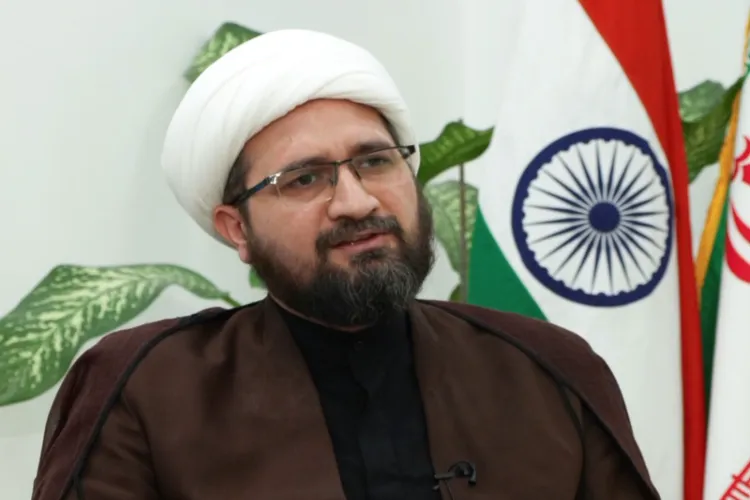
The Deputy Representative of Iran’s Supreme Leader in India, Dr Mohammad Hossein Ziyaeenia, has asserted that the outcomes of negotiations with the United States are more relevant than the mediation process itself. During a recent interview, he framed this perspective in the context of discussions surrounding Pakistan’s involvement as a mediator in the ongoing diplomatic efforts to resolve hostilities in West Asia. Ziyaeenia emphasised that the effectiveness of mediation should be gauged by the results achieved, rather than the nationality of the mediator.

Further discussing the selection of Pakistan as a mediator, Ziyaeenia expressed a lack of insight into the decision-making process. He noted that multiple countries, including Oman, Qatar, Turkey, Iraq, and Austria, have previously engaged in mediation efforts between Iran and the US. “I have no idea about this because this is the decision that has been made in the level that they are responsible for deciding who will be the mediator,” he stated, indicating that Iran is open to various nations assuming mediation roles.

Call for Lasting Stability in the Region

Ziyaeenia articulated Iran’s desire for enduring stability throughout West Asia, including Lebanon, which has faced significant devastation due to conflicts involving Israeli forces and Hezbollah. He emphasised that any successful mediation efforts must aim to achieve a stable and peaceful environment not only for Iran but for the entire region. “We put in the conditions that permanent peace should be observed in Lebanon,” he noted, suggesting that the quest for peace extends beyond Iranian borders.

The Deputy Representative’s comments reflect broader concerns about the ongoing conflicts in West Asia and the need for reliable governance structures to ensure peace. He suggested that stability in Lebanon would contribute to regional tranquillity, underscoring Iran’s commitment to pursuing diplomatic solutions that foster lasting peace.

In conjunction with these sentiments, Ziyaeenia expressed his apprehensions regarding the credibility of past ceasefire agreements with the US. He referenced a ceasefire that occurred approximately ten months ago, following strikes on Iranian nuclear facilities. Ziyaeenia claimed that while Iran adhered to the ceasefire terms, the US did not honour its commitments, jeopardising the relationship and future negotiations.

Need for Guarantees in Future Agreements

The Deputy Representative also articulated the necessity for any forthcoming agreement to include guarantees that would ensure sustained peace in the region. He expressed concerns that without enduring assurances, arrangements could be mere temporary fixes. Ziyaeenia highlighted that the fundamental focus should be on whether future deals can truly secure permanent peace or if they are merely a guise for further hostility against Iran.

In his remarks, Ziyaeenia indicated that enduring peace must not be viewed through the lens of short-term agreements that lack depth or long-term viability. He asserted that the reputation and outcomes of negotiations are paramount, and any lapse in commitment can lead not only to mistrust but also to renewed conflicts.

Ultimately, Ziyaeenia’s statements underscore Iran’s commitment to achieving a stable and peaceful future for the region, emphasising that any mediating country must facilitate discussions that lead to genuine and reliable resolutions.

Long or Short, get news the way you like. No ads. No redirections. Download Newspin and Stay Alert, The CSR Journal Mobile app, for fast, crisp, clean updates!

App Store –  https://apps.apple.com/in/app/newspin/id6746449540 

Google Play Store – https://play.google.com/store/apps/details?id=com.inventifweb.newspin&pcampaignid=web_share

Latest News

Popular Videos
