


app-store-logo
play-store-logo
March 10, 2026

Iran Conflict Disrupts LPG Supply in Mumbai
The CSR Journal Magazine

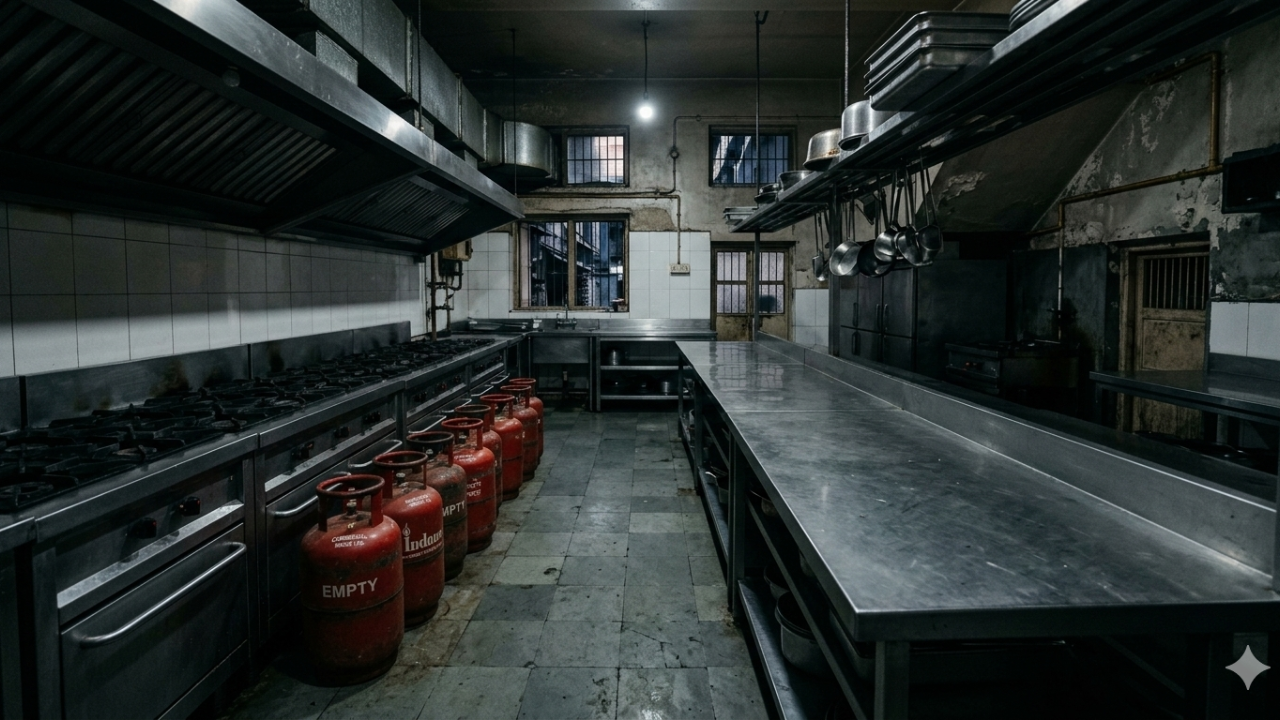
The ongoing conflict involving the US, Israel, and Iran has started to affect global energy markets, leading to significant supply disruptions in Mumbai. The city’s hotel and restaurant association, AHAR, reported that approximately 20 percent of local hotels and restaurants have closed due to issues with commercial LPG supply as of Tuesday. The association has warned that if the situation does not improve, as many as 50 percent of hotels could shut down within the next two days. The operational status of remaining restaurants will largely depend on the LPG stock available to each establishment.

Understanding LPG Production

Liquefied Petroleum Gas (LPG) is primarily viewed as a crucial fuel source in households and commercial kitchens. However, it is essential to recognize that LPG is not produced as a standalone product but is derived from the processes of oil refining and gas production. LPG predominantly consists of propane and butane, which are released during the refining process of crude oil.

Refining Process Explained

The transformation of crude oil into useful fuels occurs at oil refineries through a series of processes, starting with fractional distillation. In this process, crude oil is heated to approximately 350-400 degrees Celsius in a distillation column. As the mixture rises, hydrocarbons separate according to their boiling points, with lighter gases like propane and butane rising to the top. At room temperature and pressure, propane and butane are gases, but when subjected to moderate pressure, they liquefy. This property facilitates the storage and transport of LPG in compact cylinders.

LPG as a Byproduct of Refining

LPG is categorized as a byproduct of the crude oil refining process because refineries mainly focus on producing fuels such as gasoline, diesel, and jet fuel. During the refining, lighter hydrocarbons like propane and butane are produced as secondary outputs. Rather than being flared off, these gases are captured and refined into LPG. A similar method is employed during the extraction of natural gas, where propane and butane are isolated from the natural gas streams.

Factors Leading to Supply Tightness

The variability in LPG supply is closely linked to the output from oil refining and gas production. Disruptions in global energy markets—stemming from geopolitical tensions, shipping delays, refinery malfunctions, or sanctions—can significantly impact LPG availability. In cities such as Mumbai and Delhi, where restaurants depend heavily on commercial LPG for cooking, even minor interruptions in supply can lead to business closures and increased operational costs.

Significance of Stable Supply Chains

As global tensions continue to disrupt energy logistics, industry stakeholders are emphasizing the necessity of reliable fuel supply chains. The stability of LPG availability is crucial for sustaining India’s food and hospitality sectors, which rely extensively on consistent access to LPG for their daily operations.

Long or Short, get news the way you like. No ads. No redirections. Download Newspin and Stay Alert, The CSR Journal Mobile app, for fast, crisp, clean updates!

App Store –  https://apps.apple.com/in/app/newspin/id6746449540 

Google Play Store – https://play.google.com/store/apps/details?id=com.inventifweb.newspin&pcampaignid=web_share

Latest News

Popular Videos
