


Adani’s Jharkhand Power Plant Incident Intensifies Bangladesh’s Energy Crisis
The CSR Journal Magazine

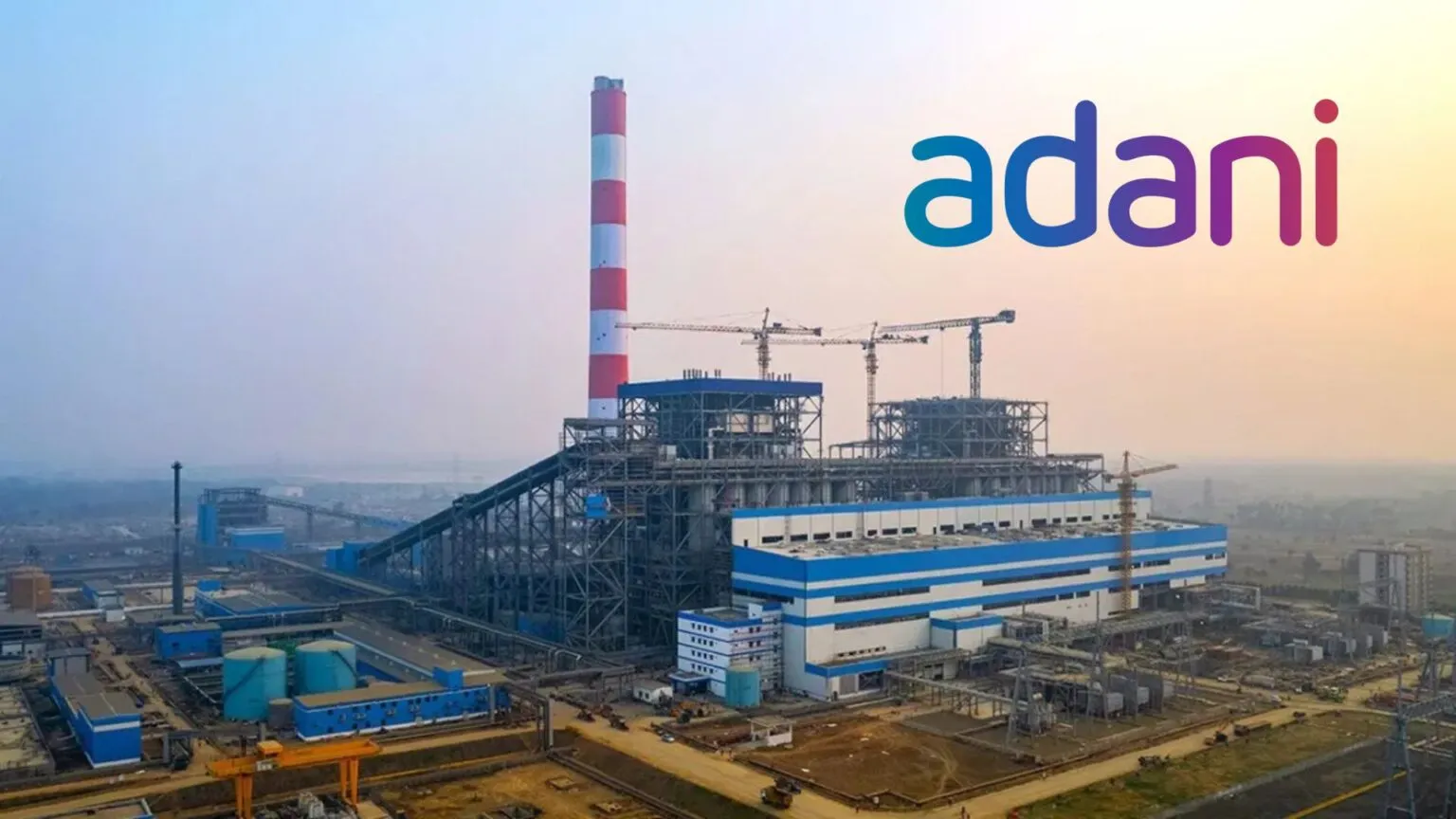
A technical failure at the Adani Power thermal facility in Jharkhand has exacerbated Bangladesh’s ongoing energy crisis. The plant, primarily responsible for supplying electricity to Bangladesh, reportedly encountered a boiler problem that necessitated the shutdown of one of its two units. As a result, the country’s power supply is likely to face disruption for several days, according to officials from Bangladesh.

According to a report from Dhaka’s The Daily Star, the incident occurred late on Thursday, happening just as the plant was beginning to increase its electricity generation after a period of reduced output due to coal transportation issues. The 800 MW unit that tripped effectively halved the operational capacity of the entire 1,600 MW Godda plant, further straining the electricity supply to Bangladesh.

Data from Power Grid Bangladesh revealed that the total generation from the Godda plant had exceeded 1,400 MW on Thursday night before the unit failed. Following the outage, power delivery to Bangladesh plummeted to below 750 MW, highlighting the severity of the situation.

Bangladesh’s Current Energy Shortage

Bangladesh’s energy crisis is marked by severe shortfalls despite an installed power generation capacity of over 30,000 MW. As reported by Power Grid Bangladesh, the nation produced only between 13,000 and 15,000 MW on Friday, which falls significantly short of the demand exceeding 16,000 MW. This gap illustrates the magnitude of the ongoing power crisis.

Contributing factors to this energy shortfall include a significant natural gas supply shortage. Currently, over 40 per cent of Bangladesh’s power generation capacity—approximately 12,472 MW—relies on gas-powered plants. However, these facilities produced only around 4,700 to 5,100 MW on Friday due to a lack of adequate natural gas supply. Estimates indicate that the country’s power sector requires over 1 billion cubic feet of gas daily but only manages to receive around 700 million cubic feet.

Additionally, coal and oil-fired power plants are operating below capacity, hampered by supply disruptions and technical complications. A further complication arose when electricity imports from Nepal were suspended on August 28 due to floods damaging hydropower infrastructure. This has compounded the issues facing Bangladesh’s energy landscape.

Impact on Daily Life in Bangladesh

The consequences of the electricity shortfall have been felt in Bangladesh, prompting widespread disruption in daily life. In response to the crisis, the government implemented measures such as requiring shopping malls and markets to close by 8 pm to conserve electricity. Regions such as Mymensingh, Barishal, Rangpur, Sylhet, Rajshahi, and Khulna have reported power outages lasting between three to ten hours daily.

Residents across various districts have voiced their frustrations concerning the prolonged outages and inadequate power supply, leading to public protests. The combined effect of the outage at the Godda power plant and the multiple underlying issues in the energy sector has widened the existing electricity deficit, which currently stands at approximately 2,500 MW.

As Bangladesh grapples with its worsening energy situation, officials from the Bangladesh Power Development Board have stated that repairs at the Adani unit are anticipated to commence after 48 hours, with further restoration requiring additional time. The impact of this situation highlights the vulnerabilities in Bangladesh’s energy infrastructure and its reliance on external sources for stability.

Long or Short, get news the way you like. No ads. No redirections. Download Newspin and Stay Alert, The CSR Journal Mobile app, for fast, crisp, clean updates!

App Store –  https://apps.apple.com/in/app/newspin/id6746449540 

Google Play Store – https://play.google.com/store/apps/details?id=com.inventifweb.newspin&pcampaignid=web_share

Latest News

Popular Videos
