


Iran Closes Strait of Hormuz Again Due to US Naval Blockade
The CSR Journal Magazine

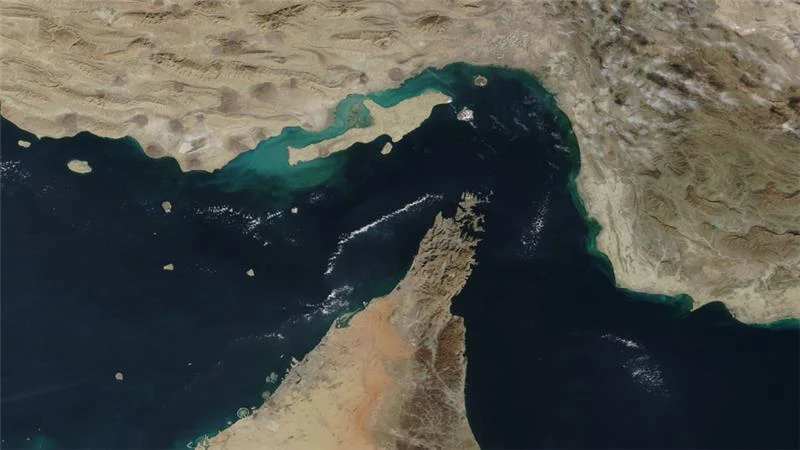
Iran has once more decided to close the Strait of Hormuz, a vital passage for global oil transportation, following ongoing tensions related to a blockade imposed by the United States on its ports. The Iranian military stated that the control over this crucial waterway has reverted to its earlier state after certain incidents involving Iranian gunboats firing upon a tanker attempting to navigate the strait.

This closure was implemented shortly after the strait had been reopened, during which several commercial vessels successfully traversed the area. This sequence of events unfolded following a 10-day ceasefire agreement mediated by the United States between Israel and Lebanon, which had raised hopes for a more stable environment in the region.

The Iranian military’s announcement positions the closing as a direct response to what it categorises as “piracy and maritime theft” by the U.S. The situation appears to underscore Iran’s assertion of its rights over the strait, asserting that its armed forces are in strict control of the maritime route.

Increasing Tensions and International Shipping Impacts

Reports indicated that by 10:30 GMT on Saturday, at least eight oil and gas tankers had entered the strait. However, a comparable number of vessels reportedly altered their course and departed back towards the Gulf, reflecting the uncertainty caused by the fluctuating status of navigation through this channel. The ongoing confusion around the changeable conditions around the Strait of Hormuz may have contributed to these hesitations among shipping operators.

President Donald Trump had expressed optimism regarding potential peace negotiations the day before this latest closure in a statement concerning the U.S.-Israel conflict with Iran. He celebrated the reopening of the strait but simultaneously warned that hostilities would resume unless Iran agreed to specific terms related to its nuclear programme.

Trump noted, “Maybe I won’t extend it,” referring to a temporary ceasefire arrangement, while indicating possible renewed military action against Iran. His remarks suggested that the ongoing instability around the strait was influenced by broader geopolitical negotiations.

Challenges to Maritime Activities and Uncertain Negotiations

Iran has alleged that a date for further peace talks has not been finalised, asserting that the U.S. has undermined diplomatic efforts at each stage. This has raised concerns about the viability of any potential agreements moving forward. The dynamic nature of the situation has left many shipping companies reluctant to proceed through the strait, with maritime experts indicating that the conflicting information from various parties has made the situation particularly precarious.

Maritime shipping specialist John-Paul Rodrigue observed that multiple vessels had attempted to transit the strait since the announcement but many had turned back due to the ambiguous circumstances. This hesitancy highlights the overall turbulence surrounding international shipping in the area.

In his reporting from Tehran, Al Jazeera correspondent Tohid Asadi noted a prevailing sense of uncertainty regarding the Strait of Hormuz. He emphasised the need for Iran to seek a lasting resolution to the ongoing regional conflict, including security guarantees and sanctions relief, alongside addressing complex issues like the nuclear dossier and Iran’s enriched uranium stockpile. Asadi remarked that this uncertainty complicates the prospect of forthcoming negotiations.

Long or Short, get news the way you like. No ads. No redirections. Download Newspin and Stay Alert, The CSR Journal Mobile app, for fast, crisp, clean updates!

App Store –  https://apps.apple.com/in/app/newspin/id6746449540 

Google Play Store – https://play.google.com/store/apps/details?id=com.inventifweb.newspin&pcampaignid=web_share

Latest News

Popular Videos
