


Iran Allegedly Utilises AI Tools for Cyber Warfare Against US and Israel
The CSR Journal Magazine

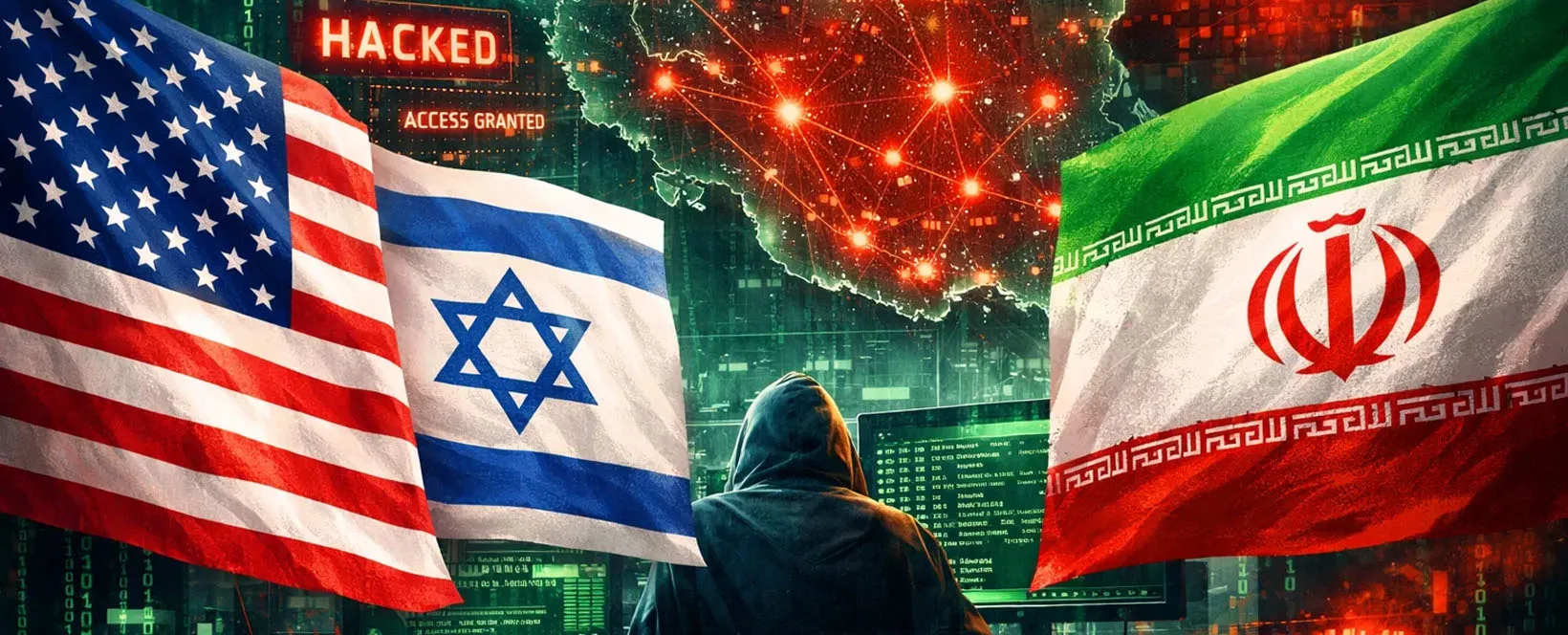
Reports indicate that Iran is increasingly relying on Western artificial intelligence models, such as ChatGPT and Gemini, to bolster its cyber capabilities and disinformation campaigns. Amid strained negotiations with Washington and ongoing sanctions from the US, Iranian hackers are reportedly employing these advanced tools to develop malware and craft phishing messages targeting individuals in the United States and Israel.

The Financial Times outlines that Iranian cyber operators are generating artificial identities through AI, with the intention of fostering trust with their targets. These operators engage in deceptive conversations under false personas, which allegedly encourages victims to lower their defences prior to receiving malicious requests or links.

Israel has reportedly experienced a rise in targeted phishing attacks, which include unsolicited emails and text messages inviting recipients to collaborate with Iranian intelligence. Such tactics raise concern regarding the sophistication of these cyber threats.

Technological Responses and Ongoing Challenges

Major technology companies are reportedly responding to the escalating threat posed by such cyber activities. Google is monitoring the activities of an Iranian state-linked group known as APT42, which was detected using its Gemini model for various research purposes, including analysis related to American military technology.

Despite ongoing efforts by tech firms to eliminate suspicious accounts and thwart misuse, the emergence of new tactics and accounts continues to complicate the landscape. As cyber threats evolve, technology companies face increased pressure to innovate their protective measures.

Iran’s approach to AI reportedly extends beyond phishing, incorporating strategies designed for electronic warfare and battlefield optimisation. The Islamic Revolutionary Guard Corps (IRGC) has claimed that certain cruise missiles incorporate AI-enhanced navigation and electronic warfare evasion capabilities, signifying a shift in military applications of these technologies.

AI’s Role in Propaganda and Information Warfare

Beyond cyberattacks, AI has emerged as a significant asset in Iran’s online influence initiatives. Reports suggest that state-affiliated accounts regularly utilise AI-generated content to disseminate narratives that support the Iranian government and challenge its adversaries, including the US.

In April, YouTube banned a channel named Explosive Media for allegedly employing AI-generated videos aimed at mocking former President Donald Trump and promoting pro-Iran narratives. This incident highlights the weaponisation of AI in shaping public perception and influencing discourse.

Furthermore, Iran has been constructing its own AI ecosystem, predominantly utilising open-source and locally developed models. This infrastructure is reportedly hosted on closed networks, thereby reducing external oversight and scrutiny. Concurrently, the country has targeted American technology companies, viewing them as potential adversaries in retaliation for perceived aggression on Iranian soil.

In March, the IRGC expanded its focus to include major US cloud providers, labelling them as “legitimate targets” due to their alleged support for US and Israeli military intelligence operations. This includes drone strikes against data centres operated by Amazon Web Services in the UAE and Bahrain earlier in April, reflecting the broader implications of Iran’s strategic developments in AI and cyber warfare.

Long or Short, get news the way you like. No ads. No redirections. Download Newspin and Stay Alert, The CSR Journal Mobile app, for fast, crisp, clean updates!

App Store –  https://apps.apple.com/in/app/newspin/id6746449540 

Google Play Store – https://play.google.com/store/apps/details?id=com.inventifweb.newspin&pcampaignid=web_share

Latest News

Popular Videos
