


India Releases NFHS-6 Indicating Progress in Child Nutrition and Rising Lifestyle Diseases
The CSR Journal Magazine

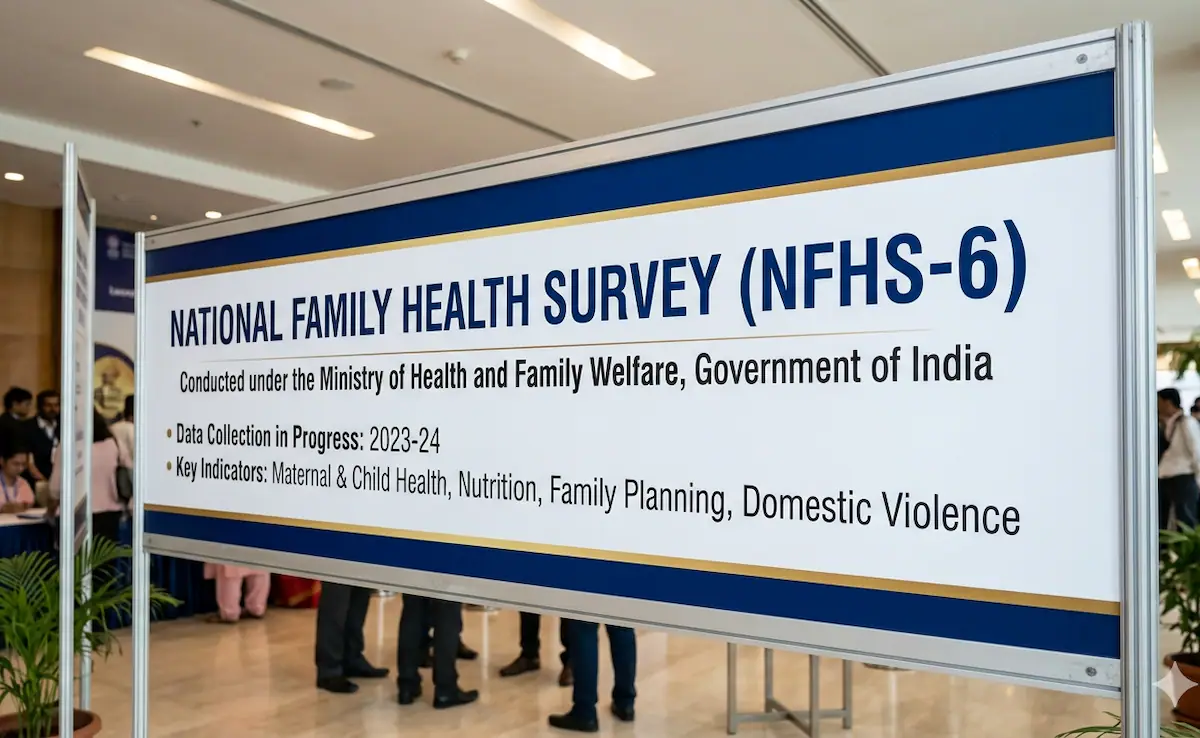
India has made notable advancements in various aspects of maternal health and child nutrition, as highlighted in the National Family Health Survey-6 (NFHS-6), which was published by the Union Health Ministry. The survey revealed encouraging trends, particularly in the rates of child stunting and severe wasting in children under five years. Specifically, child stunting has decreased from 35.5 per cent to 29.3 per cent, and severe wasting has fallen from 7.7 per cent to 5.2 per cent between the previous and current assessments.

Furthermore, the report states that full immunisation coverage for children aged 12 to 23 months has increased, rising from 83.8 per cent to 87.1 per cent. This improvement reflects a concerted effort to enhance vaccination rates among young populations, contributing to better overall health outcomes for children across the country.

In addition to child nutrition, institutional deliveries also saw significant improvement, climbing to 90.6 per cent. This indicates a growing number of women choosing to give birth in medical facilities, thus reducing risks associated with home births and improving maternal and infant health indicators.

Progress in Maternal Healthcare Indicators

The findings from NFHS-6 also showcase positive strides in maternal healthcare. Antenatal care coverage has reached 95.9 per cent, ensuring that a majority of pregnant women are receiving necessary medical attention during their pregnancies. Enhanced maternal healthcare is crucial for the health of both mothers and their children.

Moreover, the report highlighted an increase in the number of women receiving iron and folic acid supplements during pregnancy, which are vital for preventing anaemia and ensuring proper fetal development. These healthcare initiatives are showing tangible benefits in improving maternal health outcomes across India.

Financial protection for households has expanded significantly, with health insurance coverage rising from 41 per cent to 60.2 per cent. This shift indicates a broader acceptance and utilisation of financial schemes such as Ayushman Bharat-PMJAY, which aims to provide accessible healthcare for all residents. Improved health insurance is a critical factor in enabling households to manage medical expenses more effectively.

Challenges with Rising Lifestyle Diseases

The findings suggest that lifestyle-related health risks are emerging as pressing public health challenges that could undermine the progress made in child health and nutrition. There is a growing need for comprehensive strategies aimed at promoting balanced nutrition and encouraging healthy lifestyle practices among all age groups.

As India continues to navigate these complex public health landscapes, addressing the issues of obesity and chronic diseases will be essential for sustaining long-term improvements in health outcomes. Policymakers and health organisations must prioritise initiatives that bridge the existing gaps in nutrition and lifestyle management to secure better health futures for residents.

Long or Short, get news the way you like. No ads. No redirections. Download Newspin and Stay Alert, The CSR Journal Mobile app, for fast, crisp, clean updates!

App Store –  https://apps.apple.com/in/app/newspin/id6746449540 

Google Play Store – https://play.google.com/store/apps/details?id=com.inventifweb.newspin&pcampaignid=web_share

Latest News

Popular Videos
