


India Grapples With Rising Obesity and Diabetes Despite Nutritional Progress
The CSR Journal Magazine

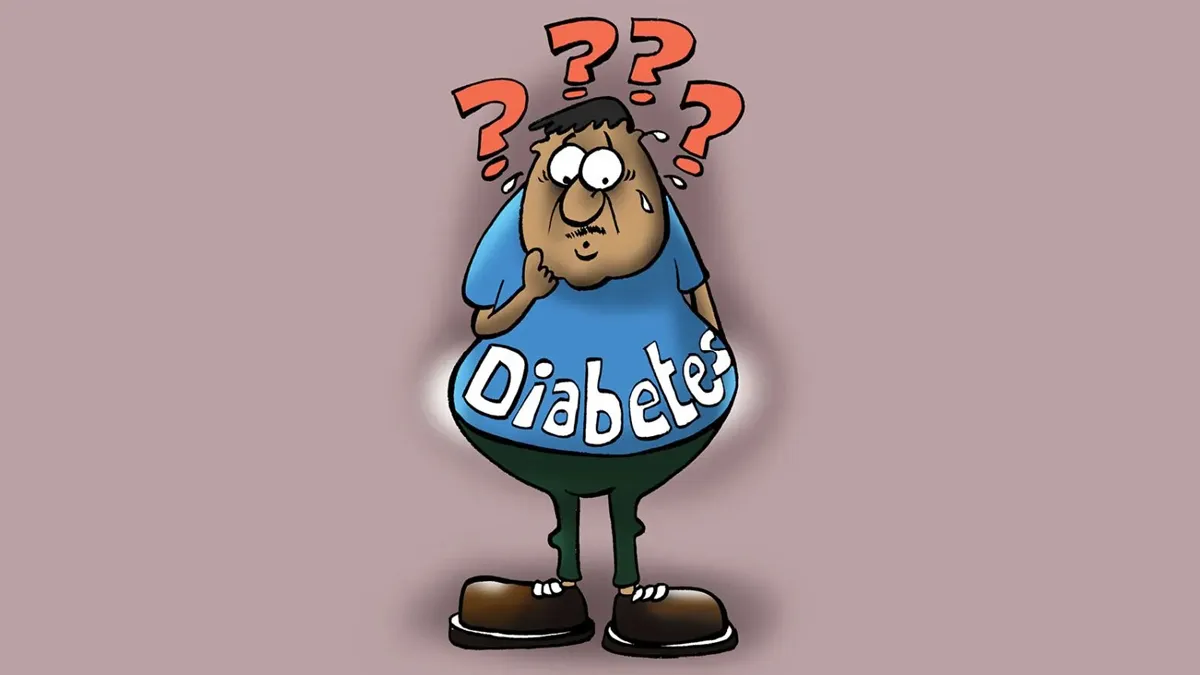
India is currently grappling with a significant increase in obesity and diabetes rates, even as the nation has made strides in improving nutrition. Recent statistics reveal that a growing number of individuals are classified as obese, with an alarming rise in diabetes cases across various demographics. This paradox highlights the complex interplay between improved access to food and the consequent impact on public health.

The National Family Health Survey (NFHS) has indicated that the prevalence of obesity in adults has increased from approximately 11 per cent in 2015-16 to about 14 per cent in 2019-20. This shift poses new challenges to the health infrastructure of the country, necessitating urgent attention from policymakers and healthcare professionals alike. The crisis is not limited to urban areas, as rural regions are also witnessing a surge in obesity rates.

Impact of Modern Lifestyles on Health

Modern lifestyle changes, including sedentary habits and an increase in consumption of high-calorie, processed foods, have been significant contributors to this health crisis. Urbanisation has led to alterations in diet, often favouring convenience over nutrition. The widespread availability of fast food and sugary beverages plays a crucial role in the changing eating habits of both adults and children, further exacerbating the obesity epidemic.

Healthcare experts emphasise that educational initiatives on healthy eating and lifestyle modifications are crucial in combating these trends. Despite some progress in increasing awareness about nutrition, the message has not yet been broadly adopted by the populace. The need for widespread health education is evident, particularly in regions where traditional lifestyles are being replaced by modern practices.

The rise in obesity is closely linked to an increased incidence of Type 2 diabetes. Reports indicate that the number of people diagnosed with diabetes has risen dramatically. By 2021, estimates suggested around 77 million adults in India were living with diabetes, a figure projected to rise further if preventative measures are not enacted. This alarming trend underscores the necessity for immediate public health responses to address rising chronic disease rates.

Government Initiatives and Public Response

The Indian government has recognised the urgent need to address the rising rates of obesity and diabetes. Multiple initiatives have been launched to promote healthier lifestyles, including campaigns to encourage regular physical activity and better dietary choices. The Fit India Movement, for example, aims to inspire individuals to adopt fitness as a routine part of their lives through sports and personalised fitness plans.

Despite these initiatives, the public response has been mixed. While some communities have embraced fitness activities and healthier eating habits, others remain resistant due to various cultural and economic factors. Access to affordable, nutritious foods remains a barrier for many, particularly in low-income areas where fast food options are more prevalent than healthy alternatives.

Challenges persist in ensuring equitable access to health resources. Health organisations are advocating for government policies that promote both physical activity and nutrition education in schools and communities. Strategies integrating these elements into public health initiatives may facilitate a broader change in lifestyle practices, thereby addressing the rising epidemic of obesity and diabetes in India.

Long or Short, get news the way you like. No ads. No redirections. Download Newspin and Stay Alert, The CSR Journal Mobile app, for fast, crisp, clean updates!

App Store –  https://apps.apple.com/in/app/newspin/id6746449540 

Google Play Store – https://play.google.com/store/apps/details?id=com.inventifweb.newspin&pcampaignid=web_share

Latest News

Popular Videos
