


Global Oil Prices Drop Over 13% as U.S. Delays Military Action on Iran, Easing Supply Fears
The CSR Journal Magazine

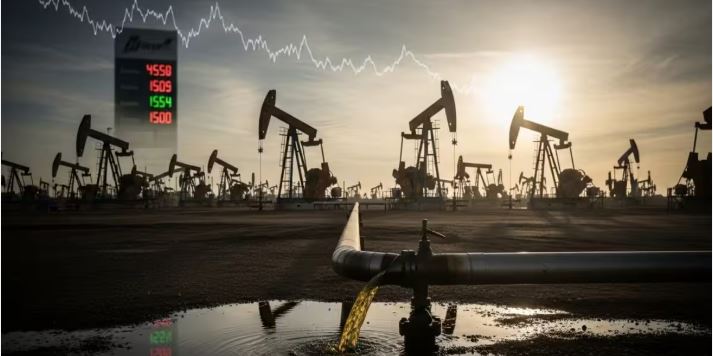
Global oil prices have experienced a notable decline, dropping more than 13% after a decision by former U.S. President Donald Trump to delay military strikes targeting Iran’s energy sector. The announcement has led to a significant shift in market sentiment, easing concerns over potential supply disruptions that could have arisen from military engagement in the region.

Details of the Postponement

Trump’s statement indicated that military actions originally intended to disrupt Iranian energy infrastructure would not proceed at this time. This development has tempered fears among investors, who had anticipated that any escalation in conflict would lead to volatility in oil supply and price spikes. The previous week saw oil prices climb in anticipation of military conflict, which has now reversed following the new information.

Impact on Oil Markets

The immediate impact of this decision has been evident across global oil markets, with significant price corrections occurring shortly after the announcement. Analysts have noted that the market’s reaction is a direct reflection of the reduced risk of abrupt supply closures in the Middle Eastern oil supply chain, which is crucial to global energy needs.

Trends in Oil Pricing

Prior to the announcement, oil prices had surged due to heightened geopolitical tensions and fears of military action. The recent downturn represents one of the most substantial daily declines in oil pricing in recent months, highlighting the volatility associated with geopolitical developments. Oil prices are closely monitored as they are a major determinant for global economies, influencing fuel costs and transportation expenses.

Future Market Considerations

Industry experts are now closely observing the geopolitical landscape to assess future oil price trends. The delay in military action could lead to a stabilization of prices, but uncertainties remain regarding Iran’s ongoing nuclear activities and the U.S.’s response to these developments. Investors will continue to evaluate the situation, balancing between geopolitical risks and economic factors that influence oil supply and demand.

Broader Economic Implications

The fluctuations in oil prices are anticipated to have broader implications beyond just the energy sector. Reduced prices may ease costs for consumers, but they also raise concerns for oil-exporting nations, which depend heavily on stable oil revenues. The interconnected nature of global markets means that these changes may also affect stock markets and commodity trading, highlighting the economic ripple effects stemming from geopolitical tensions in oil-rich regions.

Looking Ahead

As the situation continues to evolve, both investors and analysts remain vigilant for any further developments. The postponement of military strikes has provided temporary relief in oil pricing, but ongoing issues related to Iran’s geopolitical stance and its implications for regional stability will continue to be critical factors for market participants. The next steps taken by the U.S. and Iran will likely serve as pivotal points for oil prices in the upcoming weeks.

Long or Short, get news the way you like. No ads. No redirections. Download Newspin and Stay Alert, The CSR Journal Mobile app, for fast, crisp, clean updates!

App Store –  https://apps.apple.com/in/app/newspin/id6746449540 

Google Play Store – https://play.google.com/store/apps/details?id=com.inventifweb.newspin&pcampaignid=web_share

Latest News

Popular Videos
