


Former IPS Officer Anju Gupta Examines The Geopolitical Roots Of Modern Terrorism
The CSR Journal Magazine

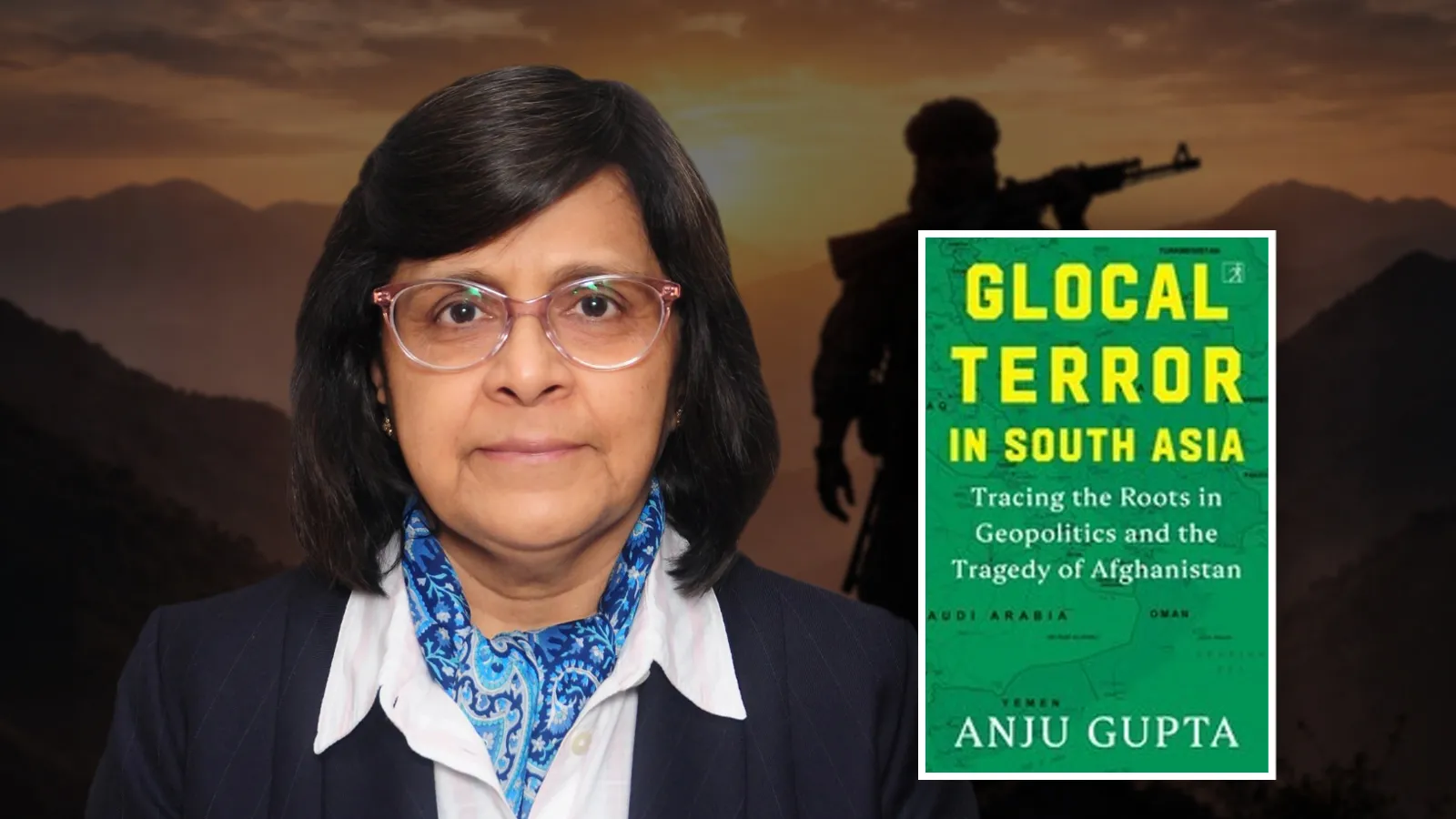
The latest episode of Booked features a comprehensive exploration of the origins of modern terrorism, prompted by the insights of former IPS officer and strategic affairs specialist Anju Gupta. During the talk with Marya Shakil from India Today, Gupta delves into her latest publication, Glocal Terror in South Asia: Tracing the Roots in Geopolitics and the Tragedy of Afghanistan. The narrative questions whether terrorism emerged solely from ideological motivations or if it was significantly influenced by worldwide power dynamics.

Gupta utilises a variety of resources, including declassified intelligence reports and diplomatic documents, to illuminate the profound changes experienced in the last century—particularly resulting from the Soviet invasion of Afghanistan and the Cold War tensions between the United States and the Soviet Union. She asserts that decisions made during this transformative era significantly affected Afghanistan’s trajectory and, consequently, the broader security landscape of South Asia and the world.

The Role of Pakistan and Extremist Networks

The interview provides an in-depth analysis of Pakistan’s strategic choice to become the primary state opposing the Soviet Union under General Zia-ul-Haq. Gupta outlines how this decision aligned with both the nation’s internal political ambitions and its broader regional objectives. She proposes that this critical juncture not only solidified Pakistan’s role but also led to the establishment of connections that would later foster some of the world’s most infamous extremist factions.

Particularly noteworthy is a segment addressing the formation of Al-Qaeda. Gupta articulates how the Afghan Mujahideen movement developed, highlighting figures such as Abdullah Azzam, Osama bin Laden, and Ayman al-Zawahiri. The emergence of the concept of “global jihad” during this time is examined, along with distinctions made between local insurgencies and transnational extremist agendas, situating these within the relevant historical and geopolitical milieu.

Furthermore, Gupta discusses the long-term objectives of Pakistan and the ramifications of these developments on regional stability, including the emergence of the Taliban and its ongoing effects on security. Utilizing American declassified records, she elucidates how the U.S. analysed these shifts and what this documentation reveals regarding Pakistan’s perceived role.

Connecting Militant Activity to Major Terror Incidents

Throughout her discussion, Gupta stresses the importance of understanding terrorism through a wider geopolitical lens, advocating that it is vital to look beyond individual organisations to comprehend the international calculations that facilitated their emergence. Instead of viewing these historical events in isolation, she emphasises that they are interconnected parts of a broader continuum, the effects of which continue to influence global relations.

This intricate conversation serves as a crucial resource for those interested in geopolitics, security studies, and contemporary history. It offers an extensive examination of the factors that have shaped South Asia into one of the most strategically contested regions in the world today.

Long or Short, get news the way you like. No ads. No redirections. Download Newspin and Stay Alert, The CSR Journal Mobile app, for fast, crisp, clean updates!

App Store –  https://apps.apple.com/in/app/newspin/id6746449540 

Google Play Store – https://play.google.com/store/apps/details?id=com.inventifweb.newspin&pcampaignid=web_share

Latest News

Popular Videos
