


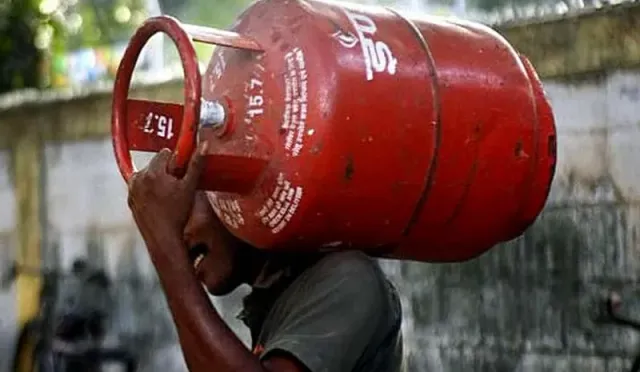

In a significant move, the price of domestic LPG has been raised by Rs 29 for a 14.2-kg cylinder. This marks the second increase in just three months, raising concerns among consumers already grappling with rising inflation. The latest adjustment takes effect immediately, leaving many households to reassess their monthly budgets as they navigate these new financial pressures.
Impact on Households and Local Markets
This price hike is expected to have a ripple effect on families, especially those from lower-income segments, who rely heavily on subsidised LPG for cooking. The cost of living has been steadily rising, with many already struggling to manage their expenses. Experts suggest that this increase will not only affect household budgets but could also influence the prices of essential commodities across various markets.
Several families have started to consider alternatives due to these rising costs. The increased expenditure on LPG is pushing households to explore options such as wood or gas from setups less commonly relied on in urban areas. Businesses dependent on LPG for commercial cooking are also likely to face increased operational costs, which could, in turn, lead to higher prices for consumers.
Government’s Stand: Will There Be More Increases?
The government has yet to clarify whether further hikes are anticipated in the coming months. Representatives from the Ministry of Petroleum and Natural Gas maintain that the adjustments are necessary for balancing market pricing and sustaining the supply chain. However, there is growing pressure from various quarters to control these increases to shield consumers from further financial strain.
The Broader Economy: Fuel Prices and Inflation
This increase in LPG prices forms part of a wider pattern of rising fuel costs in the country. The persistent inflation rate has been a point of focus for both the government and citizens, with several sectors feeling its impact. Energy prices have previously shown volatility, and the recent LPG hike may reflect a broader trend concerning energy and fuel in India’s economy.
Experts argue that sustained increases in fuel prices can deter economic recovery efforts and strain the pockets of everyday citizens. Additionally, many households have been forced to reduce their consumption or adjust their cooking habits in response to soaring costs. As inflation persists, the government faces growing challenges in managing public dissatisfaction over rising living costs.
Next Steps: Monitoring Prices Closely
The government is urged to closely monitor LPG pricing and consider consumer welfare when making future decisions. Citizens and industry representatives are calling for transparency in pricing mechanisms to help them gauge potential future costs. They also highlight the need for more substantial support for lower-income households, who feel the weight of these increases the most.
The government can take further steps to ensure that fuel prices do not spiral out of control. Strategic interventions could include subsidies or financial aid for those most affected. With the ongoing economic challenges, timely action may be crucial in alleviating some of the burdens faced by citizens as they cope with rising living expenses.
As India moves forward, the repercussions of this LPG price hike will be watched closely. With households feeling the pinch, the need for accountability and responsiveness from authorities may never have been more vital in ensuring economic stability.
domestic-lpg-price-hike-june-2026