


Delhi’s India Gate Faces Significant Littering Issue
The CSR Journal Magazine

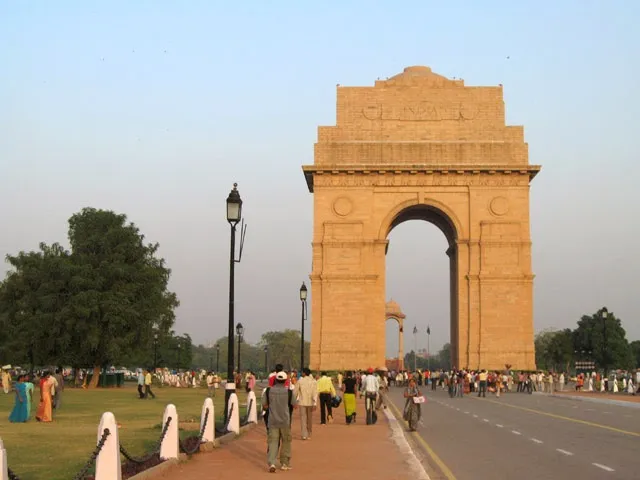
The recent video shared by Delhi resident Aashish Grover has drawn attention to the litter problem surrounding India Gate, a prominent landmark in the city. During his visit, Grover filmed discarded bottles, wrappers, and other refuse littering the area, provoking public discourse about the cleanliness of public spaces. The video opens with Grover expressing his astonishment at the state of the surroundings as he captures footage of trash strewn across the vicinity.

In his narration, Grover questions how a location of such significance could present itself in this manner. He remarks, “Guess where I’ve come, to India Gate,” while guiding the camera towards various spots noticeably affected by litter. His commentary sheds light on the disparity between the monument’s revered status and the unsightly conditions surrounding it, prompting viewers to reflect on the responsibilities associated with maintaining shared spaces.

Visitor Footfall and Waste Accumulation

India Gate is known for its heavy foot traffic, attracting tourists and locals alike throughout the year. The area experiences a surge in visitors, especially during weekends and evenings, when families and groups congregate around the historic site and its gardens. This influx of people inevitably leads to an increase in waste generation. Without proper disposal measures or timely cleaning interventions, the area may struggle to maintain its integrity and cleanliness.

The accumulation of garbage in such a significant landmark raises questions regarding public behaviour and municipal responsibility. As visitors enjoy the historical and cultural significance of India Gate, the importance of responsible waste management emerges as a critical factor in preserving the site’s aesthetic appeal. The video’s dissemination has sparked discussions about accountability in maintaining cleanliness in public spaces.

As dialogue continues online, some users have voiced concerns regarding the inadequacies in the upkeep of the area, while others have highlighted that individual visitors bear an essential responsibility to ensure the cleanliness of communal environments. This dual perspective fosters a richer understanding of the issue, emphasising that sustaining the hygiene of public landmarks requires collective effort.

Challenges in Preserving Public Spaces

The footage shared by Grover poses a pressing question: if an iconic site like India Gate can be subjected to litter, what does this indicate about public attitudes toward shared spaces? The phenomenon highlights underlying issues within urban maintenance and community involvement. Prominent landmarks like India Gate are not only symbols of national pride, but also serve as communal areas that demand respect and care from all who visit.

The video’s impact has resonated with many viewers, pushing the conversation on how littering affects public perception and engagement in communal upkeep. It has become a focal point for discussions about civic responsibilities and the role citizens play in ensuring public areas remain clean and welcoming.

Efforts to maintain cleanliness in bustling areas like India Gate hinge on effective crowd management and public awareness campaigns to reinforce responsible waste disposal. As cities expand and populations grow, fostering a culture of cleanliness in public spaces becomes increasingly vital, necessitating joint initiatives from both municipal authorities and the public.

Long or Short, get news the way you like. No ads. No redirections. Download Newspin and Stay Alert, The CSR Journal Mobile app, for fast, crisp, clean updates!

App Store –  https://apps.apple.com/in/app/newspin/id6746449540 

Google Play Store – https://play.google.com/store/apps/details?id=com.inventifweb.newspin&pcampaignid=web_share

Latest News

Popular Videos
